
Blink and you’ll miss it

Image Courtesy: Girls Life
There is an undeniable thrill in watching scattered pieces of a puzzle fall into place, suddenly forming a big picture you did not see before. For fans of film and music alike, Easter eggs are clues about an album release, an upcoming movie, or the introduction of a new character. Usually seen in franchises or series, fandoms rely on Easter eggs to complete their own version of a puzzle. This not only brings together a community with a shared interest, but also one with the same goal. The endgame is to discover the connections between the clues.
Easter eggs, as we know them in pop culture, are intentional details or clues creators hide. Whether it's a reference only a die-hard comic fan could understand or a simple ode to a previous theme in an album, fans interpret and dissect Easter eggs. The term itself is borrowed from the age-old tradition of hiding eggs on Easter for children to find, but its history stems from when an Atari programmer, Warren Robinett, secretly hid his name inside a hidden room of the game Adventure, in protest of them refusing developer credits. From then on, the concept spread into film and TV, most notably through DVD bonus scenes and alternate endings in the 90s.

Image Courtesy: DVD Database
Marvel introduced the post-credit scene in Iron Man, using it as a continuation or sneak peek at what’s next. This notion of staying until the post-credit scene to get a glimpse of what is next in the Marvel Cinematic Universe and which comics or other storylines they might be exploring turned a bonus scene into a ritual that audiences now expect. Moreover, Star Wars followed a similar playbook, tucking in references to future projects as well as throwaway lines fans later confirmed as canon. Musicians caught on to this just as fast; ever since her Reputation rebrand, Taylor Swift’s album rollouts have turned outfit colors, caption punctuation, and even nail polish into signals. Similarly, before Kendrick Lamar released Mr. Morale & the Big Steppers, he ran a website filled with vague symbols and countdowns. Fans poured time out of their days to dissect the numbers, colors, and tweets that came alongside them for any meaning or glimpse into the album’s vibes. None of this works, though, without fans willing to do the digging. Studios can plant all the clues they want, but the real question is: why can’t audiences help but go looking for them?

Image Courtesy: Facebook
The answer is simple. Easter eggs make audiences participants in releases or what’s coming next. If you are the first to make this discovery, you get your own small reward, knowing that you drew attention from others in your same fandom to indulge in the theories behind what you discovered. Fan theorizing then becomes a shared act, one you can spend hours on in comment sections, Discord chats, and even real life. However, that collective imagination can sometimes come with a cost. When a fandom spends hours dissecting shows for easter eggs or any clue they can find, they build theories that can feel more emotionally thrilling and satisfying than some creators could ever deliver. This is exactly what happened with the Stranger Things finale. Years of scattered clues, and even in the first part released of the final season, fueled fan theories so elaborate that the “unfinished” finale fell short.
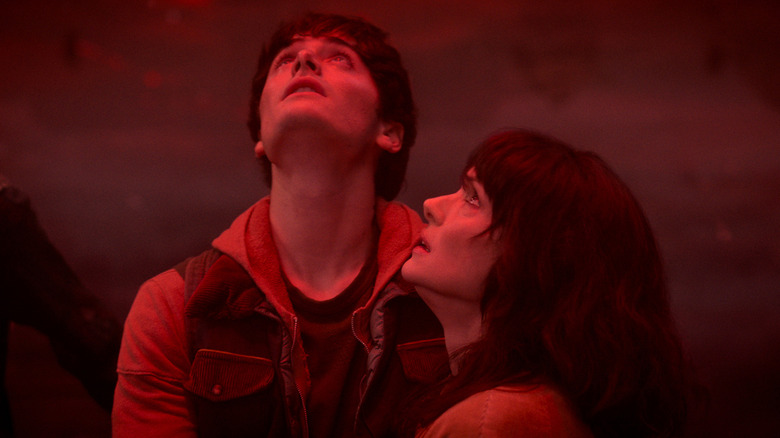
Image Courtesy: TVLine
Stranger Things did not fail to stick the landing. The Duffer Brothers lost a competition they didn't know they were in against a passionate fandom’s imagination. Maybe that’s the real punchline of easter egg culture: the clues were never the hard part. Living up to them is.
Strike Out,
Writer: Maria Carrillo
Editor: Abby Marshall
Graphic Designer:
Tallahassee