
Dressing Wuthering Heights: An Ode to the Period, With Modern and Old
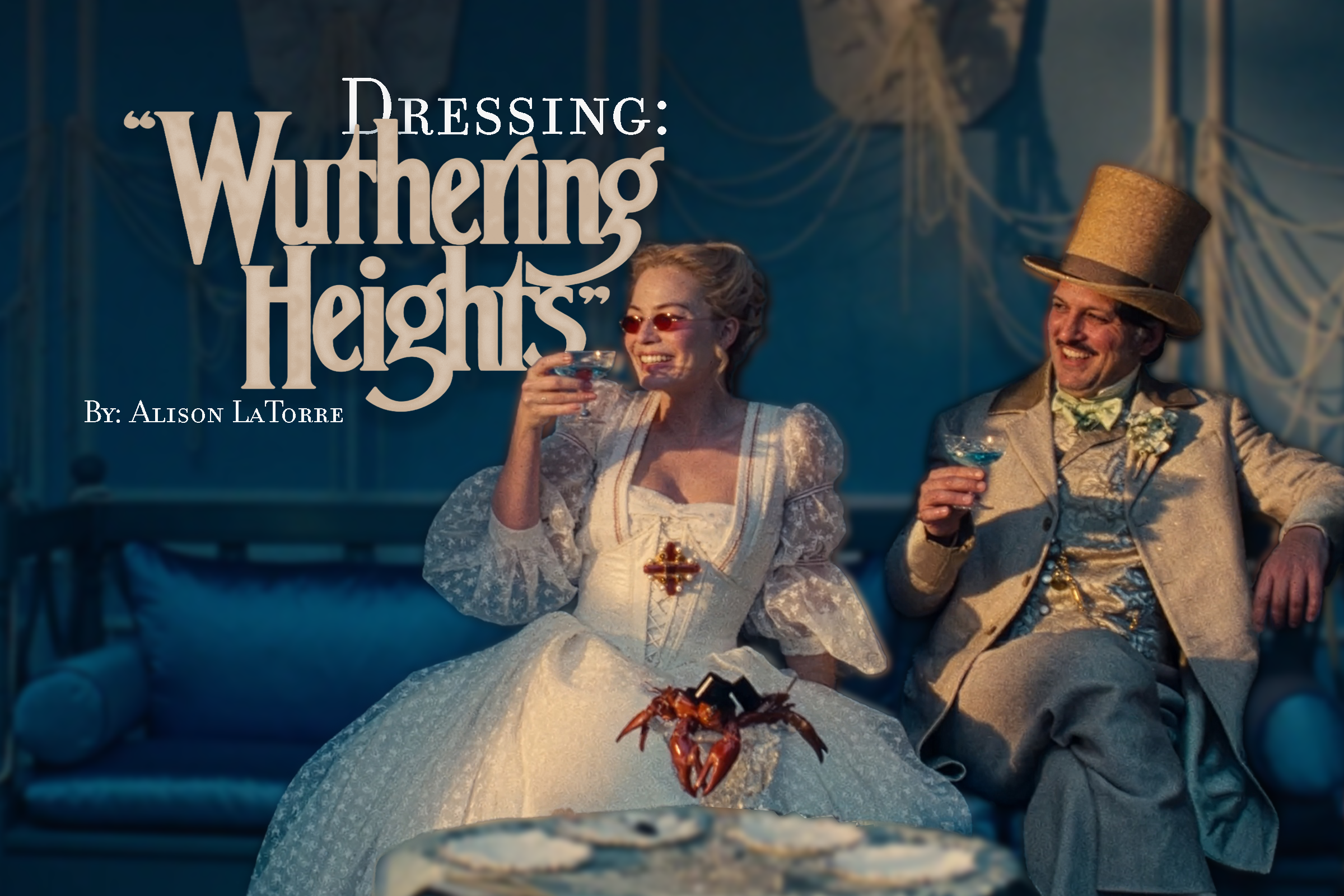
Image Courtesy: IMDB
Emily Brontë’s Wuthering Heights has long lived in the cultural imagination as a story of romance, obsession, and emotional ruin set against the wild isolation of the moors. In Emerald Fennell’s latest adaptation, that intensity is filtered through a hyper-stylized lens, where fashion plays just as central a role as the narrative. Costume designer Jacqueline Durran–whose resume includes Little Women, Pride & Prejudice, Barbie, and more–brings her ability to balance historical references with modern “fairy tales.” Since the trailer’s release, the film’s wardrobe, especially Cathy Earnshaw’s, played by Margot Robbie, has dominated online conversation, allowing costume design to become a focal point of the film’s buzz.
From the beginning, Durran and Fennell made it clear that this would not be a traditional period film. The costumes were never meant to be pinned to a specific era; instead, they existed as almost an “imagined version of a period costume.” The result is a fairy-tale atmosphere - romanticized, heightened, and intentionally untethered from historical accuracy. The film’s title was also intentionally placed in quotation marks, signaling that not every bit of this movie will be a direct interpretation of the novel, but a modern vision filtered through layers of reference, desire, and memory.
That vision centers most vividly on Cathy. She becomes almost like a projection: dramatic, excessive, and deeply self-aware. This concept allows the costumes to feel personal rather than historical, as though they exist in the space between modern imagination and fashion and period literature. Cathy’s costumes are nothing short of remarkable. Across the film, we can expect Robbie to wear between 45 and 50 looks, sometimes even changing every few minutes, according to Fennel. Her wardrobe is tightly controlled in palette–black, red, pink, and white only–reinforcing her emotional extremity. While many silhouettes can echo a Victorian era dress shape, the execution taken is unmistakably modern, creating a wardrobe that feels historical and new. The clothes do not simply dress Cathy, but they perform for her.
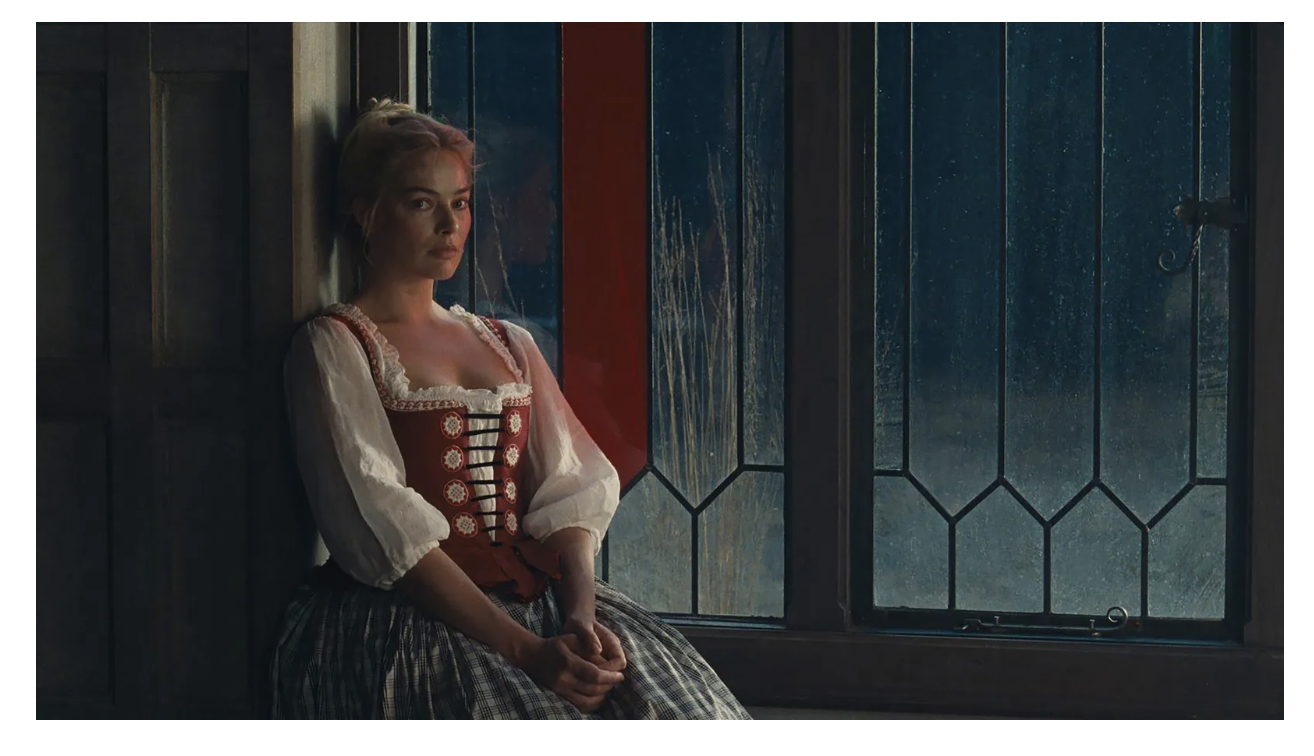
Image Courtesy: IMDB
Rather than committing to one historical moment, the film pulls freely from multiple. Elizabethan, Georgian, Tudor, and Victorian references appear alongside 1950s glamour and mid-century cinematic romance. Homages to Gone With The Wind, Empress of Austria (1955), and more weave through the designs, creating a visual language with depth. The milkmaid dress, seen in the trailer, nods to Old Hollywood and reinforces the film’s romantic touch.
Adding to the unreality of some costumes, there is an unexpected presence of high fashion. Vintage Mugler and McQueen appear throughout the film with fragments of vintage Chanel. Durran mentioned in an interview with Vogue that they had the opportunity to collaborate with Chanel’s Elsa Heitzmann to get different vintage jewelry and vintage pieces.
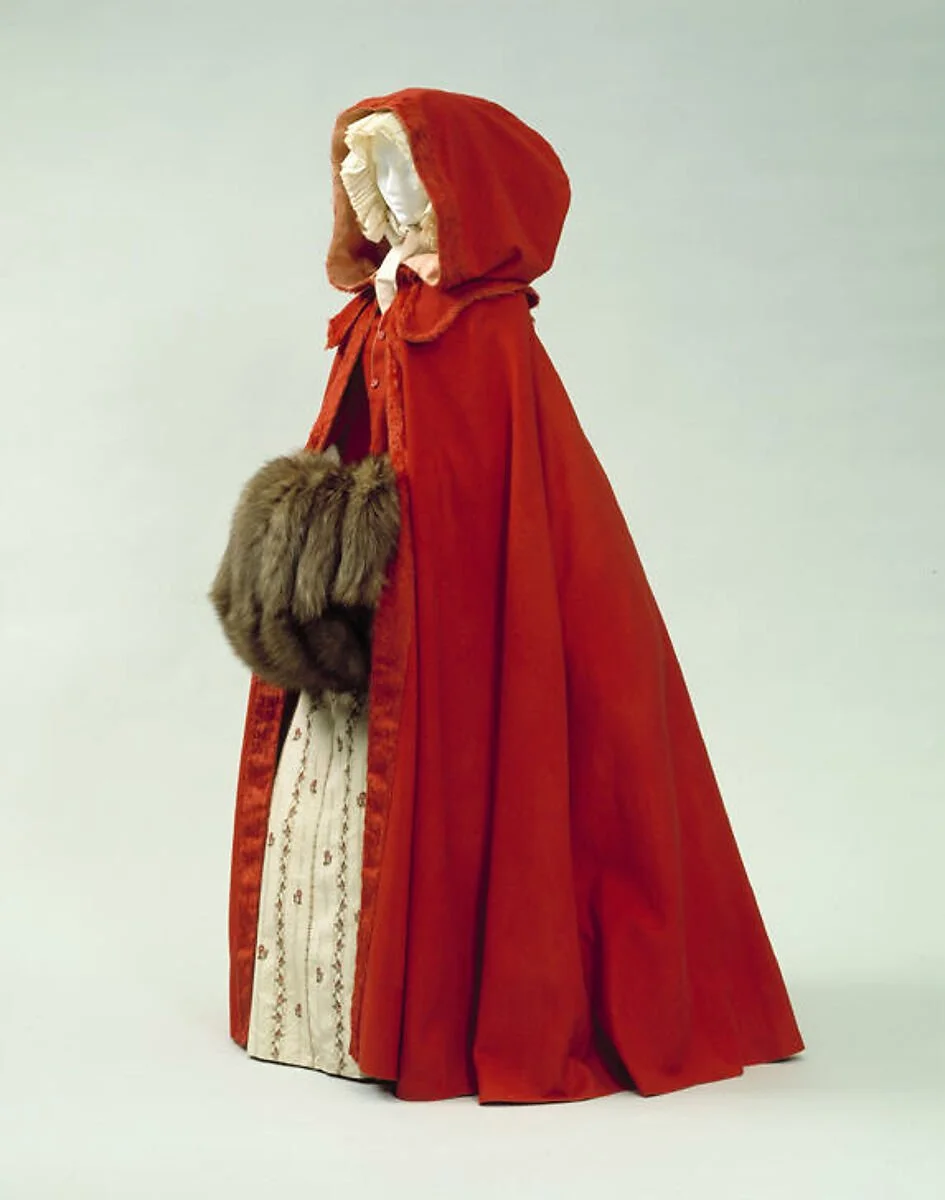
Image Courtesy: The Metropolitan Museum of Art
Despite the film’s undeniable modernity, certain elements remained historically grounded. Robbie can be seen in a beautiful red cape, inspired by 18th-century garments. The cape is dramatic, commanding, and flowing, and it embodies the heightened romance that defines the characters.
Ultimately, this adaptation resonates because it understands that most modern audiences are not seeking realism and historical accuracy, but emotion and drama. Through the process of blending vintage fashion, cinematic history, and fantasy, Durran and Fennell have created a world that seems unforgettable. It may not be what fans imagined as they read the novel, but it definitely gives us the modern drama, romance, and obsession a fan needs.
Strike Out,
Writer: Alison LaTorre
Editor: Abby Marshall
Graphic Designer: Ryan Hanak
Tallahassee