Feminism in History and Hairstyles
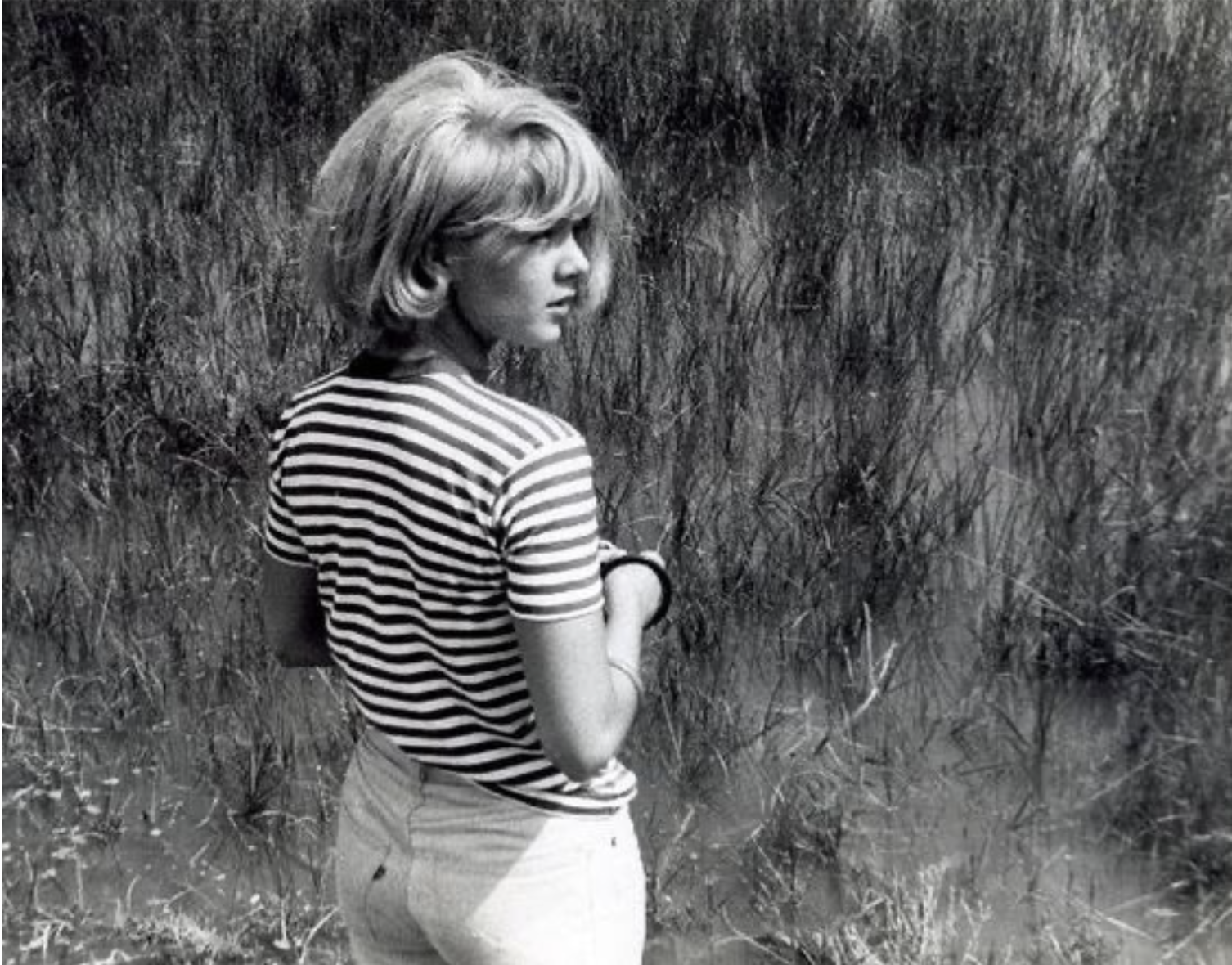
Image Courtesy: Pinterest
Who knew that going shorter would actually grow the feminist movement?
When exploring femininity outside of just appearance, the bob represented independence and autonomy. During the post-World War I era, many women found that cutting their hair was a way to express themselves without being defined by the standards of traditional feminine presentation.
Traditionally, femininity was seen in long hair and a soft demeanor. 1920s culture went against these expectations, liberating women by giving them new agency to explore less feminine traits.
The bob removed a certain physical attachment of a woman’s identity, such as their hair. This, in a way, freed women by dismissing the cultural norms of a male-centered society.
Though it still signifies how far we have come as a society and how we define ourselves as women has fundamentally changed, the bob is no longer seen as such an explicit protest of societal expectations but rather a new beginning or an impulsive decision after watching a TikTok video.
But of course, the bob isn’t the only hairstyle that holds a significant meaning behind it. Hairstyles can be worn as symbols—signifying religion, status, etc. The bob initially came about after World War I, as women began to break free from traditional gender roles.
During the same time period as the bob, the Eton crop became popular. While it was worn by many women, originating because of its perfect fit to a cloche hat (a popular hat worn in the 1920s and 30s), it played an especially large role in queer culture, being a widely used hairstyle by more masculine-presenting lesbians.
The afro was popularized in the 60s and 70s, representing rejection of European beauty standards, and was worn to showcase racial pride. During the civil rights movement, the Afro moved beyond the US, beginning racial movements across the globe.
The mohawk also stood as a symbol, for specific warriors of the Pawnee and Haudenosaunee tribes, it was a presentation of bravery and tribal protection.
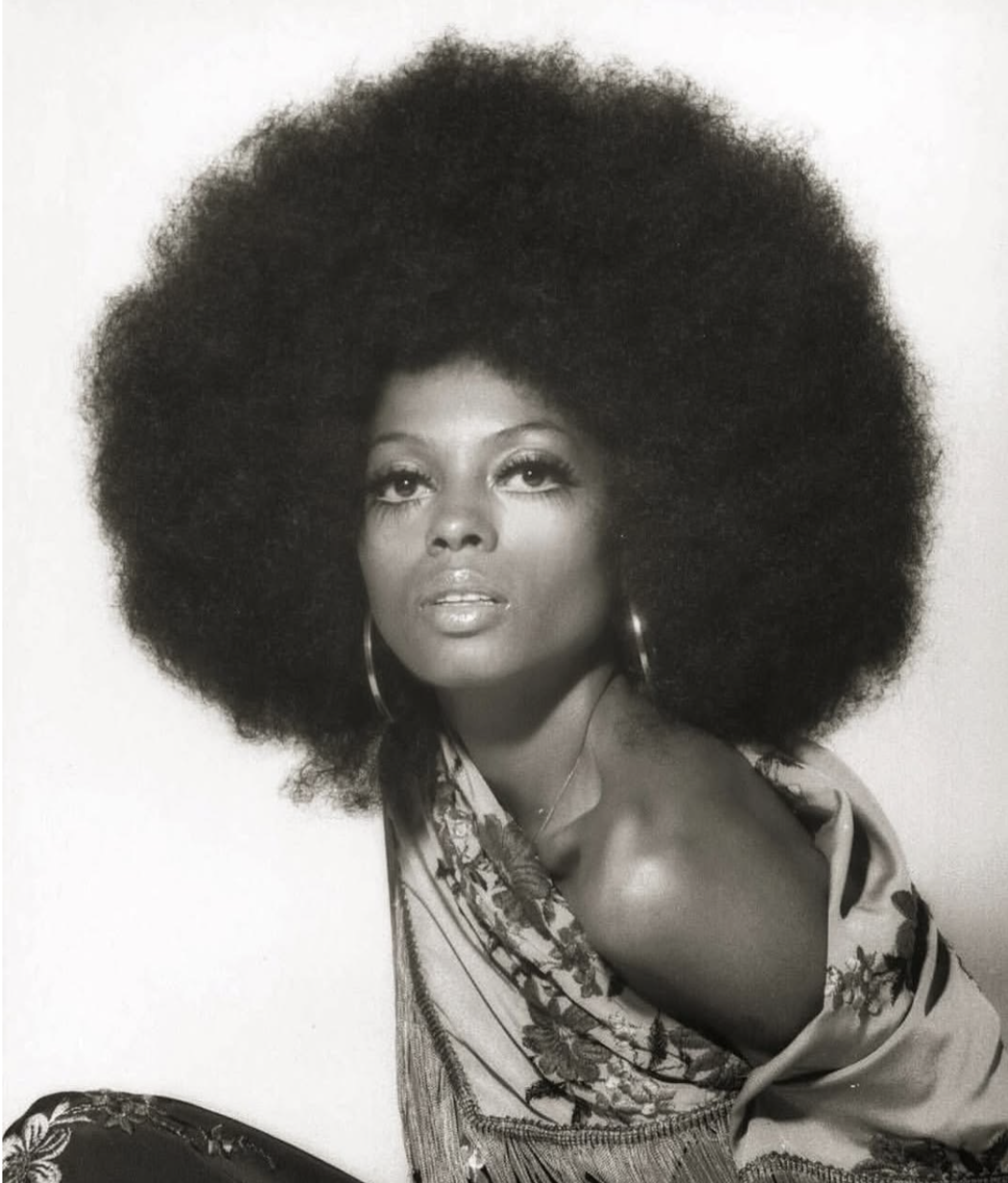
Source: Pinterest
Even beyond just hairstyles, it is fascinating to see how fashion can be used symbolically. Fashion semiotics studies how fashion acts as its own language, being spoken and perceived differently among individuals.
Fashion choices are interpreted differently based on who’s wearing it and who’s viewing it, and interpretation can even change based on culture and society.
Blue jeans, for instance, were originally used strictly as work clothes for blue-collar labor. Working-class men were the target audience. Over time, jeans became more marketed toward middle-class Americans and women as a result of jeans makers widening their market to increase profit.
Today, jeans are a practical, everyday pair of pants in American society. But in non-Western cultures, jeans may stand out as a symbol of Westernization.
Even within Western culture, different types of jeans have different meanings. Ripped jeans can signify rebellion and youth, meanwhile denim overalls carry a strong association with ranch life and manual labor.
While historically many fashion choices have been seen to represent or signify specific meanings, views are always evolving. The bob is no longer seen as a drastic rejection of societal standards or a scandalous transformation; now it is simply just a hairstyle. It’s safe to say that I wouldn’t get many odd stares if I came out of the salon with shorter hair.
But it is interesting to think about the way that society impacts our decisions, even if we do not realize it. Fashion does not have one true vision; rather, its cultural reading evolves between time and place.
The bob makes whatever statement we project onto it—whether that be a sleek corporate look, an alternative choppy cut, or even just a practical, low-maintenance hairstyle. While the actual hairstyle hasn’t changed much, society has.
Strike Out,
Orlando
Written by: Kaley Edwards
Edited by: Brenda Nunes and Jaz DeGuzman
Kaley Edwards is a staff writer for Strike Magazine, Orlando. She is pursuing her bachelor’s degree in English creative writing and Political Science pre-law at the University of Central Florida. In other words, she loves writing. She hopes that her work resonates with readers, offering a new perspective or helping them feel seen. Her hobbies include beating around the bush, barking up the wrong tree, and spilling the beans.