Frutiger Aero; The Promised Future We Never Got.
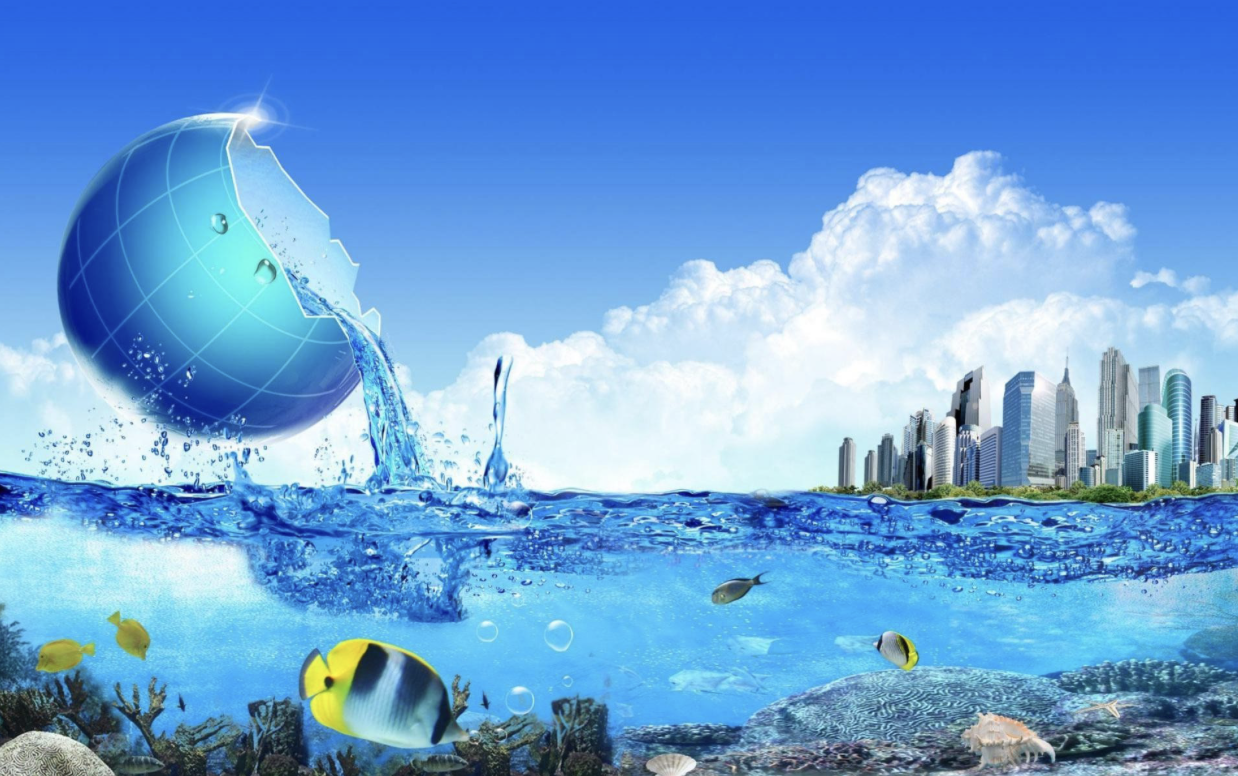
Asadal Stock Images | Frutiger Aero Archive
The year is 2007, you wake up on a nice, sunny, Saturday morning. The sky seems bluer, the grass greener, you sit down in front of the family computer and turn it on using your big toe. Suddenly, the screen lights up in a bright blue color and you enter the homepage. You are now greeted with a picture perfect landscape crafted by windows; rolling hills and bright skies filled with the technological promise of tomorrow, this is Frutiger Aero. Back in the late 90’s through mid-2000’s, the internet was going through a transitional period of rapid growth and modernization. We went from static web pages to interactive communities where you could personalize profiles, talk to strangers, and share pictures or videos online. This completely changed the internet forever, it globalized it. You could now surf the web and connect with people from across the globe, pages like MySpace were extremely popular at the time where users could customize their profiles using CSS (a coding language commonly used for visual design), all in all the internet was a place for discovery, self expression, and most importantly a place to dream.
It’s no secret that before technology was even part of people’s lives humans lived very differently, life was slower, it felt more present. With the early rise of technology people were still trying to figure out how to blend both things together: life and technology. They were limited to flip phones, a singular home computer in a designated computer room, game consoles for at home use, and DVDs to watch movies. This was the perfect balance of technology and the real world; people still prioritized their own lives and with the increasing worry about climate change, tech companies wanted to portray an image of sustainability. During this time of progress and discovery with new tech, people put all their hopes, fears, aspirations, and dreams into this new era, and with it came the belief that digital progress and environmental healing would go hand in hand. Both of these themes can be seen in the way technology was presented at the time. The digital world seamlessly blended with everyday life, designs were ergonomic, sleek, and online imagery was bright, vivid, and dreamlike. Many companies also used transparent shells to make their devices feel futuristic, playful, and optimistic, which made them seem “honest” and “open”, giving users an inside view of what was inside their tech.
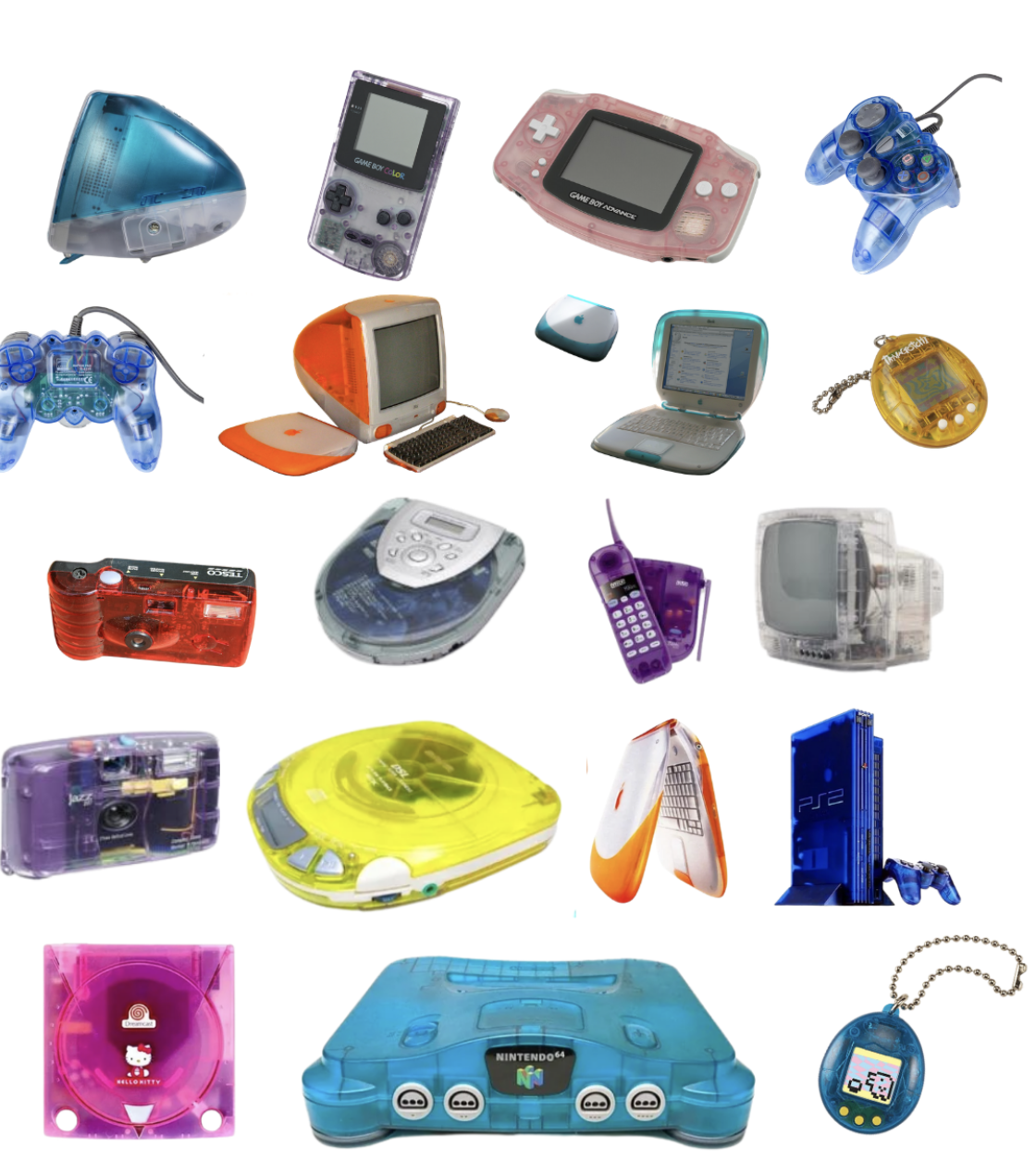
Collage made by Sofy | Wikimedia
All of these elements gave birth to what we came to know and love today as Frutiger Aero. Frutiger Aero is an aesthetic born in the mid-2000’s, it spanned from 2004-2013. In simple terms it is the optimistic blend of technology and nature, filled with blues, greens, bright glossy textures, transparent materials, skeuomorphism, bubbles, futurism, and humanism. This type of design was mostly seen on Windows Vista, PS Vita, Wii and Wii U, PlayStation 3 advertisements, stock images, and certain toys. The term was officially coined in 2017 way after its time by Sofi Lee at the Consumer Aesthetics Research Institute (CARI). It is derived from the Frutiger font created by Swiss photographer Adrian Frutiger and Microsoft's Windows Vista Aero UI design featured as The "Authentic, Energetic, Reflective, and Open" design language introduced with Windows Vista and Windows 7, recognized by translucent glass effects and glossy windows. The Frutiger font was a “humanist” sans-serif font that was made in 1976, which later inspired Microsoft's Segoe UI and Apple's Myriad that were used in all Frutiger Aero media of the time. The aesthetic quickly took off after tech companies like Windows systems, Apple’s marketing and early models, video game consoles like PlayStation, Nintendo and Xbox all started integrating Frutiger Aero designs, and in no time it was everywhere. Frutiger Aero wasn’t the only digital aesthetic that came out from this time, our beloved Frutiger Aero made way for a variety of subaesthetics such as: Frutiger Metro characterized by its flat vector shapes, human silhouettes, and energetic music/club centric graphics, Frutiger Eco a subgenre focusing heavily on green tech, environmentalism, and corporate sustainability, Helvetica Aquaero (or Frutiger Aqua) which focused on tropical oceans, fish, and aquatic motifs, DORFic (daylight-orange-red-futurism-graphic) a minimalist aesthetic that blends 3D designs of oranges and reds with abstract futuristic technology, and many more.
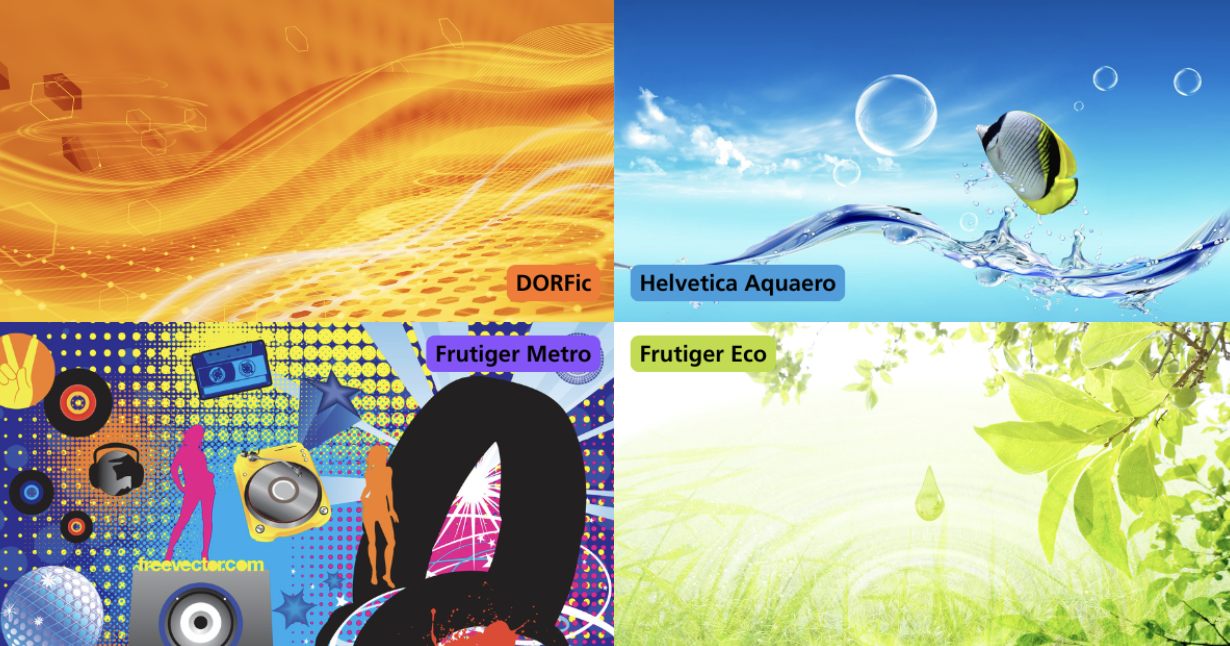
Collage made by Sofy | Frutiger Aero Archive
There are many reasons as to why Frutiger Aero was such a calming and optimistic aesthetic, one of the biggest reasons this type of design was born came after the 9/11 tragedy and the dot-com stock market collapse, humanity was desperate for safety, stability, and transparency, so the clean and harmonious aesthetic design of Frutiger Aero came to be. Another big influence was the rising concern for climate change and carbon footprint; big tech companies used these growing environmental fears and turned them into imagery of an eco-friendly utopia giving the illusion of a world where technology and nature not only coexist but beautifully interact and grow together. This type of design not only dominated the internet, it also jumped out of our screens and into lobbies, clinics, architecture, and other public spaces to bring a colorful and futuristic design. During this time people viewed technology through the eyes of small children, filled with wonder, wild dreams, and endless opportunity. People loved this utopic dream of a green future because it eased their anxiety about the ever changing world and its environmental problems.
Unfortunately, around the mid-2010’s the world shifted into minimalism and flat design, Windows drastically changed with its Windows 8 release, and Apple moved onto iOS7 and with them the dream and promised future died. Not long after this all brands started to slowly rebrand into a minimalistic, corporate, devoid-of-life look. Users grew accustomed to technology so skeuomorphic designs became obsolete, the rise of rampant capitalism prioritized corporate efficiency and profit over aesthetics and quality. Suddenly everything looked the same and the internet lost its charm,]. Humans forgot about the unique eco dreamscape they built and replaced it with a need for algorithms, instant gratification online, and simple designs.
Frutiger dreamed up a future where we coexisted with nature, where spaces felt unique and invited us to dream, and the internet felt like being a kid again. A place where we creatively express ourselves and there's no limits. Although some of these aspects still remain true, we have completely destroyed one of Frutiger Aero’s main objectives and that’s eco friendliness. With the rise of AI and overconsumption, technology has become nature’s worst enemy instead of its ally. The technological dream became incessant greed to advance and destroy everything in name of “progress” and with the current environmental and political climates it’s no wonder Frutiger is having a revival.
Since late 2022, Frutiger Aero has made a big comeback, users have shared thousands of videos to TikTok and Instagram featuring the aesthetics key characteristics accompanied by dreamy and soft EDM music that is now associated with the term. This revival is driven by a lot of factors such as nostalgia for simpler times, the optimistic and colorful escape it brought users, a new need for stability and hope during these tumultuous times of political and financial uncertainty, the bigger rise of concern over our decaying environment, the “20 year cycle”, and the overconsumption of trends and aesthetics. Regardless of the reason, I think that the comeback of this particular aesthetic is very interesting because when compared to how we are living and interacting with these spaces now is drastically different. We have forgotten to care about nature, and it's no wonder, almost none of the tech designs we have nowadays features anything about the environment. We used to have technology reminding us that we could build a world where technology and nature lived together as one, and instead of building towards that future we built one where AI takes all our water and kills everything around it.
Although Frutiger Aero was made as a way to transition humanity into not fearing technology, it has great lessons to teach us. Since we are in an ecological crisis and technology is not stopping its progress anytime soon, we should learn from our past hopes and dreams and help build towards the utopian Frutiger paradise. This can be achieved by building eco-friendly and sustainable technology, moving away from plastics and recycling, integrate solar and wind energy, create new innovative ways to truly have technology coexist and even aid nature the way our Frutiger Aero past wanted (a super awesome browser that is taking this step is Ecosia); and to bring back spaces with personality and color that evoke hope and optimism for a better future. Getting more involved with the environment and making time for ourselves away from technology is also one of the biggest things that causes this nostalgia for earlier times before technology fully took over.
Whether you love or dislike Frutiger Aero for its nostalgic feel, futuristic look, or its eco-friendly message, we can all learn and appreciate it as a powerful message that we can still build a wonderful future where technology and nature flourish and the world can feel bright again, so next time you surf the web try to think of how we can make the promised future a reality.
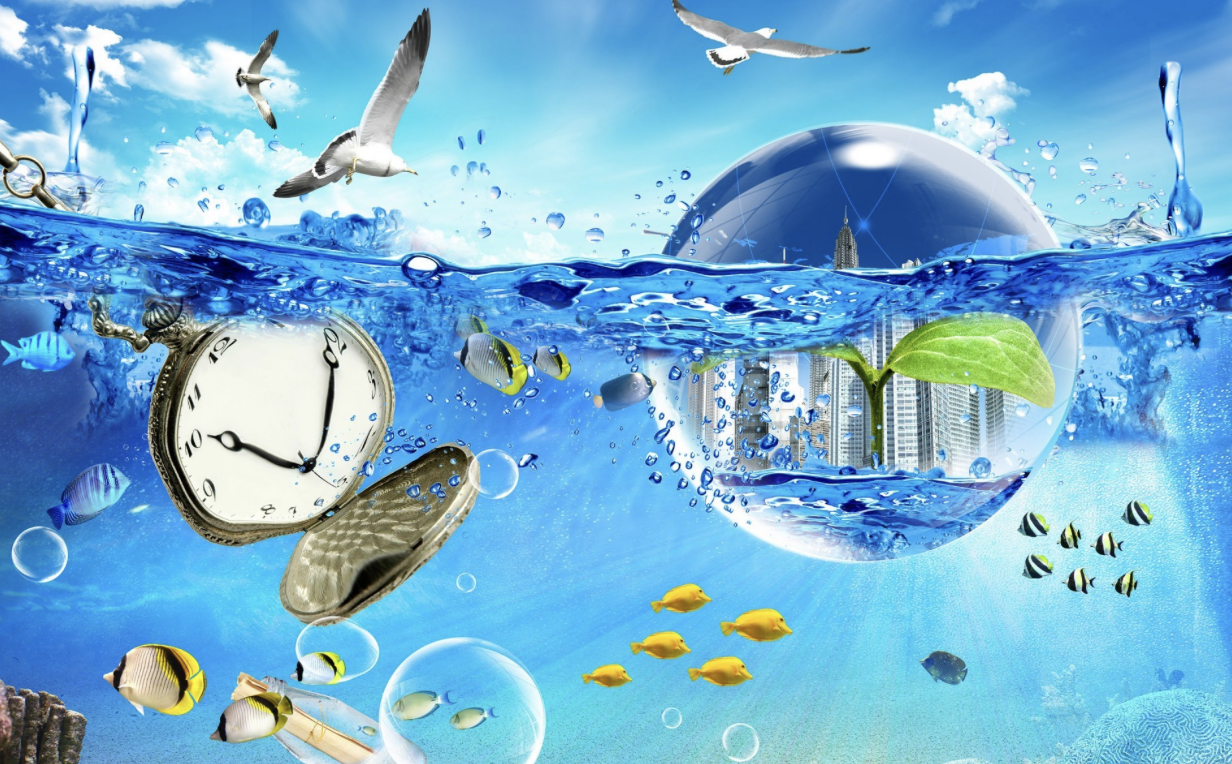
Asadal Stock Images | Frutiger Aero Archive
For a Frutiger Aero vibe check out my playlist here!
Strike Out,
Sofia Diez
Miami
Sofy is a Creative Writing student at Florida International University. She loves all things cute, gothic media, boba, and nature. You can always find her daydreaming ideas for her next creative project and watching anime with her Chiweenie Rucky. You can reach her on Instagram @sofydiez & Substack @darkgloomyprincess
References:
“Frutiger Aero: The Future of The 2000's | Computer Museum.” University of Waterloo, https://uwaterloo.ca/computer-museum/exhibits/frutiger-aero-future-2000s. Accessed 25 August 2026.
Skeuoss. “Frutiger Family Aesthetics.” Skeuoss, 26 January 2026, https://skeuoss.net/blogs/aesthetics/frutiger-family.
Yang, Yunseon. “CARI | Aesthetic | Frutiger Aero.” the Consumer Aesthetics Research Institute, https://cari.institute/aesthetics/frutiger-aero. Accessed 25 August 2026.
Edited by Ansley Ryan and Alexander Polo