Hair: The Mirror of Times
In various cultures, hair can reveal so much about a person and their identity before you get the chance to engage with them. It can reveal a person’s age, marital or social status, spirituality, culture, and ethnicity.
In American culture, hair trends flow in the direction in which society moves, whether that’s more traditional, rebellious, or a rejection of political views or economic changes. Hair is tightly connected to many societal movements and plays an important role in marking where we are.
Dating back to the 1920s, America experienced a great number of changes. World War I ended, and technology was advancing, resulting in many economic opportunities. After a long battle, the 19th Amendment was passed, giving women the right to vote. During this era, women were challenging traditional beliefs, one of which was that short hair was masculine while long hair was feminine and beautiful. The women began to cut their hair up to the ear into what we now know as ‘the bob’. The flappers, a subculture of young women, and celebrities like Josephine Baker were styling their bobs in different ways, like finger waves, baby hairs gelled down into curls, and mini curls. The style was then sometimes finalized with a headband made of crystals or lace with a feather added, giving it the famous glamorous look we associate with the 1920s. Many women were even going to barbershops to get this iconic short hairstyle during this time of artistic expression.
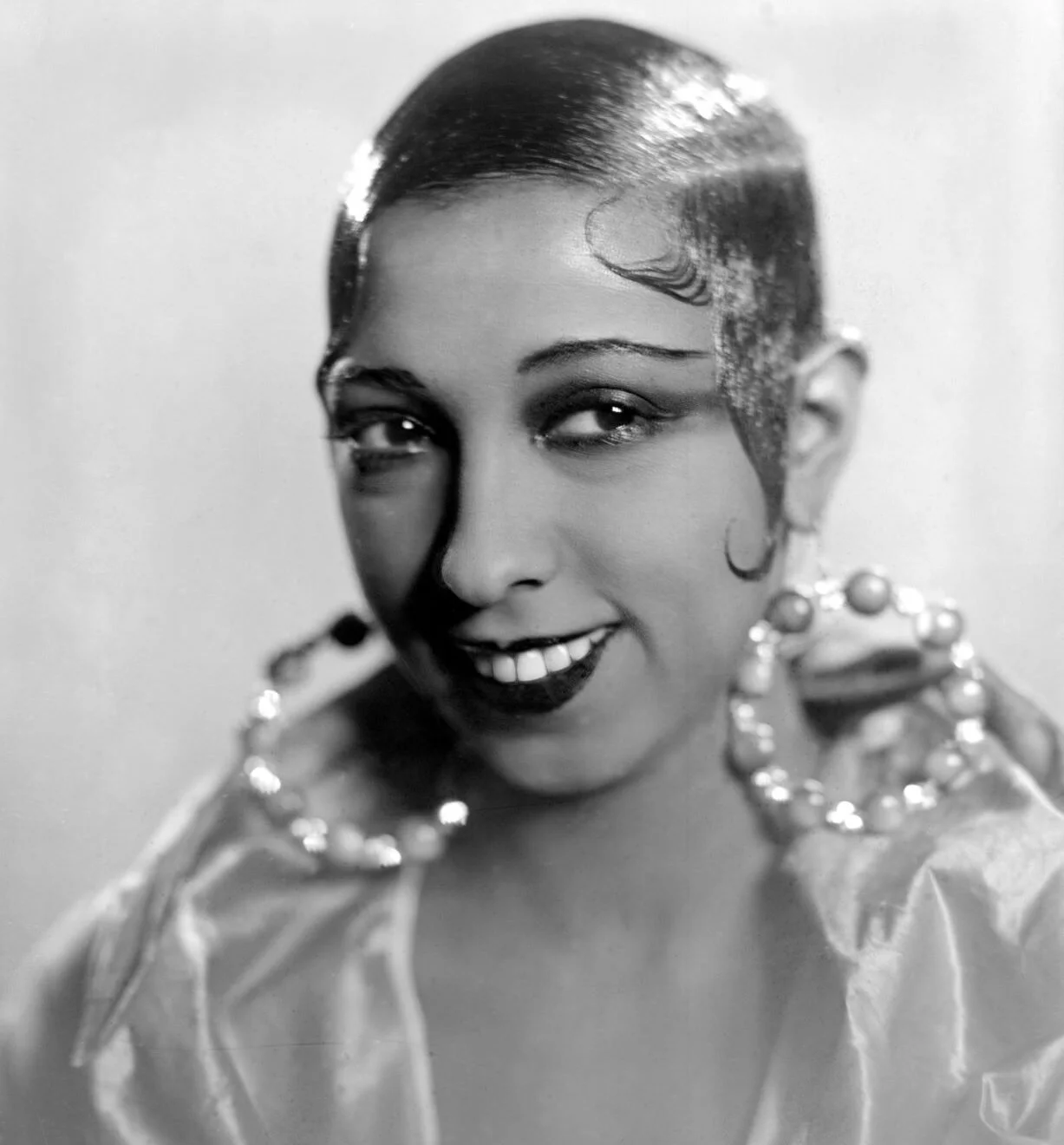
Image Courtesy: Artburst
In the 1960s and 70s, cultures and movements like the hippies and Black Panther Party (BPP) inspired people to wear their hair in its most natural and biggest form. Hippies were all for peace and made their stance clear on where they stood with wars like the Vietnam War. To reject the military’s regulation of having buzz-cut hair and being clean-shaven, many hippies grew their hair long, even the men, which caused them to receive a lot of pushback from their parents and authority, who associated long hair with being gay or using drugs.
Unfortunately, hippies weren’t the only ones whose hair was patrolled. For years on end, Black people were fed a negative rhetoric that straight hair was beautiful while curls and coils were not. The BPP started the movement of wearing Afros to reject Eurocentric beauty standards and to show that one doesn’t need to conform to ideas that are not true to oneself to survive.
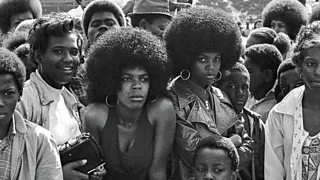
Image Courtesy: BBC
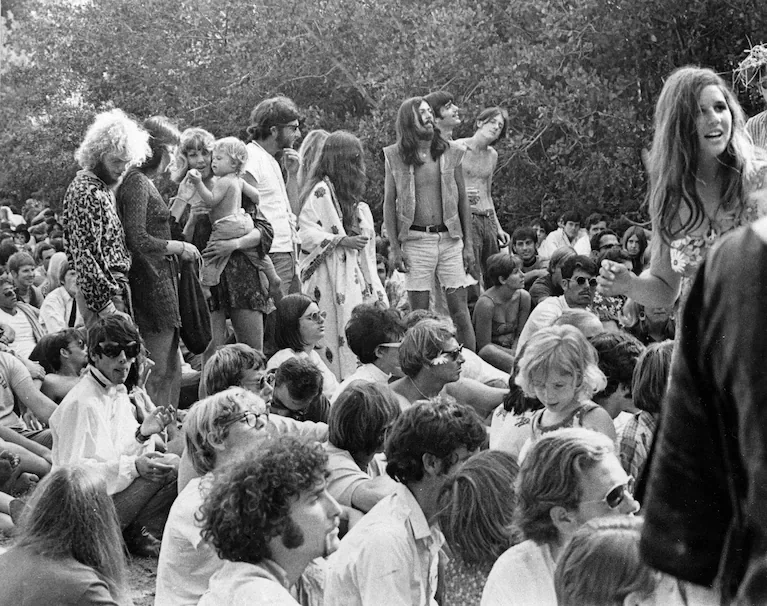
Image Courtesy: The Washington Post
In the 2010s, post-2008 recession, many hair trends came about as social media platforms like YouTube inspired people to explore different hairstyles both from their homes and at the salon. We had the infamous man buns that had millennial men in a chokehold. We can’t forget when people were dyeing the tips of their hair for an ombré effect. LaurDIY, who had pink dyed tips, and Odell Beckham Jr., with the blond tips, immediately come to mind.
There was also the natural hair movement that had lots of people cutting off their permed hair and oiling their scalps for the best curly and coily hair results. Fast-forward to the 2020s, where we're going through a recession…again, but also in a weird space with social media being bigger than ever, there are so many styles that are trending like the mullet, micro bobs, natural hair colors, boho braids, and sleek back buns and ponytails.
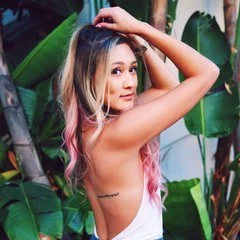
Image Courtesy: Daily Motion / @laurDIY
Hair makes up a portion of our identity in some way or another, which is why throughout history, different hairstyles and trends have been controversial and continue to be in today’s age. As society continues to evolve and shift in its views, so will hair trends. If you haven't taken anything from this article, take this: wear your hair the way that fits your truest form.
Strike Out,
Johann Jonassaint
Boca Raton
Johann Jonassaint is a content writer for Strike Magazine Boca. A true Venusian who can never get enough of being wrapped in cozy sheets, listening to video essays or daydreaming. When she finally leaves her sheets, you can catch her writing at the library, the only place she can actually get work done. Feel free to contact her at jjonassaint2023@gmail.com or @jojoeva_ on Instagram.