My Rohmer Summer
With August’s end soon to come, I feel plagued, yet again, with the summer blues. The hurricane winds get stronger, the days get shorter, the sargassum that first decorated my beaches wages war with my nostrils…I just can’t seem to shake off these dang summer blues. Pressed down beneath a decaying aquamarine thumb, I pray each night that I’ll wake to find it has turned to summer forever, only to rise to yet another dying summer day passing by. In times like these, I turn to Eric Rohmer.
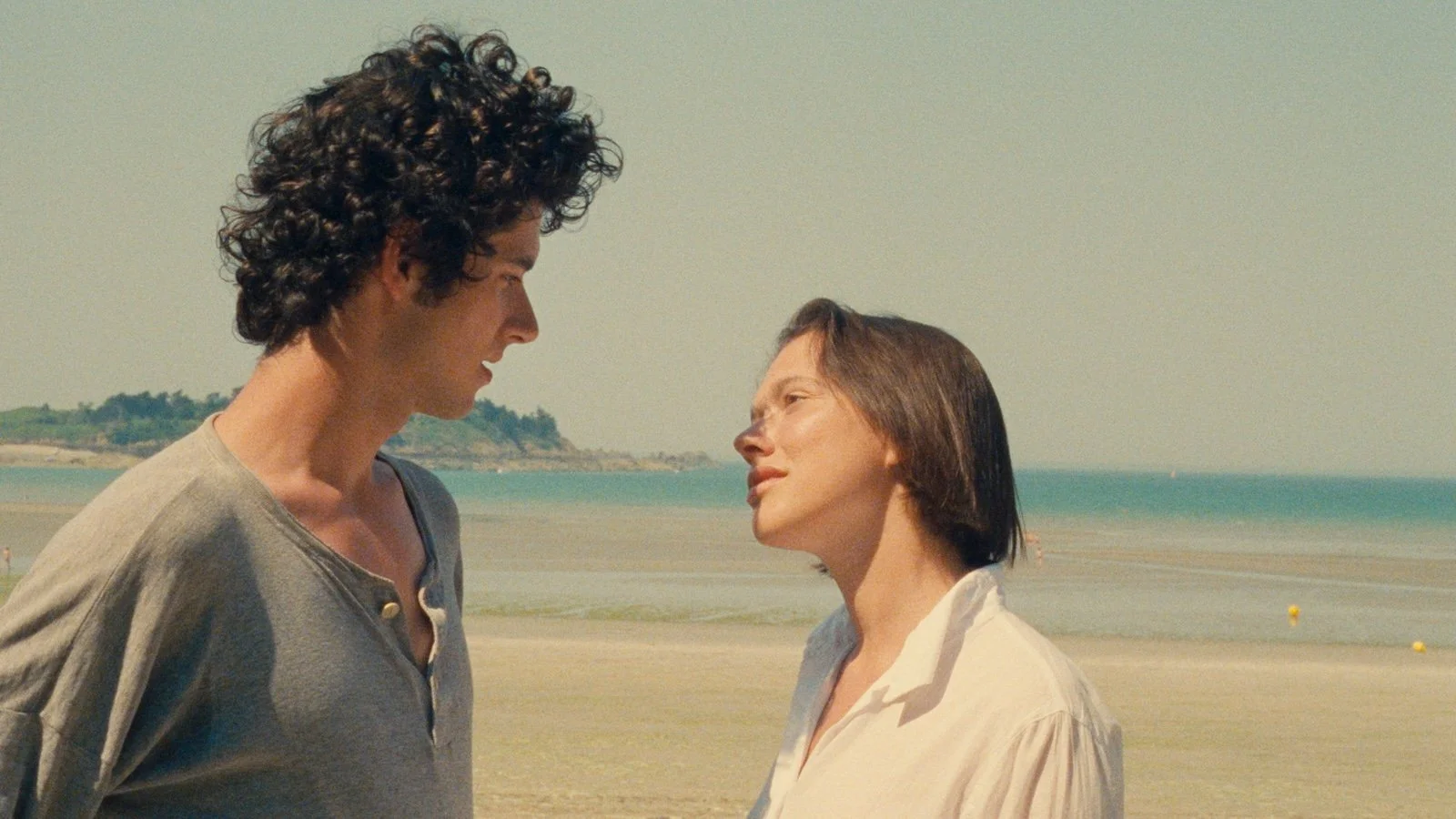
A Summer’s Tale (1996) | Metrograph
Where to start with Eric Rohmer? The legendary French New Wave director, the master of the subdued, Rohmer, the sovereign of my summer heart. Ironically enough, my first experience with Rohmer was in the Springtime watching A Summer’s Tale three months too early. What captured me most was his sense of motion. Everything sways in the world of Rohmer. Grass refuses to stay stagnant, characters pace around the frame, everything lives inside the now, rarely does anything get beyond it. Rohmer’s films have no timeline, they live in the continuous season. One wakes up and the wind is as breezy as the day before. It’s forever a perfect day for sailing, beaching, loving. Life is not an Eric Rohmer film—but what if it could be?

Pauline at the Beach (1983) | Metrograph
Rohmer’s films are often categorized by “reflective characters with too much time on their hands and too many thoughts in their heads” focusing less on the actions of characters and more on the mindset, the anticipation of what is to be done. On the eve of unemployment, living this tumultuous post-grad life, truthfully, I too have spent a majority of this year in a limbo state of anticipation. Waiting for the next opportunity to arise, reflecting on potentials, hours and hours of daydreams, hopes, fears, spent listless under palm trees and sun rays, only to be perturbed by the time spent alone.
The characters of a Rohmer film quell these worries with relationships and setting. A change of scenery will be the cure. Lakeside to countryside, Rohmer’s heroes refuse to stay in, a tactic I’ve adapted from Rohmer when my listlessness ran dry. I hit a record high in July going out twice every weekend with friends, both new and old. I took day trips and explored parts of Florida unknown to me, Lewis-and-Clark’ing trashy west coast beach towns with $5 rumcolada slushies in hand. Oh, if Rohmer could see me now. The film would only end right back where it started from, alone in my room staring up at my flicking neon lights like a lizard with twenty years of its life left to live, like a Rohmer character the sun sets on my running mind, and scenery, while beautiful, is not enough to fill my cup.
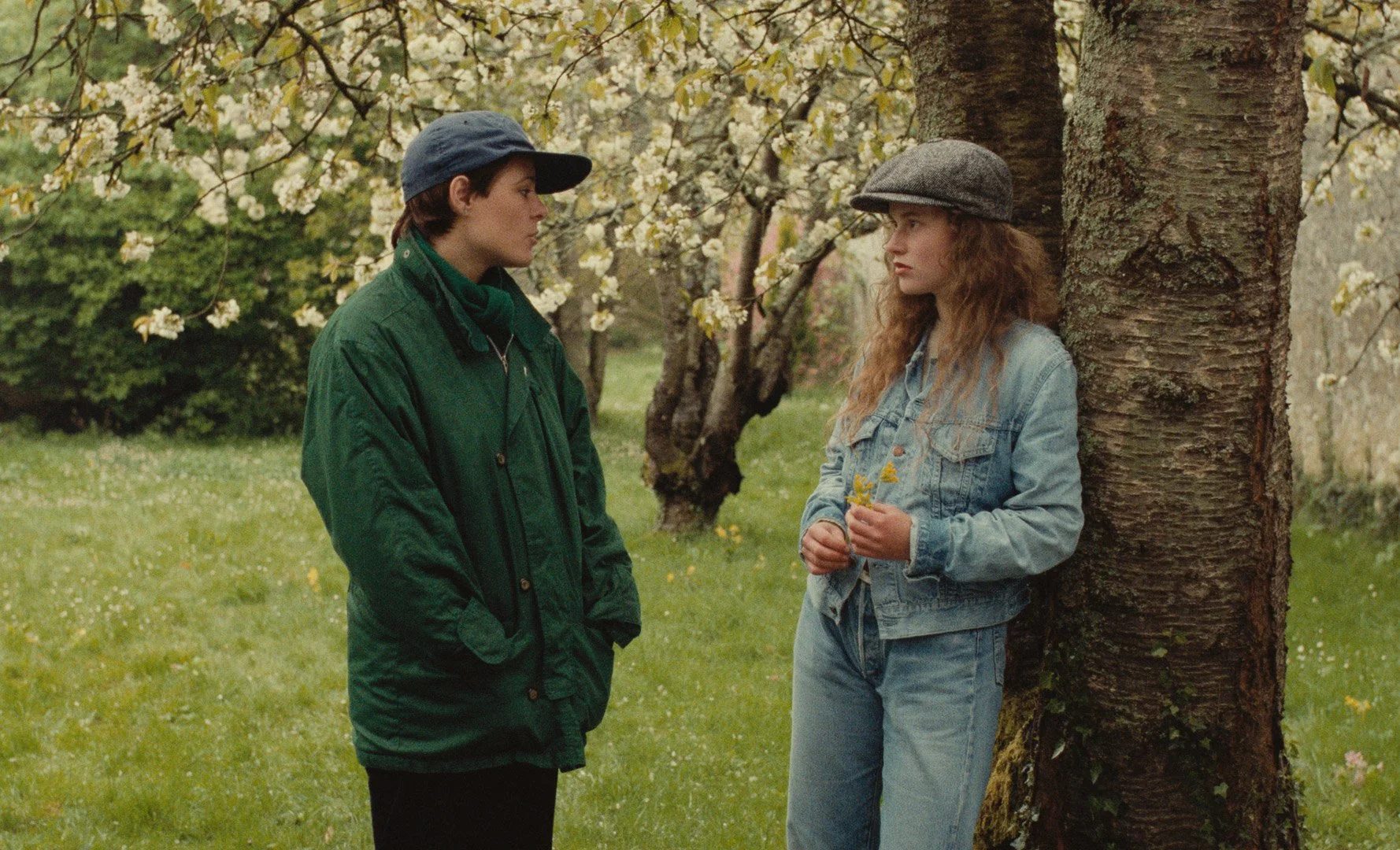
A Tale of Springtime (1990) | 4Columns
If continuity is being set ablaze and nothing lasts forever’s are being blasted in my ears, then the one thing in life most similar to Eric Rohmer films is the dependability of friendship and the folly of romance. The value of companionship amidst seasons of emotional duress and structural life changes is Rohmer’s bread and butter. In A Summer’s Tale, Gaspard relents all of his impassioned summertime sadness onto Margot, ultimately the couple goes from platonic to romantic. Pauline at the Beach documents the titular character’s first encounter with romance, as she experiences how the ones around her accept, lust, and reject one another. Should it be a quick rush of emotion or is it a waiting game? Should it be torturous, should it be easy? Ultimately, the beating heart of the film lies in the intergenerational, platonic relationship between Pauline and Pierre as one looks out for the other’s heart.
Romance is a fickle thing in Rohmer’s world, the characters take it as it comes, they may pine, they may fret, but it never feels like a world-ending, destructive force and lord knows I often make it seem that way. In my summer I turned Rohmer, I too have taken a backseat to love, lust, crush, whatever. Away with scenarios, exile the what-ifs, Rohmer takes it on the chin, Rohmer takes it at face value. He would be ashamed of these cryptic games I play. Shame! Shame! Shame!
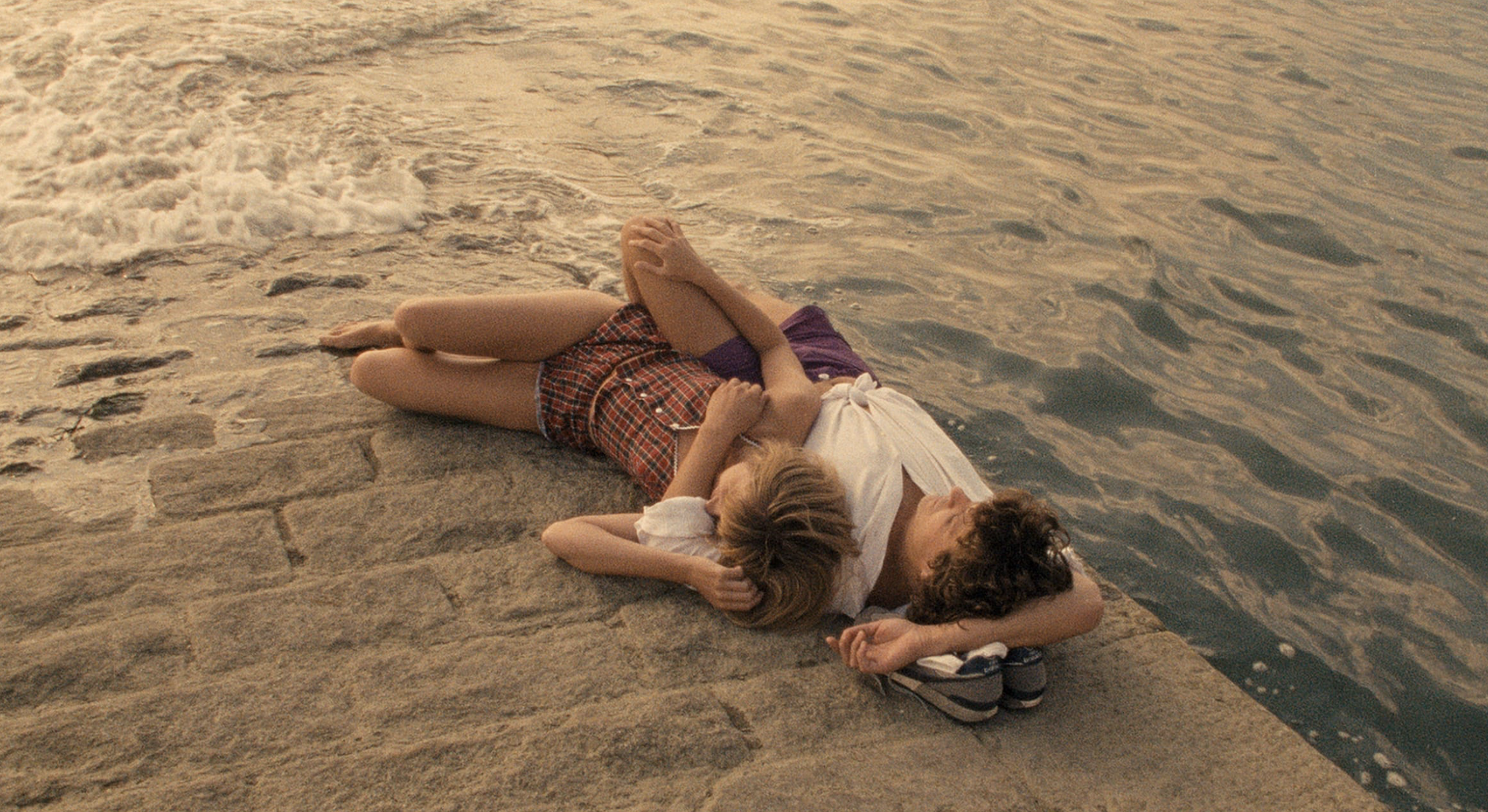
A Tale of Autumn (1998) | The Criterion Collection
Rohmer crafts this dream life, a vision of perfect continuity. Believing in it too much can be dangerous, nothing is as sweet as the mirage after all, but as the summer winds down I am finding a perverse comfort in my cyclical summer blues. They were here before me, they will be here after me. The unpacked roommate, my darling summer blues. As the world speeds towards decline and cultural touchstones and icons are saying their final goodbyes, here I am writing another self-involved essay about life, love, and movies. Would Rohmer want it any other way?
Strike Out,
Ariel Rivera
Miami
Ariel Rivera is a Miami-based writer and editor covering culture, film, music, and media. Their work has appeared in Strike Magazine and is forthcoming in Summur Magazine. They also publish essays, commentary, and prose independently through their Substack, Nearsplendor. Inspirations include: the sun, ube, film photography, Celine Song, and his dog, Neo.
Edited by Ansley Ryan