
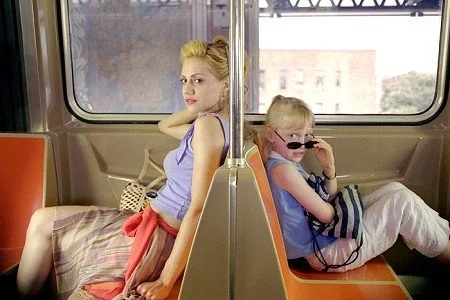
Image Courtesy: Pinterest
“Cool” used to be something you grew into. When “Cool Kids” by Echosmith played on the radio in the early 2010s, its chorus — “I wish that I could be like the cool kids, ’cause all the cool kids they seem to fit in” — captured a distinctly teenage longing: the desire to belong, to age into confidence, and to one day outgrow the awkwardness of adolescence. Being “uncool” then wasn’t really about having bad style – it was about being younger. It was watching older kids with questionable haircuts and chaotic outfits still exude confidence simply because they were older. They had cars, curfews with flexibility, inside jokes, and a sense of independence that made everything they did feel cooler by default. Side bands, galaxy print, experimental eyeliner, and copied playlists weren’t attempts to be trendy; they were attempts to feel closer to that freedom. You didn’t want their exact look – you wanted their ease, their autonomy, their place in the world. Not having those things yet was what made you “uncool,” and that distance made growing up feel aspirational. The song now feels less like a simple anthem of insecurity and more like a cultural timestamp from a period when growing up still unfolded in phases, when awkwardness was expected, and when becoming someone took time.
Back then, being older was aspirational. Teenagers occupied a clear and almost mythic place in the social hierarchy; they symbolized independence, experimentation, and access to freedoms younger kids could only imagine. High schoolers felt magnetic because they were in the middle of “becoming”: learning to drive, navigating first relationships, taking on part-time jobs, and slowly building a sense of autonomy. Adulthood felt distant but attainable — something earned through time and experience rather than curated overnight. There was a distance between age groups, and that distance mattered. Being older carried a sense of mystery. You didn’t fully know what their lives looked like – you only saw fragments in hallways, parties, or through overheard conversations. That partial visibility made independence feel earned, and adulthood feel intriguing. Adulthood felt distant but attainable – something reached through time and experience rather than curated overnight.
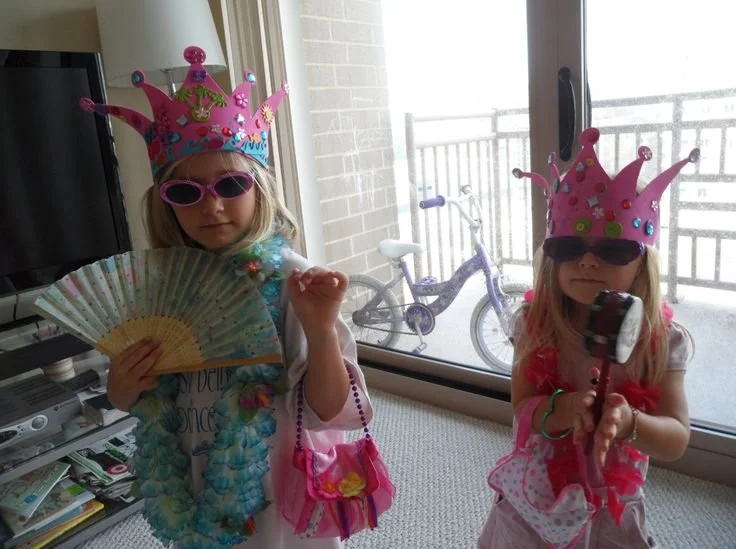
Image Courtesy: Pinterest
Today, that hierarchy has flattened. The gradual climb toward adulthood hasn’t disappeared because kids mature faster; it’s shrinking because there’s no longer room for distance. The mystery of growing up has been replaced by constant access. Younger kids don’t have to wait to glimpse independence – they scroll through it. What once required aging into is now instantly observable and endlessly replicable. Instead of looking up to older students and slowly growing toward their freedom, younger generations are handed adult aesthetics and lifestyles upfront. When everything is visible, nothing feels sacred, and when adulthood is everywhere, it loses its sense of aspiration. Growing older no longer feels like crossing a threshold; it feels like copying a template.
What used to be a messy, formative in-between stage now unfolds under pressure. In the early 2010s, awkwardness lived mostly offline – in indie sleaze phases, galaxy print leggings, experimental eyeliner, and digital camera photos that eventually faded. Today, adolescence leaves a searchable trail. Identity forms in front of an audience, middle schoolers understand angles, aesthetics, skincare routines, and trend cycles because they’ve navigated real independence. Consumer culture encourages kids to buy into maturity early, investing in beauty, fashion, and lifestyle branding as if confidence can be assembled through products. Rather than experimenting through questionable outfits, niche hobbies, and harmless cringe, they inherit curated templates for what “cool” is supposed to look like and feel compelled to keep up. Embarrassment becomes something to avoid instead of something that builds resilience. In this accelerated environment, adolescence feels compressed, with the slow process of becoming replaced by the urgency of being perceived.

Image Courtesy: Pinterest
This shift becomes especially visible in places like Sephora, where on any given weekend, groups of 12- and 13-year-olds crowd the aisles. They buy retinol, peptide moisturizers, luxury lip oils, and multistep skincare routines designed for adult skin. Products once associated with aging are now normalized for middle schoolers, signaling a deeper transformation in how growing up is understood.
Instead of learning about their bodies through breakouts, trial-and-error routines, and advice passed down from older siblings, younger teens are absorbing highly curated beauty standards directly from TikTok and Instagram. Skincare, once a reactive rite of passage tied to puberty, has become a preemptive performance of adulthood. Rather than responding to acne or insecurity, kids are taught to prevent imagined flaws before they exist. This reinforces a broader cultural shift in which maturation is no longer about navigating discomfort or uncertainty but about purchasing readiness, discipline, and polish ahead of schedule.
What once unfolded imperfectly is now tightly curated. Awkward phases once allowed room for questionable haircuts, crazy mismatched outfits, side bangs, and the “highlighter-kid” phase — small, imperfect moments that quietly shaped identity. Those imperfect years allowed identity to form slowly, driven by experimentation.
Today, those transitional moments are increasingly replaced by influencer-led tutorials and algorithm-approved routines, leaving little room for organic self-discovery. Instead of trying things on and growing out of them, kids are handed templates for how to look, act, and present themselves before they’ve had the chance to stumble. Consumerism has replaced experimentation. When stumbling does happen, it no longer stays small. A questionable outfit, a bad haircut, or an awkward video can circulate and be reshared, stuck, and mocked by strangers. The risk of widespread judgment makes experimentation feel dangerous rather than developmental. In doing so, it has flattened adolescence into something sleek and marketable, stripping away the awkward freedom that once made growing up a process rather than a product.
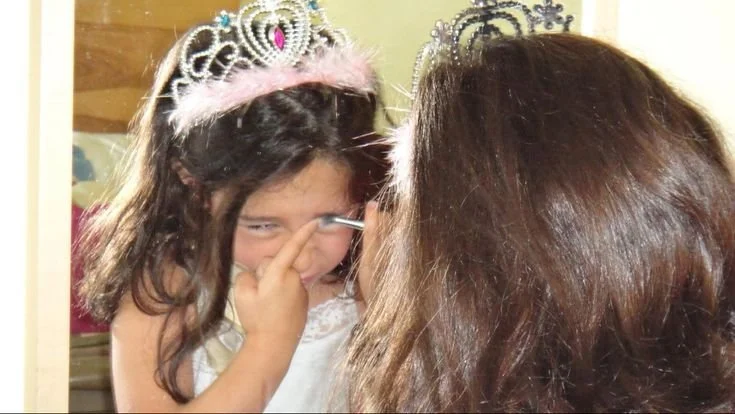
Image Courtesy: Pinterest
The awkward phase isn’t something to rush past; it functions as developmental armor. It protects kids’ right to be messy, creative, and unfinished – giving them space to make mistakes without turning every misstep into a defining moment. Being the weird kid, the try-hard, or the one quietly observing older students teaches patience, curiosity, and self-definition in ways that curated adulthood never can. Looking up to older kids once gave younger generations something to grow toward, not something to instantly replicate. You borrowed their slang, their music taste, and their sense of independence gradually, allowing identity to unfold over time.
That distance mattered because it created aspiration without urgency and curiosity without comparison. Today, when everything from aesthetics to lifestyle choices is immediately accessible online, that natural hierarchy collapses. There is no waiting period, no gradual unfolding of identity. Instead of growing into who they are, kids are handed ready-made versions of themselves through algorithms and influencer culture. When identity is delivered instead of discovered, something essential is lost – the mystery of becoming, and the quiet satisfaction of finding yourself on your own terms.
Skipping that awkward in-between also strips away creativity and resilience. When confidence is discovered, kids learn how to experiment, fail, recalibrate, and try again, developing emotional intuition through lived experience. Consumer culture reframes growth as something transactional, teaching kids that insecurity has a price tag and that self-worth can be assembled through products.
Skincare routines replace self-exploration, and curated outfits substitute for personal expression. Rather than learning who they are through trial, error, and boredom, young people are taught to manage perception, maintain relevance, and optimize their appearance before they’ve even formed an internal sense of self. Maturity becomes something to perform rather than something to earn, and identity becomes a brand rather than a process.
Image Courtesy: Pinterest
Growing up becomes less about exploration and more about visibility — less about becoming and more about being perceived. Instead of slowly learning who they are, kids learn how to present themselves, turning adolescence into a performance shaped by trends, metrics, and consumer expectations.
Growing up was never meant to be efficient; it was meant to be awkward, slow, and deeply personal. When kids are pushed to be cool too soon, they lose the freedom to stumble, experiment, and become. By making room again for messiness, curiosity, and looking up instead of keeping up, we give the next generation back something essential: the chance to grow into themselves, not perform their way there.
Strike Out,
Writer: Alexia Cretoiu
Editor: Salette Cambra
Graphic Designer: Lexee Baker
Tallahassee