
Since When Did Being Pretty Become a Job?

Image Courtesy: Pinterest
Why does it feel like we can’t simply elevate ourselves anymore? Everywhere we look, the media tells us something about us is “wrong,” and there’s a quick fix for it all. Maybe it’s a nose that’s “too big,” a butt that’s “too small,” or breasts that “should be one size bigger.” That includes all Influencer posts, TikTok trends, or even word-of-mouth. They all insist there’s a flaw to fix, a feature to enhance, and that we can do it with the snap of our fingers. When it comes to lip filler, Botox, or major surgeries, simple facts often get lost in the media, even something as important as recovery time. “Many patients expect a quick transformation, likely because of our society's emphasis on instant gratification,” said Roy Kim, MD, from the American Society of Plastic Surgeons. Instead of celebrating the parts of ourselves we already like, we’re being told to remove or completely change the parts we decide are “not enough.”
This isn’t about choosing to change or “self-improvement.” It’s about two industries, beauty and cosmetic surgery. They profit from convincing us we’re not enough, that our natural selves are broken, and that the only way to measure up is by buying whatever they’re selling. From everyday “small changes” like lip plumpers or lash extensions meant to simply spruce up your daily appearance, to procedures like lip filler and lash lifts. It’s all part of the same cycle. What starts as a quick confidence boost can easily turn into a constant chase for the next “fix.”
The pressure is in everything we see. Scroll through any feed, and it’s all filters, transformations, and trends that make “perfect” look real—but it isn’t. And somehow we start thinking that if we’re not changing something physically, we’re failing. There’s a trend right now on TikTok called #morningshed, where users pile on dozens of products, masks, chin-straps, and other things overnight. Acting like these are all the things you must do before bed so the next morning you can look like you “just woke up like this.” The funny thing is, it's all a ruse. According to Dr. Anjali Mahto, consultant dermatologist and founder of the Self London clinic, “These complex night-time rituals go beyond what our skin actually needs and show just how obsessed our culture is with perfection.” The media doesn’t just tell us what’s beautiful; it tells us what everyone should look like by showing us everyone who did it and how “well” it went for them—and suddenly nothing about ourselves feels safe from judgment.
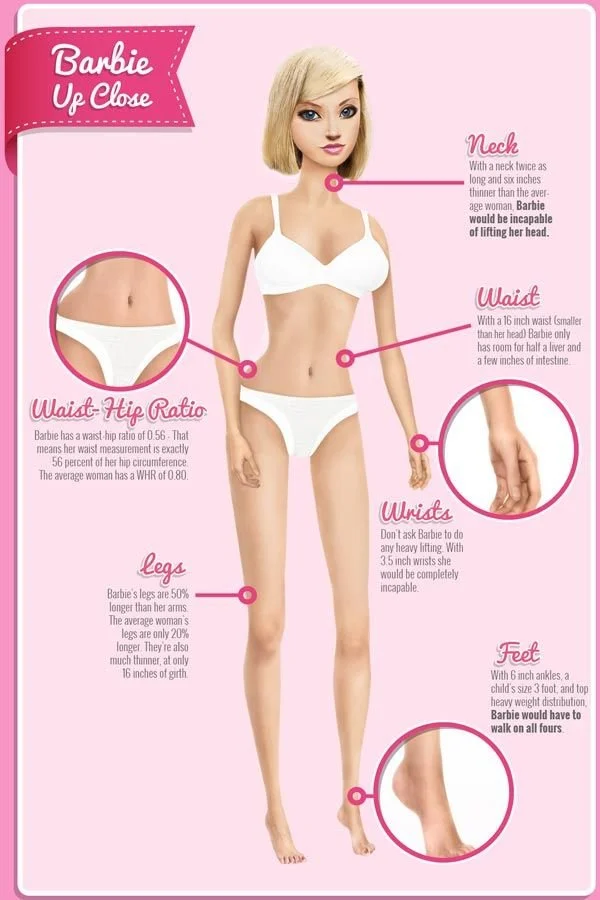
Image Courtesy: Pinterest
Society has done a 180, and many of us hardly noticed. Take the brand Barbie, for example. The classic 1980s doll was this blonde, blue-eyed figure with a so-called “perfect body.” Then, in an effort to be more inclusive, Mattel introduced the Barbie Fashionistas line, giving us dolls with different body types—curvy, tall, petite—as well as a range of skin tones, hair textures, and eye colors. Mattel said that the dolls aim to “advance Barbie’s continued goal of reflecting a multi-dimensional view of beauty and fashion”. Essentially, on paper, this does look like progress, but the underlying message hasn’t really changed. Teenagers are still being pushed to chase a “perfect” version of themselves— an idealized Barbie image. Even when we’re offered more options, the pressure to measure up to one standard of beauty never really goes away.
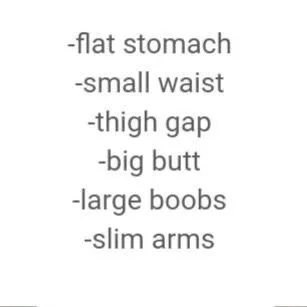
Image Courtesy: Pinterest
What is the right size? Why are we constantly being told to fit a certain society’s template of the perfect body? And somehow, the implied answer seems to be that we should be surgically altered to fit it. True self-expression has been replaced with self-editing. And this isn’t just about us as individuals, but it’s more of a cultural expectation that indicates that natural is never good enough, and change is basically mandatory.
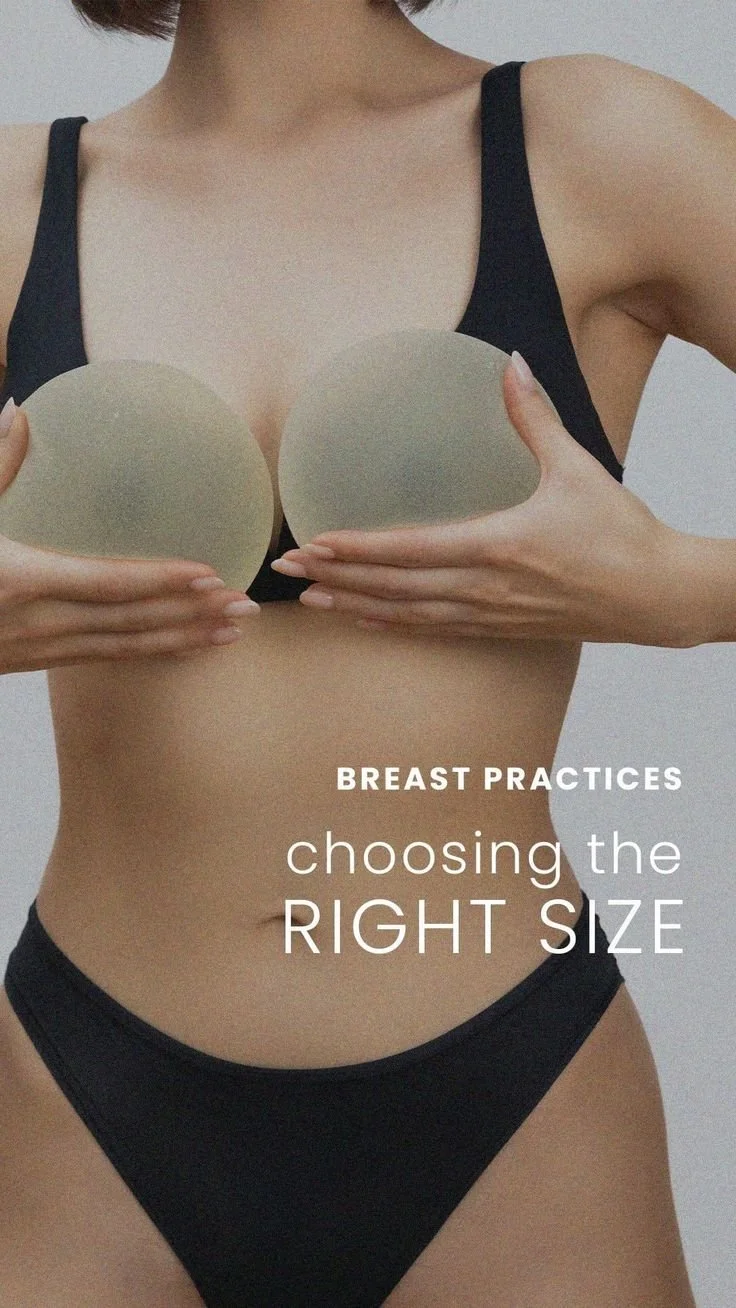
Image Courtesy: Pinterest
At the end of the day, being pretty shouldn’t feel like a full-time job. True confidence should come from embracing who we are, and not trying to become someone else’s idea of perfect. The media may keep pushing standards, but we have the power to decide what “enough” really means for ourselves.
Strike Out,
Writer: Camila Alvarez
Editor: Salette Cambra
Graphic Designer: Gianna Grazi
Tallahassee