
Old Friends
For four million, three hundred sixty-one thousand, one hundred sixty seconds, I have lived alone. But who’s counting?
For as long as I can remember, I have hated being alone. Not in the wistful, I wish someone were here sort of way. But true hatred. The kind that settles in, takes off its shoes, and starts ranting about squatters’ “rights.” I abhorred it so much that one day alone in my college apartment could drive me up the wall, while one night alone in my childhood home had me seeing things that weren’t truly there, absolutely assured that ghosts were, in fact, real.
So, naturally, upon entering law school, at arguably the most unnerving moment in my life, I decided to live alone.
At first, the apartment practically heckled me about it, every empty room joining in on a roast I had apparently signed up to endure for the length of my lease. Every sound arrived unaccompanied. The refrigerator clicked on. A pipe moved somewhere in the wall. Someone upstairs dropped what I can only assume was a bowling ball directly onto the floor. There was no roommate to glance at afterward, no person across the room to silently confirm: You heard that too, right?
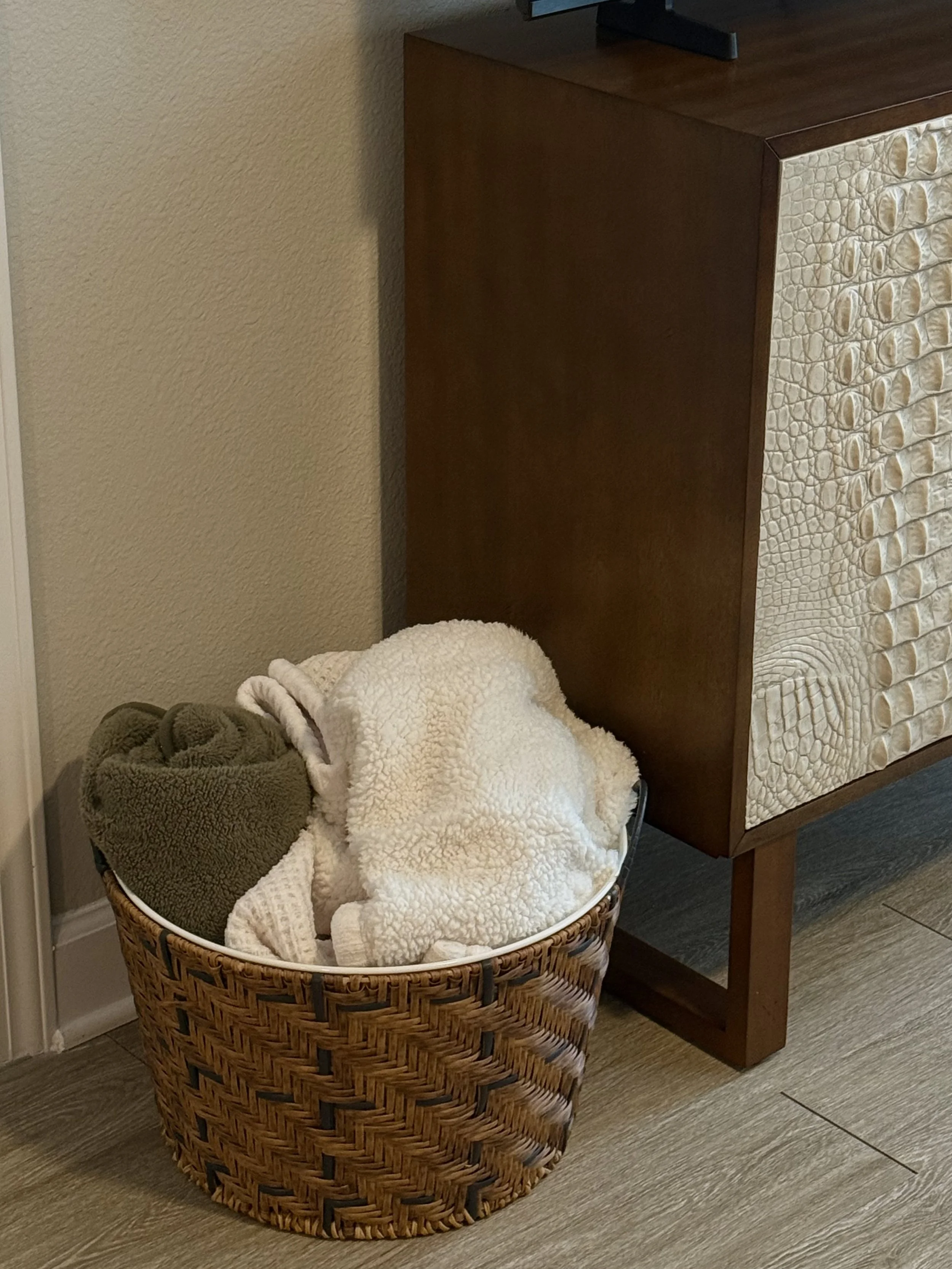
Image Courtesy of Elle Powers
Then, somewhere in those four million seconds, the silence lost some of its authority. I stopped noticing that no one else was home. Or, more accurately, I began to realize that someone always was.
Unfortunately, that someone was me.
I think imaginary friends come naturally to children with overactive imaginations. As a kid, I had no trouble populating otherwise ordinary places. Toys had personalities, empty rooms had occupants, and imaginary conversations felt perfectly reasonable. Maybe my imagination grew partly from my core discomfort with being alone: when no one was around, I could always invent someone or something to fill the lonely space.
That being said, childhood offers remarkable social protections and excuses for this kind of behavior. A five-year-old holding an extended conversation with her Barbie is charming. Give her seventeen years and a law degree in progress, and suddenly people have questions.
So, at some point, I retired my imaginary friends.
Apparently, imaginary friends do not die. They hibernate—just long enough to rouse at the right time, in the right place, when everything should be all right. They wait until you have several hundred pages of weekly reading and no witnesses. They shed the names, the backstories, the intricacies, and return, years later, disguised as commentary. As the second-person plural.
“We need to leave.”
“We need groceries.”
“We need to stop scrolling and pick up our property textbook.”
There is no “we.” There is only me. Standing barefoot in my kitchen at 6:47 p.m., addressing the barren republic. Living alone has turned my apartment into a deeply unserious little monarchy in which I am somehow queen, court jester, and the people. Everything has a role. The air conditioner is temperamental, often treating me with chilling coldness; she’s pissed about this heatwave. The lamp in the corner is innocent and has never done anything wrong in her life. She’s my go-to whenever I need someone to shed some new light on a situation. Her advice is usually illuminating, if not especially nuanced. My Civil Procedure textbook and I are in a toxic relationship. We’re not speaking right now, though reconciliation remains inevitable for the sake of the kids.
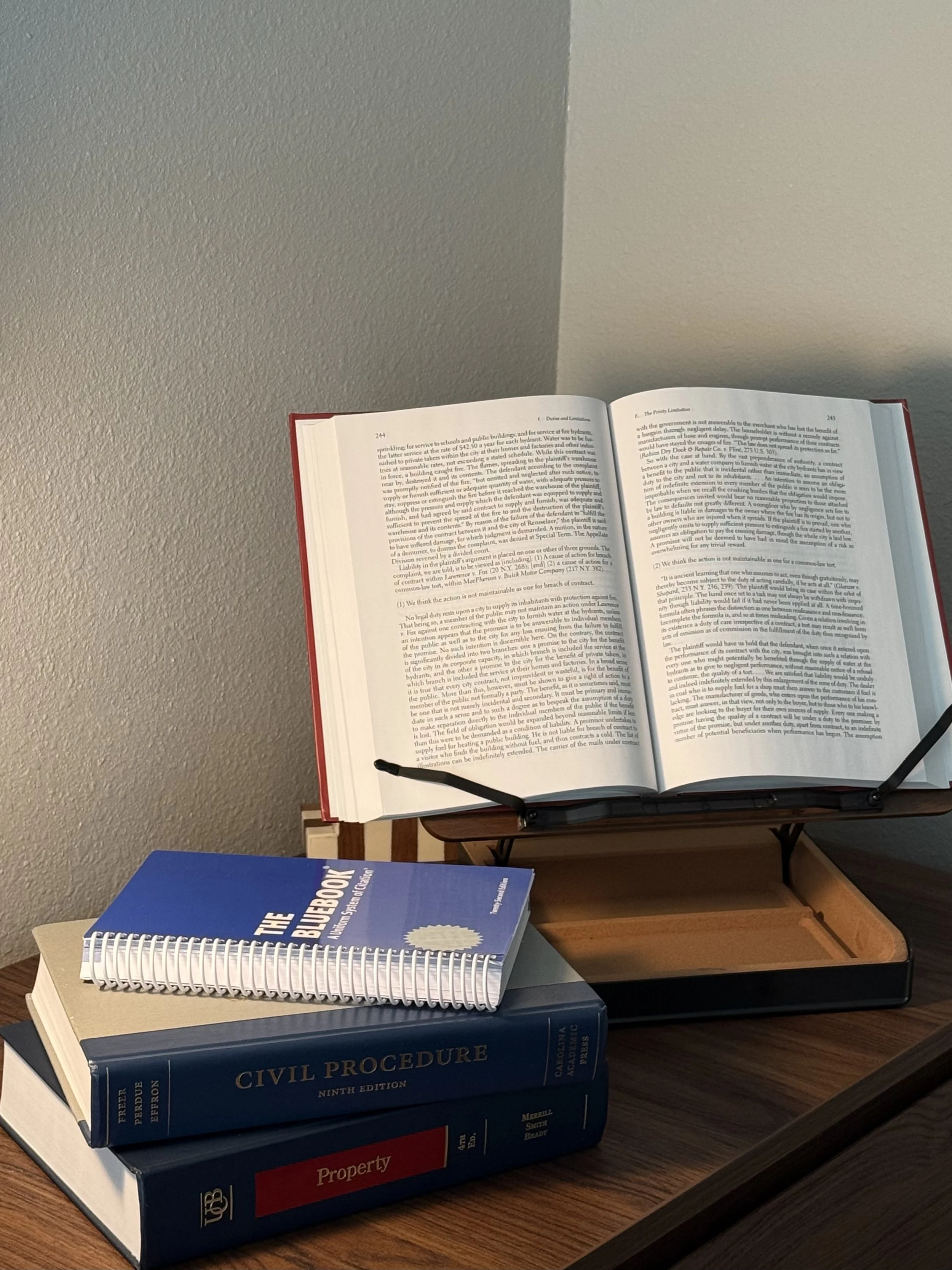
Image Courtesy of Elle Powers
But the objects surrounding me are merely supporting characters. The real resurgence is much less subtle: I talk out loud. Constantly.
Something about living alone seems to dissolve the membrane between thought and speech. Things that once lived safely inside my head now simply escape my lips. Verbal incontinence.
Privacy, it turns out, is terrible for self-censorship. When no one else is around, there is very little incentive to keep a thought in. Nobody is waiting to misunderstand it. Nobody can interrupt. Nobody can give you that particular look reserved for things better left unsaid.
I narrate inconveniences. I congratulate myself. I conduct interviews after minor social interactions. I am reading this aloud as I type.
I reenact conversations usually with revisions. In the original version, I said something relatively normal. In this updated version, I am devastatingly articulate. I have perfect timing. I produce metaphors on command. My opponent, who, importantly, is not actually in the room, has no response. This is how I win most of my arguments.
Sometimes I explain things to myself that I already understand. Sometimes I ask myself a question and then answer it, which feels less like thinking and more like hosting a very low-budget podcast. And because there is nobody around to object, the distinction between thinking and speaking begins to feel arbitrary. Maybe that is what I find so strange about living alone: you become aware of how much of yourself normally exists in response to other people.
Around others, we edit. We adjust the volume. We swallow certain sentences. We wait our turn. We translate ourselves into whatever version will best fit the room.
Alone, there is no audience to remold yourself for. You can finish the thought. Then finish it again. And again. Then, apparently, say it out loud three separate ways until one version sounds right. It would be easy to call this loneliness.
I’m sure sometimes it probably is. But loneliness suggests absence, and what has surprised me most about living alone is how crowded solitude can become.
There are old versions of me here. There is the kid who invented company because an empty room seemed intolerable. There is the college student who filled every free hour with friends because silence made her antsy. There is the law student pacing her kitchen, attempting to explain personal jurisdiction to absolutely nobody while a Trader Joe’s freezer meal heats in the microwave. They are all still around.
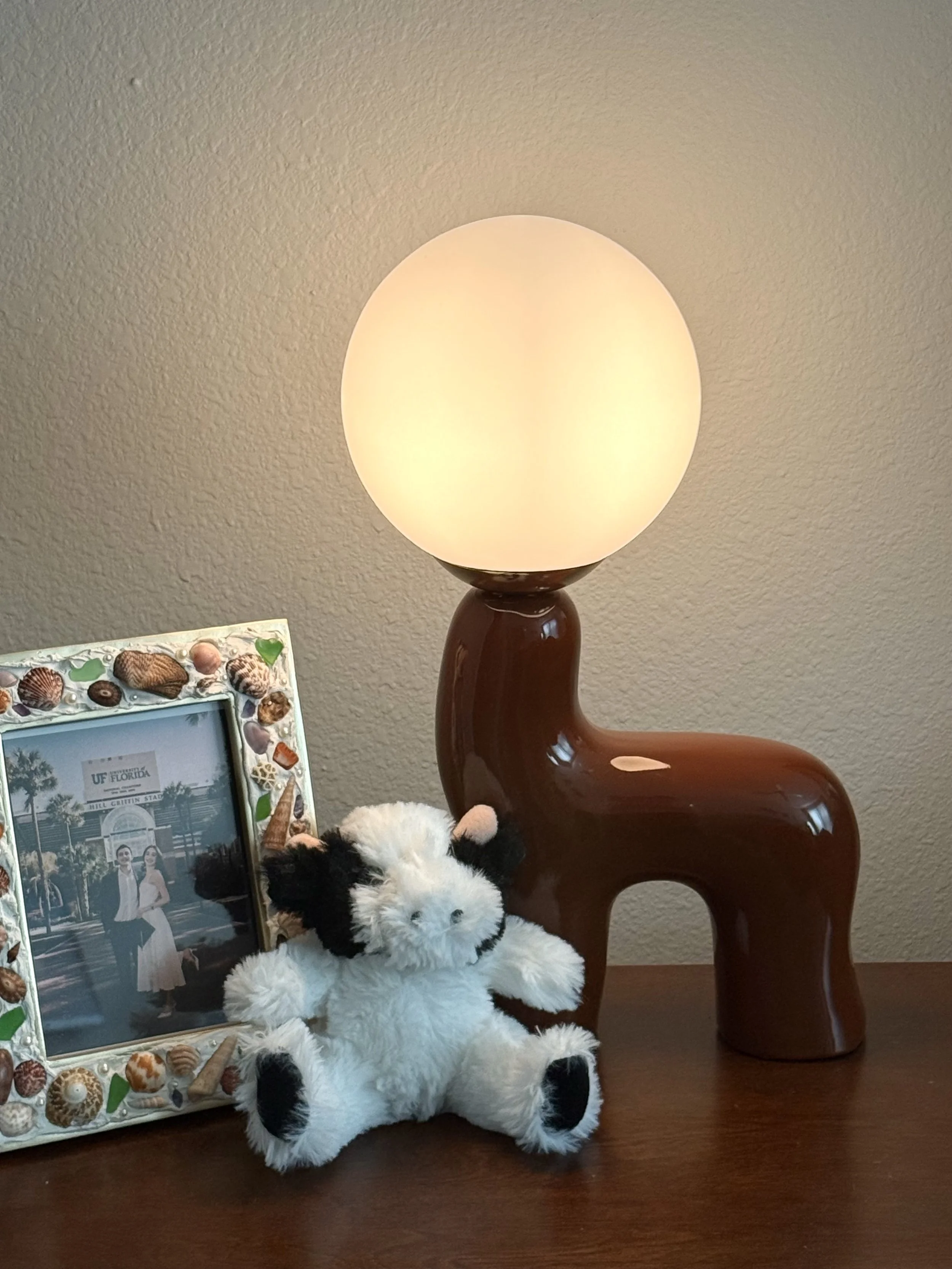
Image Courtesy of Elle Powers
Maybe imaginary friends were never really about inventing someone else. Maybe they were rehearsal for becoming your own company. That sounds dangerously close to a lesson, and I distrust lessons on principle—especially the kind that arrive neatly packaged at the end of personal essays. I am not going to tell you that I have conquered solitude. I still prefer a crowded table. I still call people while driving. I still occasionally hear a noise after midnight and, very quickly, become a believer in the paranormal. But my new apartment no longer feels empty when I walk into it. It feels inhabited. I complain to the air conditioner. It’s too cold! Too hot! I negotiate a temporary truce with Civil Procedure. And then, somewhere in the middle of all that noise, I remember that I am alone, but no longer lonely.
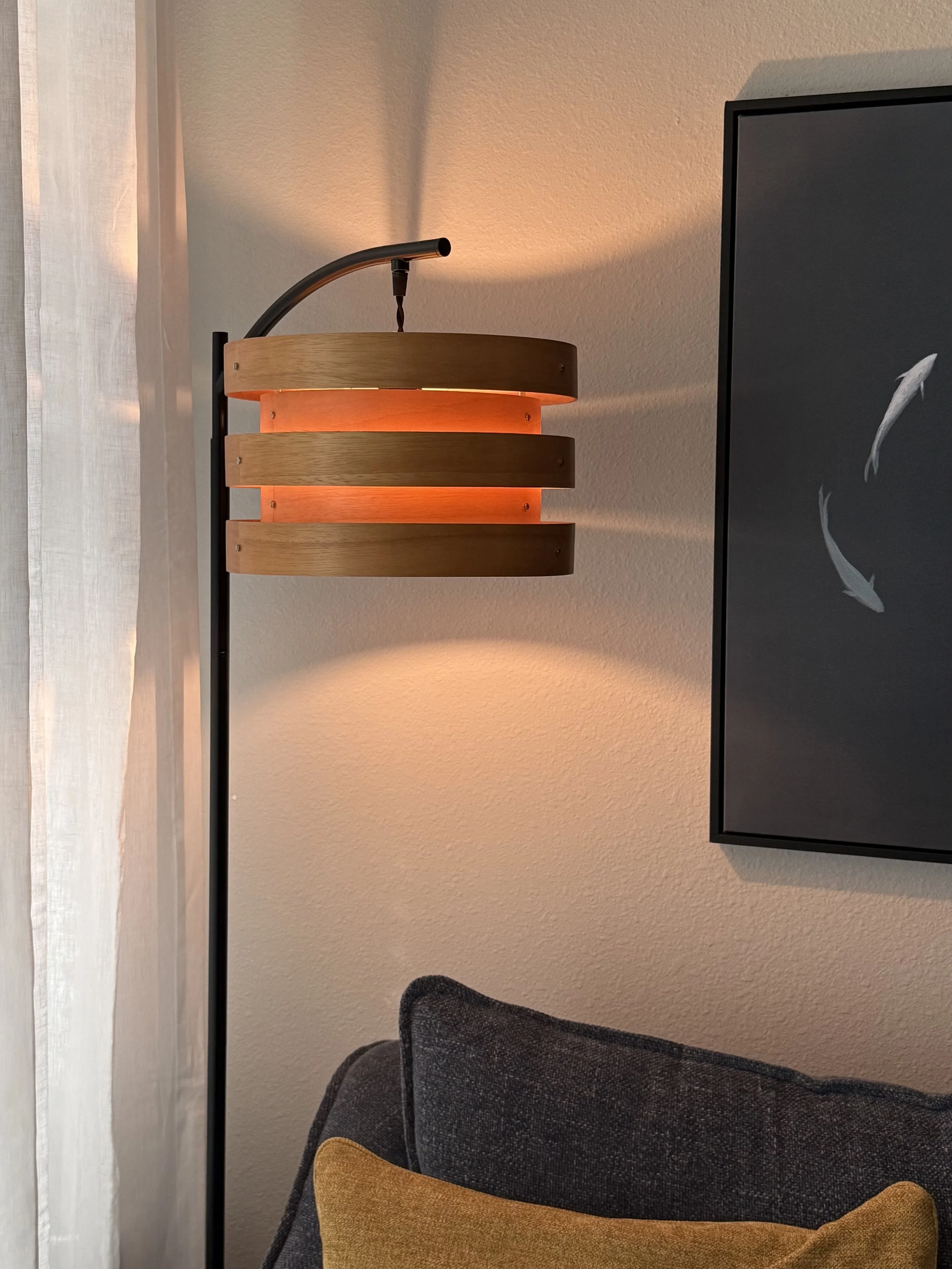
Image Courtesy of Elle Powers
Strike Out,
Writer: Elle Powers
Editor: Ria Pai
Copy Editor: Gabriel Gonzalez Marino
Elle (LE) Powers, possibly but not provably related to Austin, is an editorial writer for Strike Magazine GNV and a first-year law student developing a concerningly dependent relationship with OneNote. Want to talk music, books, photography, or the art of the perfect Instagram post, or just need someone to commiserate with about law school? Find her at talking her lamp through Property law, @elle__powers, or spot yourself candidly on @ellesdigidiary.
