On Szilveszter Makó
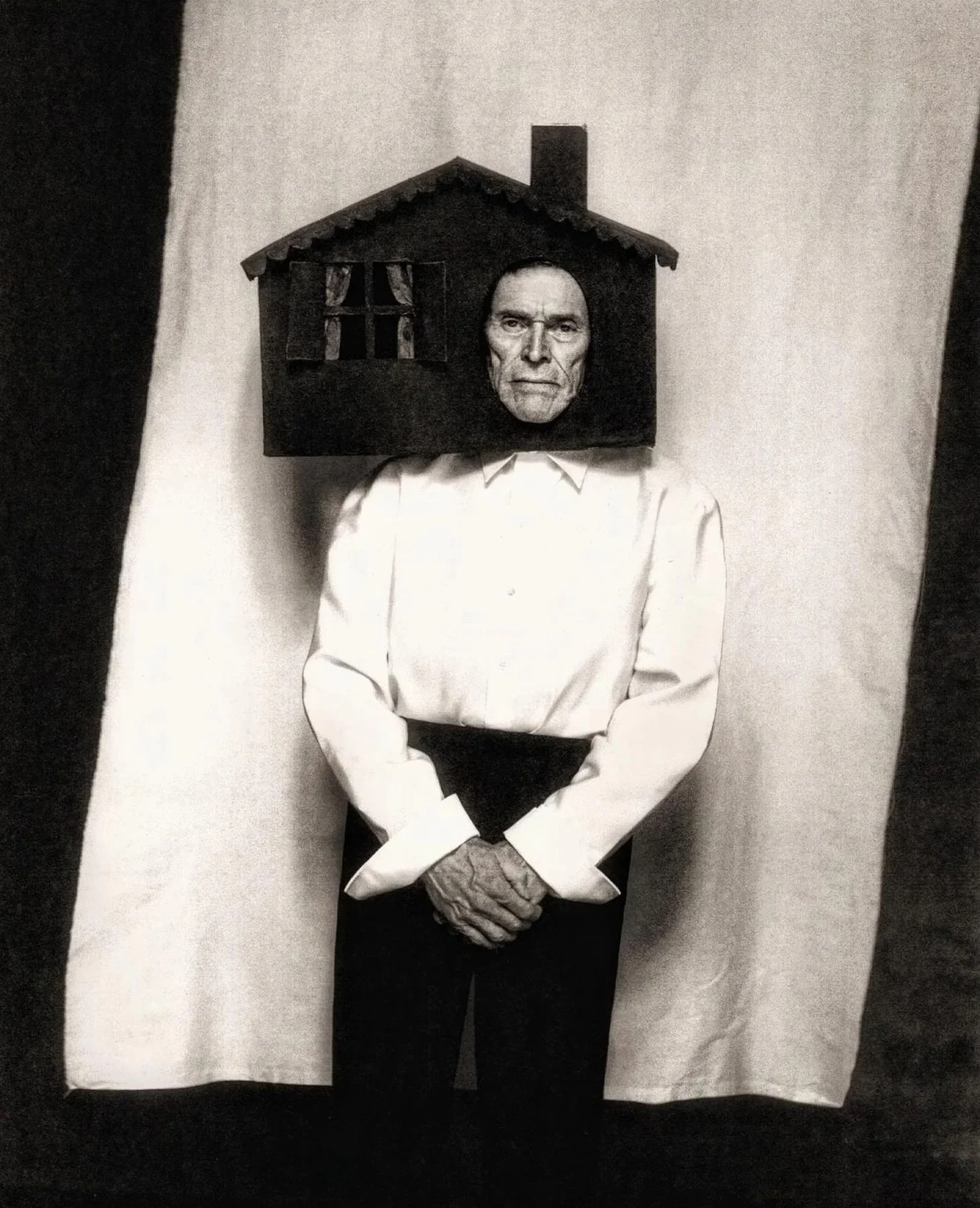
Willem Dafoe shot by Szilveszter Makó for GQ Italia | GQ Italia
Camp, theatrical, and yet natural are the photographs of Hungarian-born Szilveszter Makó. The distinguished photographer, Libra, and art director has shot for magazines like GQ Italia, Who What Wear, and The Cut; his most popular portraits being that of actor Willem Dafoe, actress Elle Fanning, and New York City’s First Lady Rama Duwaji. Makó is best known for his dreamy, surreal portraits that highlight the subject in the most interesting way possible. Oftentimes highlighting his host in geometric shapes– most notably the cube– Makó guarantees a compelling image. His intricate use of natural lighting, as well as hand built sets and props that decorate his portraits are facets of his portraiture that render Makó’s work unparalleled. His unapologetic images take us back in time– emulating surrealist paintings, textured and beautifully lit, Makó shows us what creative photography looks like in the modern age.
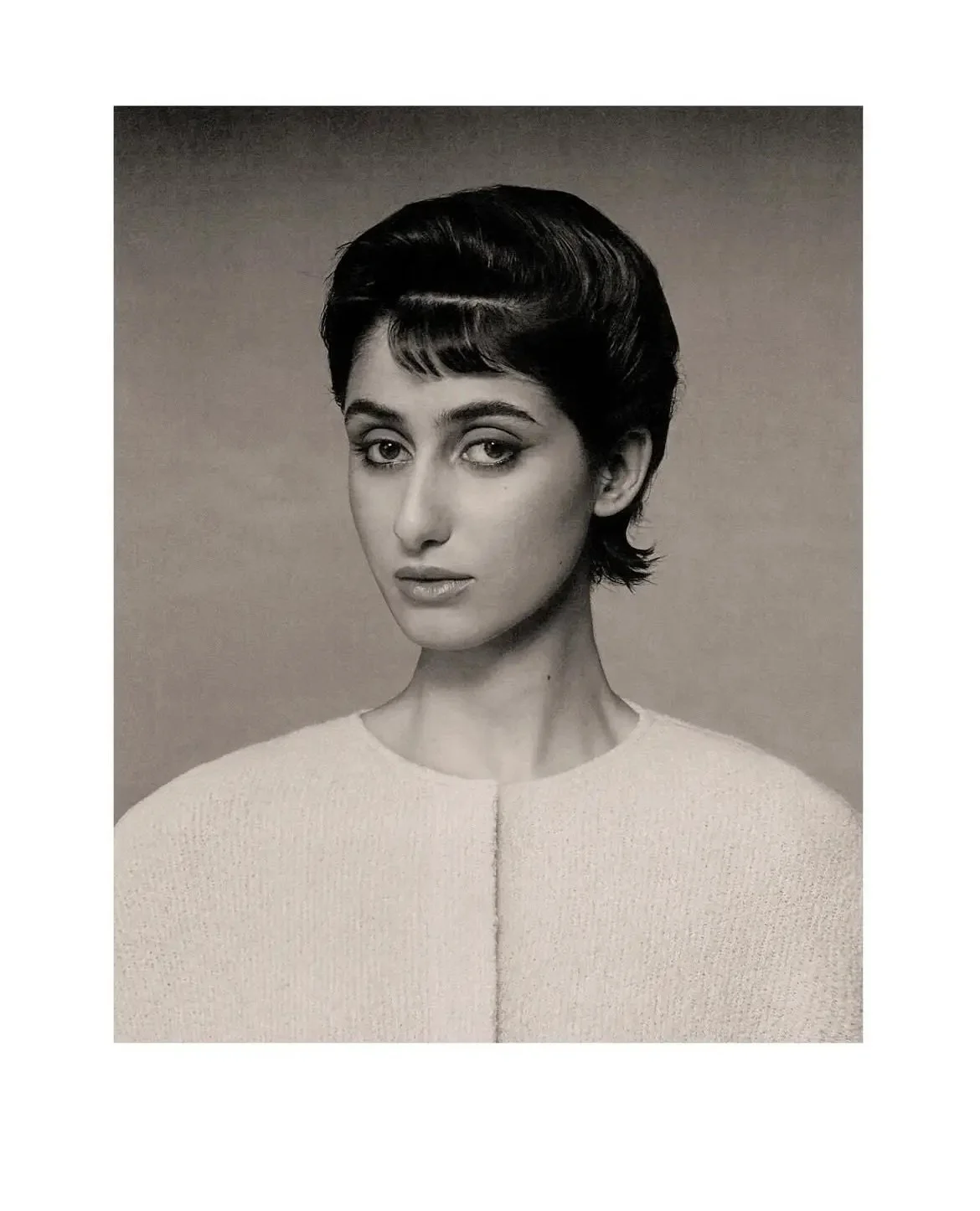
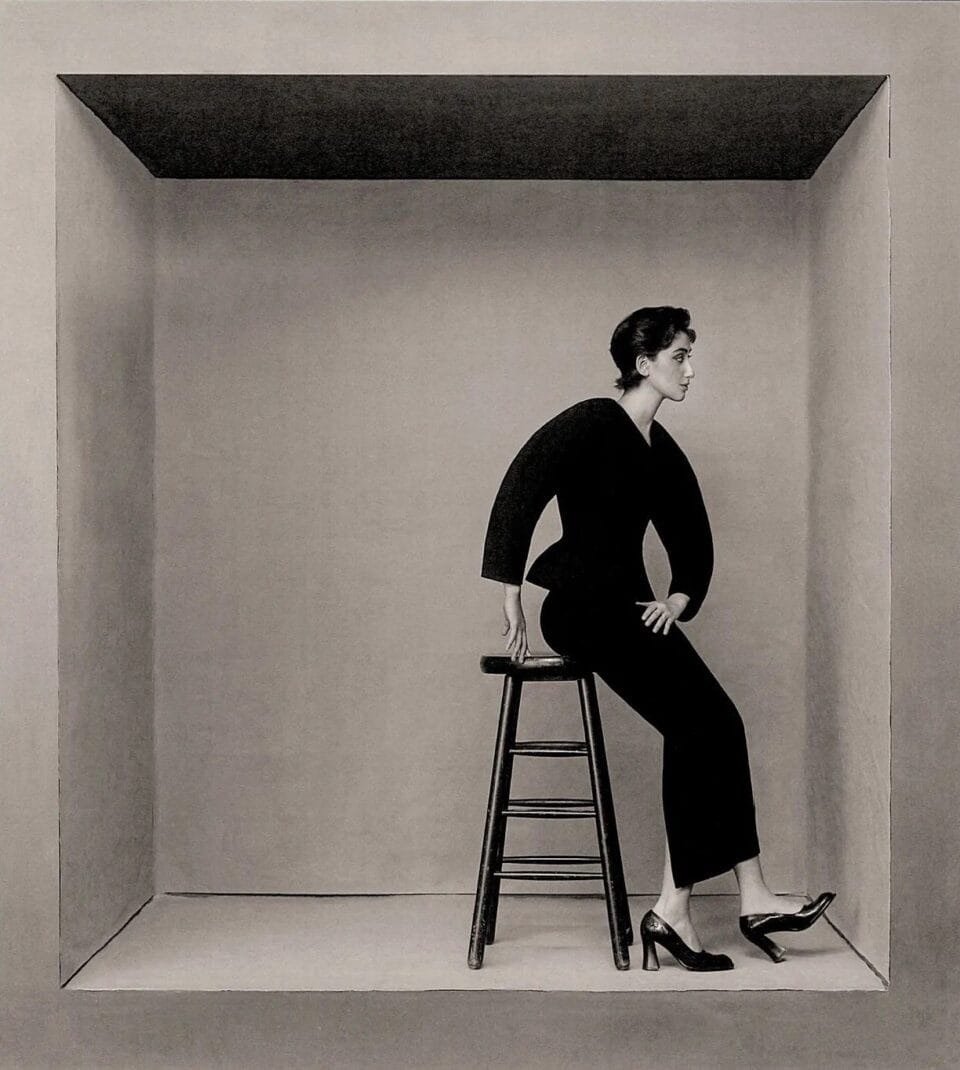
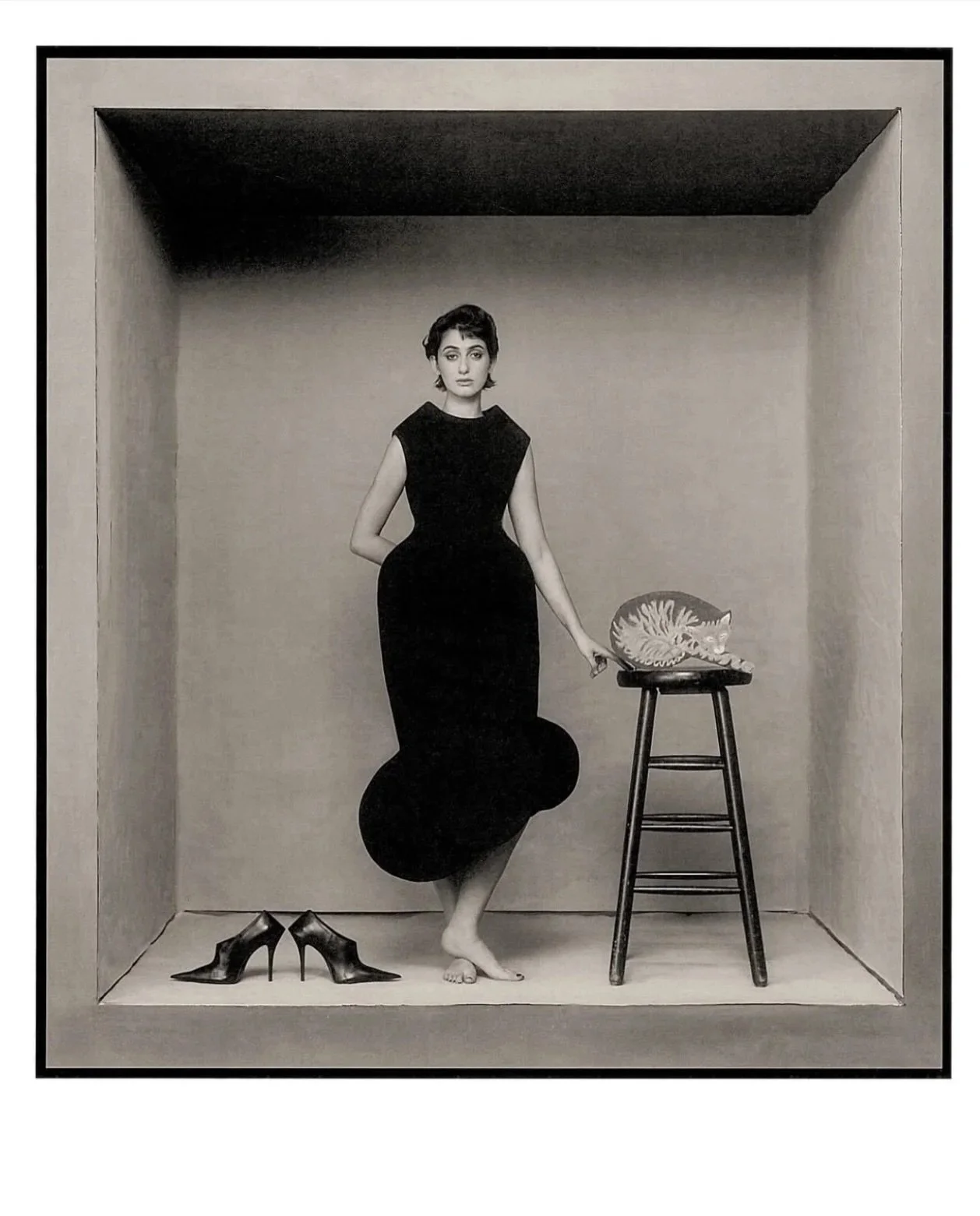
Rama Dumaji shot by Szilveszter Makó for The Cut | The Cut
In 2024 Szilveszter Makó took to WePresent to speak about his artistic process. Though the photographer kept his strategies close to his chest– a good magician should never reveal his secrets– he shared his love for natural materials. In this interview with Claire Marie Healy, Makó dives deep into his affection for natural lighting… he says “Without my natural light, I start to sweat[.]” He reveals his utter enamoration with analog photography and old school retouching techniques to Healy– these strategies being what makes Makó’s work feel so tangible and true whilst still retaining that extraordinary air.
Makó is so married to the analog that his sets and pieces are all made by hand. In creating these pieces– the houses encasing Willem Dafoe and Cate Blanchett, the large, flaming fork held by Elle Fanning– Makó ensures that his portraits hold on tight to their surrealist blankets. Makó dates the beginning of his interest in art to his early schooling– “It was so close to nature, we did so many arts and crafts, and we learned languages like Ancient Greek and Latin. It provided a very interesting point of view on today’s world.” This naturalness and hands-on action that Makó often expresses in regards to his personal life is so evident through the portraits he fashions… Having such neutral, natural colors take the center, with his subjects in an almost uncanny pose emanates the dreamlike state the portraits so often carry with them.
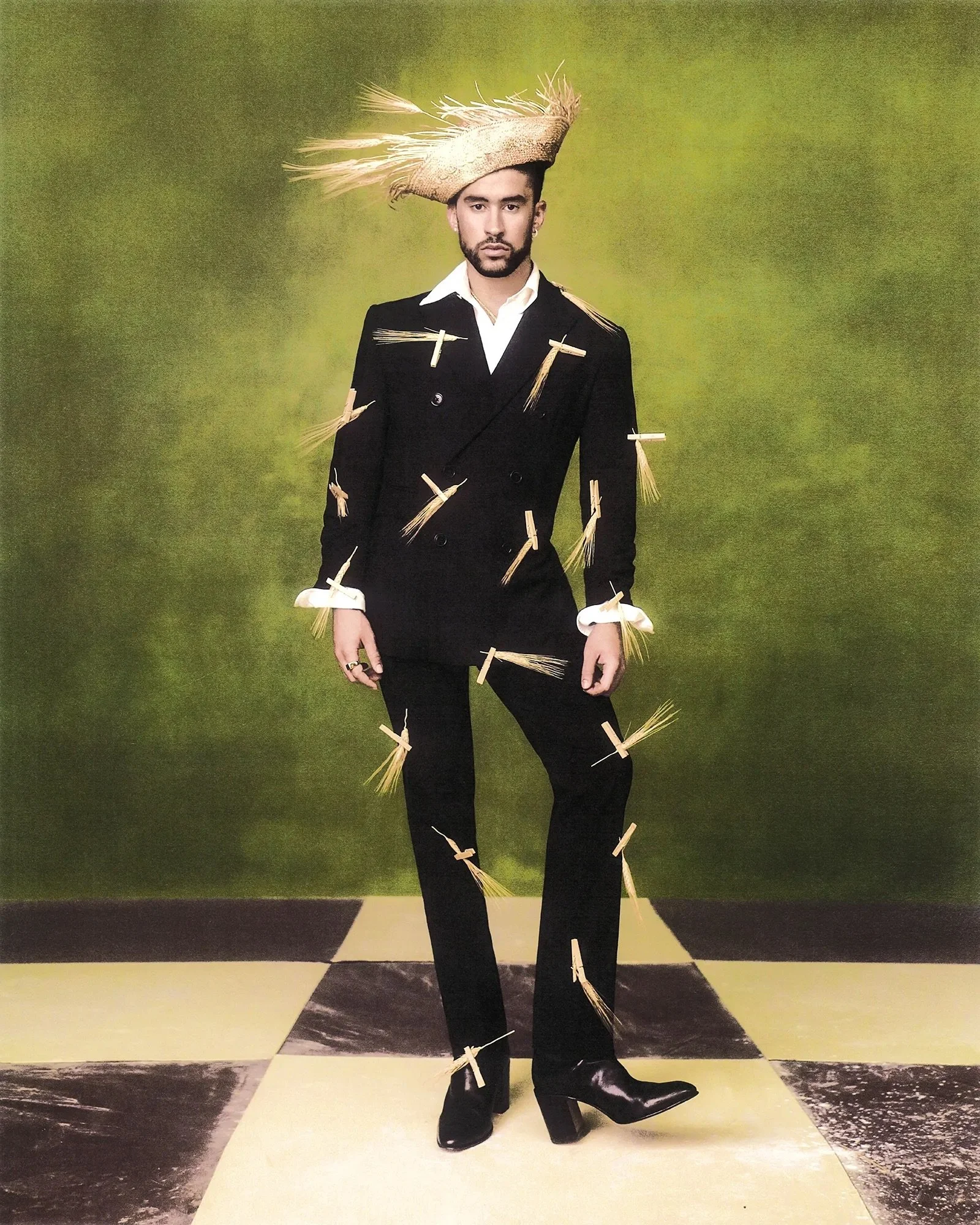
Bad Bunny shot by Szilveszter Makó for Vanity Fair | Vanity Fair
Makó has been plain about his commitment to sustainability– many of Makó’s props and sets are made from recycled materials; that is cardboard, scrap fabric, etc. His mise en scène, truly, is what makes a Makó photograph so clearly Makó… from the bold yet classic environments he sets his subjects in, to the sculptural and dramatic clothing– all of the details of these photographs only work to further emphasize the je ne se quois of Makó. These incredible portraits are reminiscent of paintings in the way that they sit so classically and yet provocatively. Makó, seemingly, is taking inspiration from great painters, which of them is yet a mystery however, I presume (and this is simply due to the works sparking these similarities for me) Rene Magritte, Frida Kahlo, and Salvador Dali are on his moodboard. I mention these artists directly because Szilveszter Makó’s devotion to weirdness and Kafkaesque imagery draws, for me, a line between them.
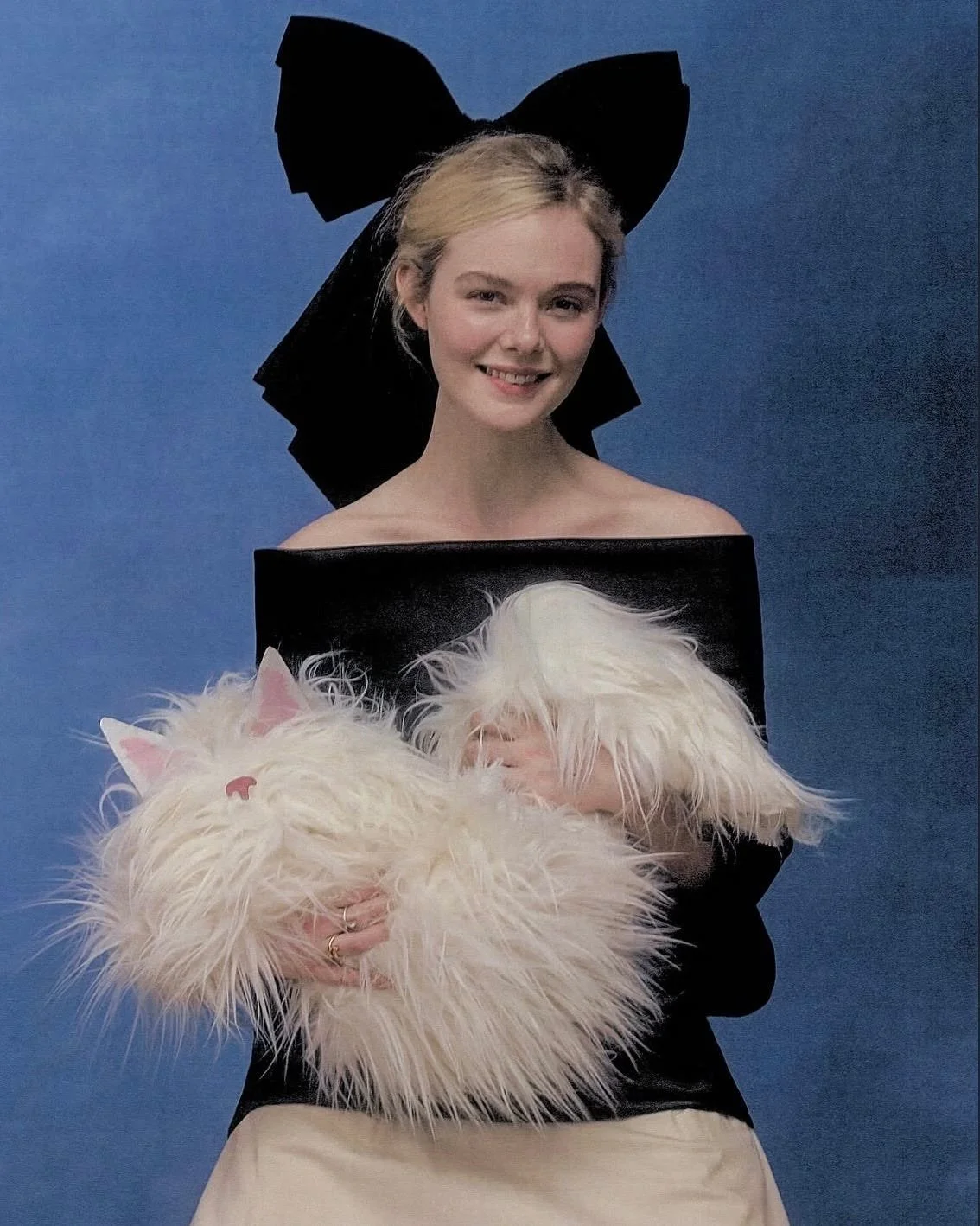
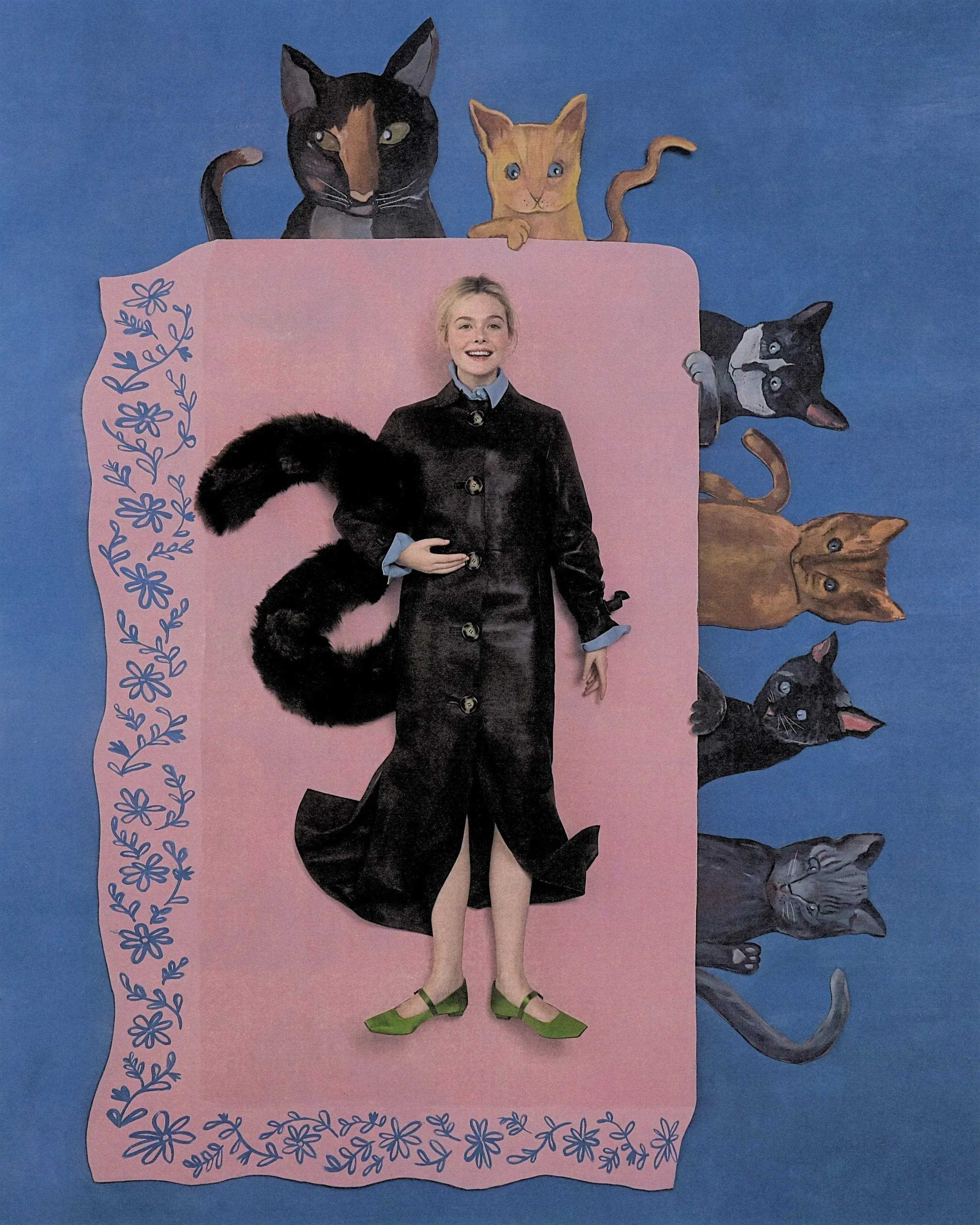
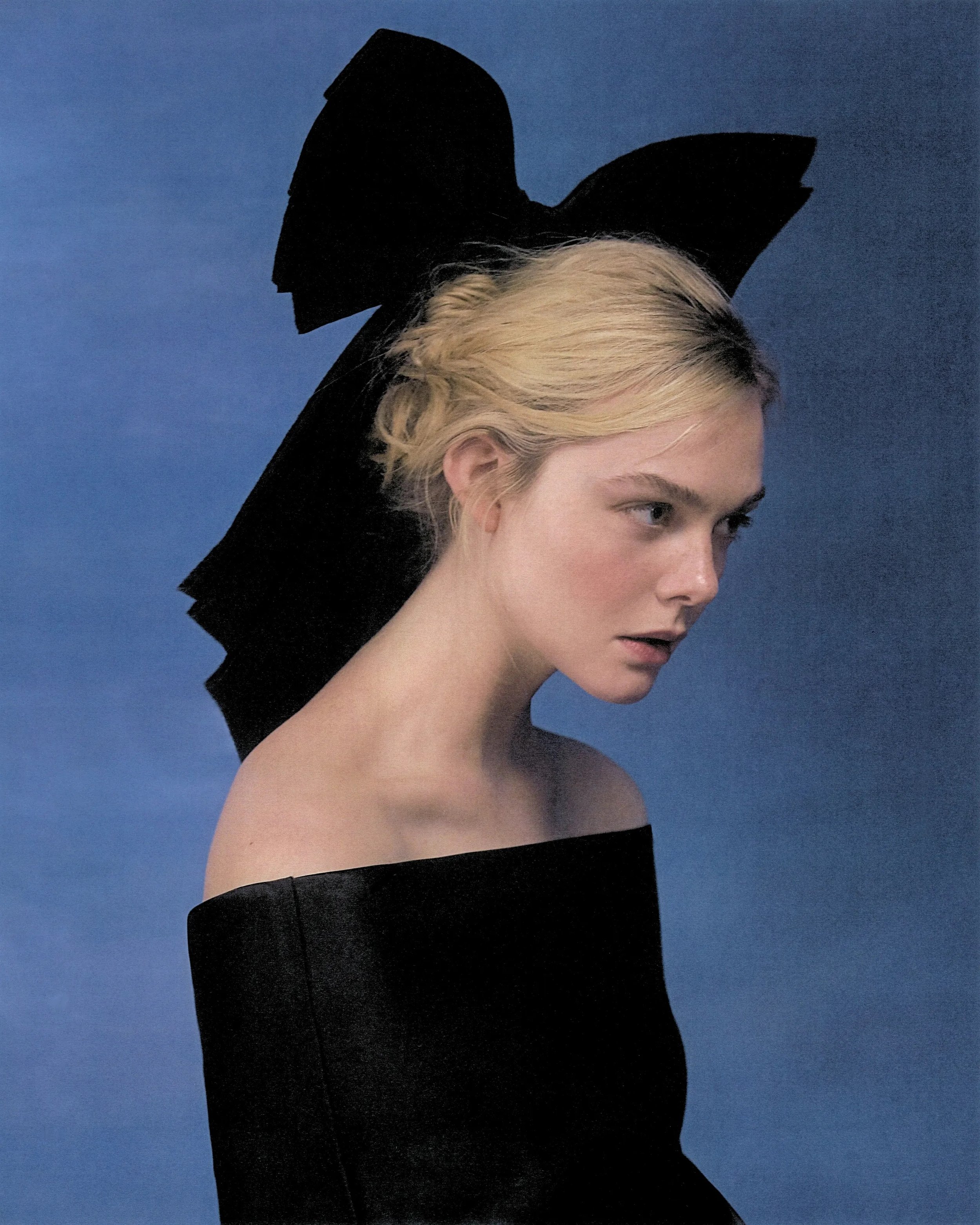
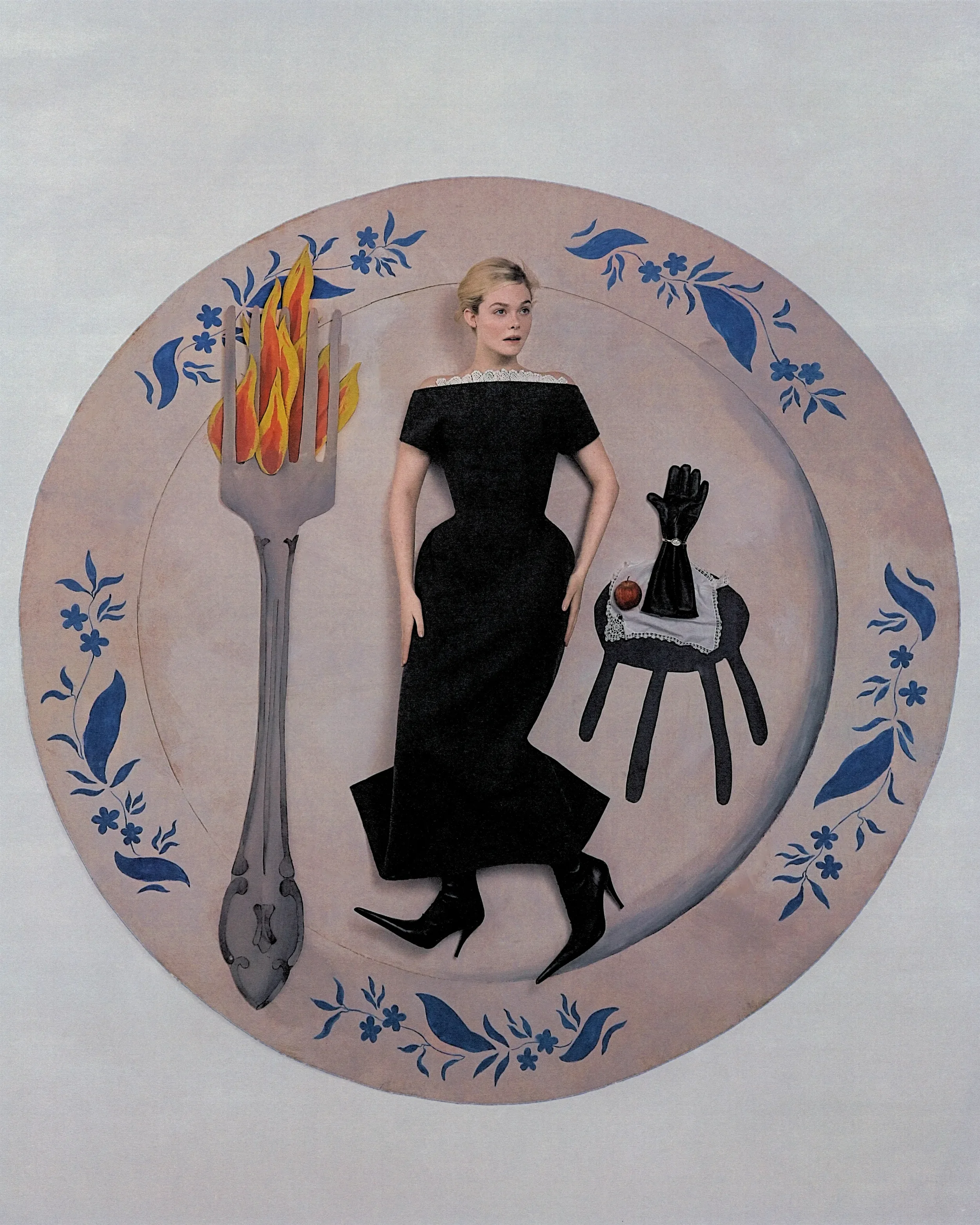
Elle Fanning shot by Szilveszter Makó for Who What Wear | Who What Wear
Clearly, Szilveszter Makó is not only in the business of portraiture, but the business of reconstructing the boundaries of photography. Envelope pusher Makó’s work tows the line between Modern Renaissance and dreamlike realms where the imagination is unfettered, unpredictable, and unbridled. Often highlighting pieces from iconic fashion houses like Schiaparelli, Maison Margiela, Prada, and Loewe, every single piece of Makó’s work, from the fashion to the lighting is intentional. Szilveszter Makó creates worlds with his photographs– he transports us to his world, a realm where rules don’t matter, and everything collides.
Strike Out,
Anett Martin Sosa
Miami
Anett "Ani" Martin Sosa is a Senior student at Florida International University, pursuing a Bachelor’s degree in Writing & Rhetoric with minors in Communications and Marketing. Ani highlights fashion, art, Miami, and more in her short stories, poems, and personal essays. Her writing has been featured on the Strike Miami Blog, as well as Strike Miami's i08 and i09- she is most influenced by David Lynch, Joan Didion, literary horror, and surrealist art, which she explores on her Substack blog ‘Booksmart.’