
Queer Cinema: Where’s the happy ending?
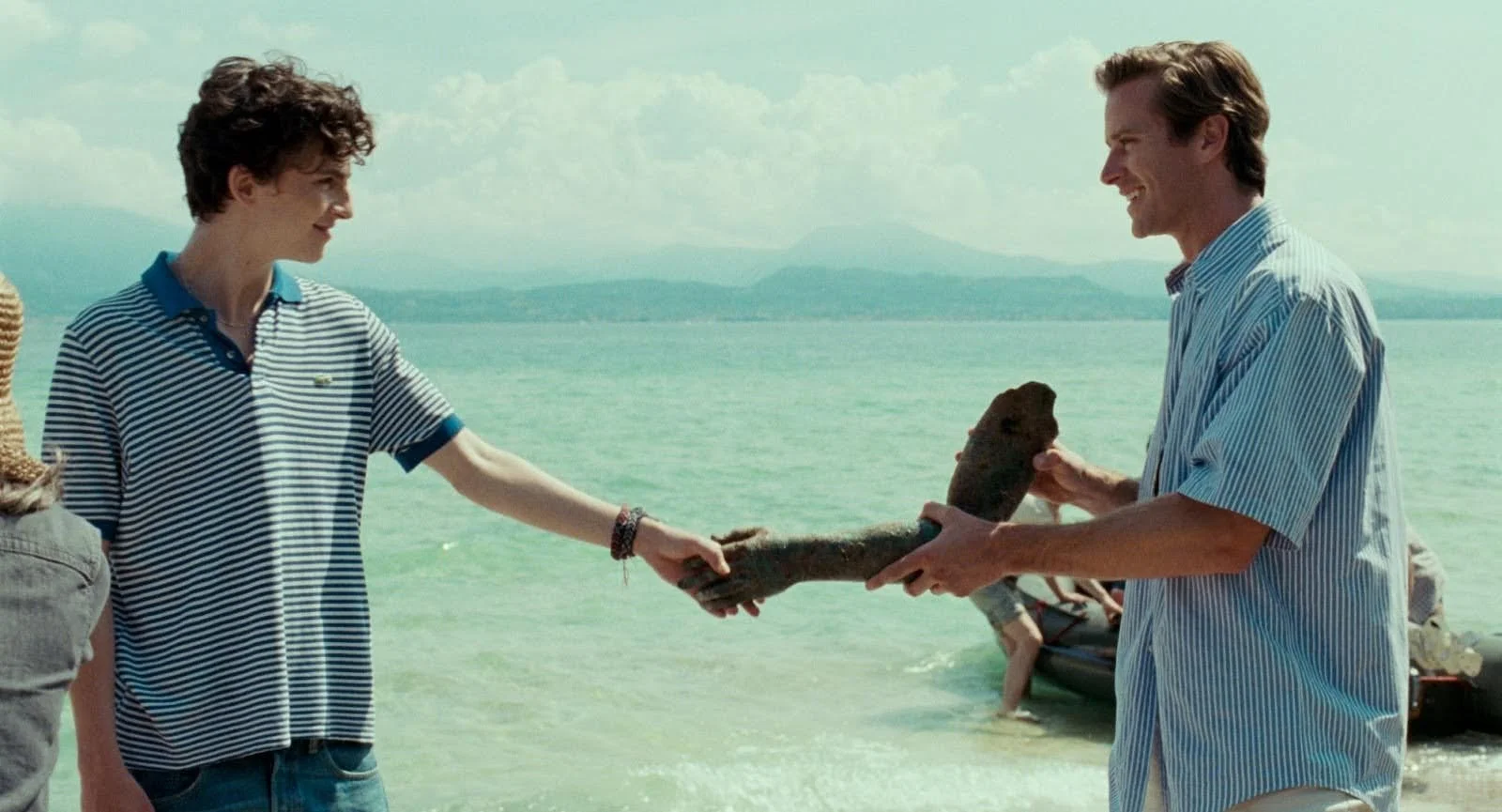
Photo Courtesy: IMDb
Almost every popular queer book, film and TV show I’ve consumed has had a tragic ending. To start, “Call Me by Your Name,” which has quite a rough plot. Set in 1980s Italy, we are first introduced to Elio and Oliver, who are both bisexual men. Their story is the absolute definition of the “right person, wrong time” archetype. As a slow burn blossoms between the two, they quickly realize their time together is coming to a close after just a few short weeks in the summertime. Devastatingly, the audience witnesses Elio get left behind in Italy as his lover boards a train to begin his travels back to America. Then, to add insult to injury, Elio later receives a call notifying him of his ex-lover’s new marriage to a woman. Well! A bit of a damper.
Let’s take a look at a different film: “Brokeback Mountain.” Again, featuring the story of two bisexual men, who are this time cowboys in 1960s Wyoming. This film didn’t follow 2000s Hollywood’s typical playbook by putting a gay couple in theaters across the nation. However, the couple’s relationship in the film is complicated by the conservative standards set in the 1960s, and only further knotted when they both get married to their girlfriends. There is no happy ending for these two, as one passes only for the other to be left pondering what could’ve been.
There’s a recurring theme among these movies, clearly.
However, ironically enough, the first queer film I ever saw concluded happily. “Love, Simon,” although it had a pretty narrow view of queerness in comparison to such a large spectrum of sexuality and gender, was a first of its kind. With Simon, an openly gay character, being the protagonist, the film sends an important message within his opening monologue:
“I’m just like you. I have a totally, perfectly normal life.”
I believe that “Love, Simon”was an important stepping stone that made room for other queer films to become mainstream. It was perfectly crafted to make a queer main character palatable for a straight audience. How so, you may ask? By making it into a rom-com! This has been the framework for an ample amount of blockbuster romances, pretty much always featuring heterosexual couples front and center—with an occasional “gay best friend” trope on the sidelines for diversity.
If the “happy ending” could work for “Love, Simon”to gather popularity, why can’t it work for other queer media? Are queer main characters destined for tragedy?
These somber endings aren’t far-and-few for straight romances: “Casablanca,” “Romeo + Juliet,” “La La Land,” the list goes on. But there’s plenty of other delightful romances to counteract these. As far as queer cinema goes, not much to be found.
Here’s my theory: for centuries, queer people have had unhappy endings shoved down their throats after being forced to remain in the closet and being struck down with spewing hatred alongside other various disappointing situations. With this being the only outcome foreseen by queer people for so long, it has translated into our storytelling. Even now, homophobia is still alive. Some individuals still have a distaste for queer people. We must remember, there is so much love to go in hand with this.
Now, good things are possible in the lives of real queer people. So can there be happy endings for queer characters in film as well?
Strike Out,
Nathaniel Cooper
Editor: Sydney Annis
Athens