Riffs and Riots
Patriotic, hard-working, individualistic, and social order–just a few examples of traditional American values. For many, this lifestyle is seen as constrictive and simply too “dyed-in-the-wool.” Music has acted as a strong force against the rise of conservatism and authoritarianism in the U.S. for decades. The eras of counterculture music reflect how music continued to be used as a form of protest in modern society.
Counterculture is something that goes against the societal norm. Counterculture music goes into opposition with mainstream music and serves as a political and societal protest. Challenging the status quo through lyrics sends a strong and clear message to those who have long waited to hear their beliefs said aloud and put into art.
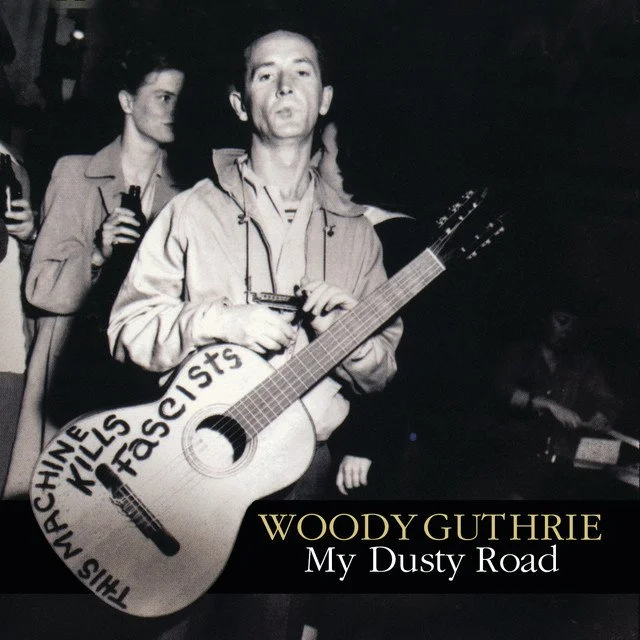
In 1943, Woody Guthrie created the slogan “This Machine Kills Fascists," and wrote it on most/all of his guitars. Guthrie was a central figure in American folk music. In his songs, he often criticized capitalism and property ownership, and became a pioneer for counterculture music.
“Tear the Fascists Down,” and “This Land is Your Land,” are controversial songs that criticize the U.S. government. This early counterculture movement was the foundation for future movements to come. Here’s one of my favorite verses from “Tear the Fascists Down.”
I walked up on a mountain in the middle of the sky /
Could see every farm and every town /
I could see all the people in this whole wide world /
That's a union that'll tear the fascists down, down, down
1960s
The 1960s was marked by various social movements including a counterculture movement which was focused on an alternative approach to life. Living “casual” and “free” lifestyles such as communal living, drug-use, and folk music. Many referred to these individuals as Hippies.
In the 60s, there was a major issue with exploitative labor. Migrant workers were faced with harsh conditions due to the Bracero Program that was previously established in 1942. The Bracero Program brought Mexican migrants to work in the U.S. so they had to pay cheaper wages. Laborers however, endured poor working conditions such as exposure to chemicals and deducted pay for room and board.
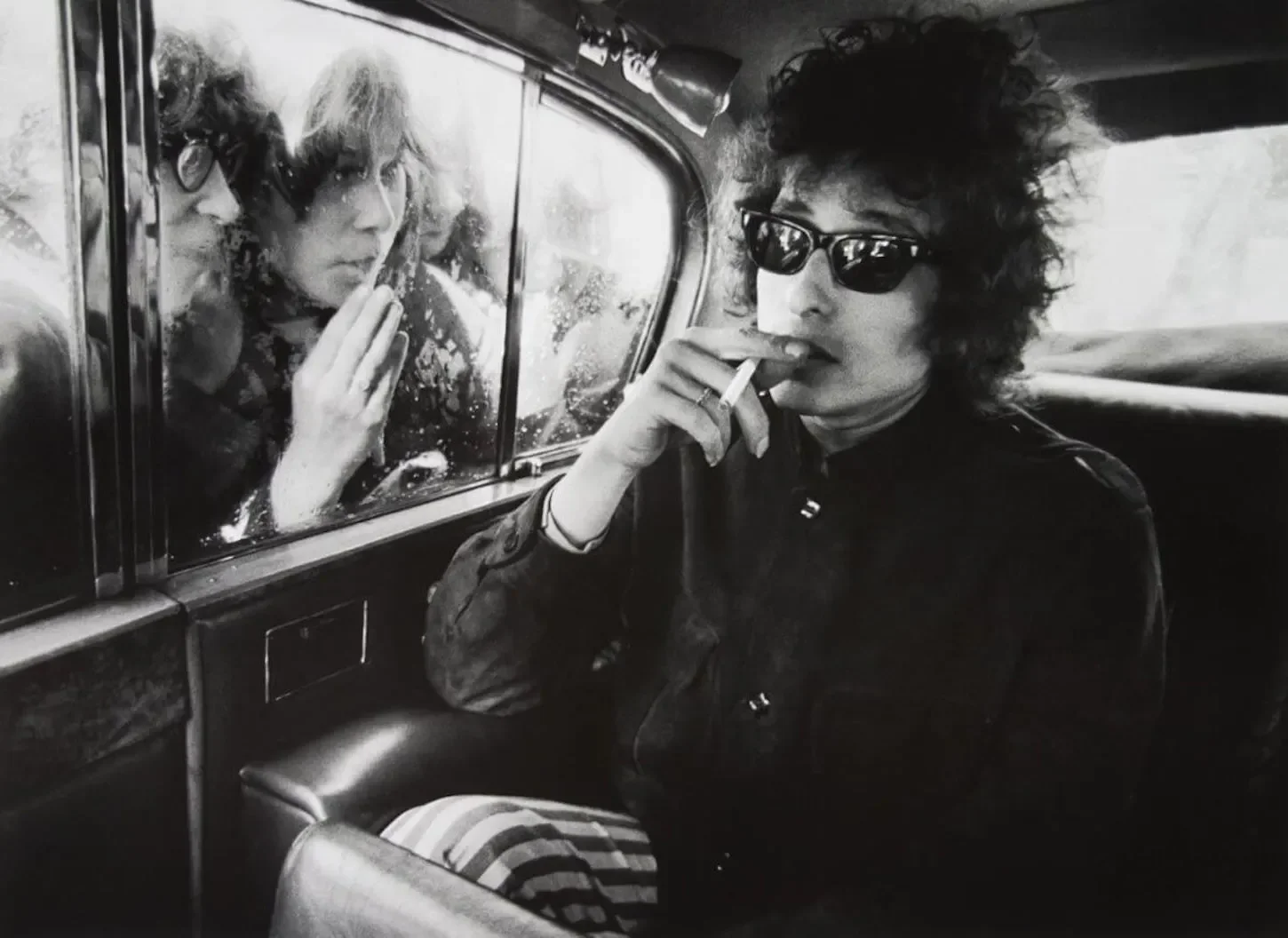
In 1965, Bob Dylan released “Maggie’s Farm,” which struck close to home with many of those in a counterculture movement. The lyric: “I ain’t gonna work on Maggie’s Farm no more.” This symbolized a rebellion against conformity and exploitative labor.
1980s
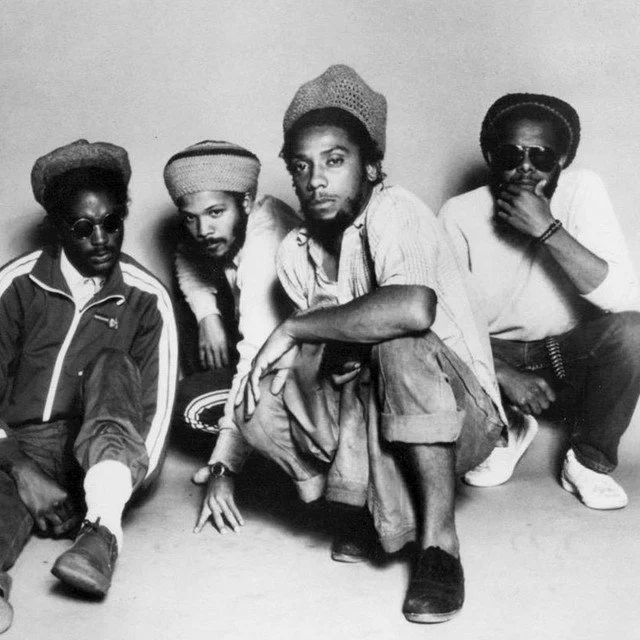
Image: Spotify
The rise of New Wave, Punk, Goth, and hip-pop was prominent during the 80s. This challenged the “Reagan-era” where conservatism was dominant. These movements stepped away from the mainstream and emphasized individualism. Being unique and not “in the norm” was primarily part of the Punk and Goth movements.
DIY culture was huge during this time. Punks made their own clothes and jewelry (i.e. leather jackets with patches) , performed at DIY venues; Goths used unconventional items to do their makeup (i.e. using cornstarch or baby powder in place of foundation). These practices are still utilized in counterculture movements we see today.
1990s

“F**k you…….That’s Why” is a punk song that greatly reflects the 1980s political climate which is closely related to politics today. The song is a largely satirical piece that criticizes the Bill Clinton administration passing laws that seek to control people.
“Throw your helmet in the fire and go to school in gang attire”
This line is a metaphor for rebellion, signifying breaking the rules by not fitting in.
2010-2020s
Many of these music subcultures are still popular today and are being kept alive by teenagers and young adults thanks to older generations and the internet.
Due to modern American society being considerably more accepting and accessible, fashion in countercultures aren't as shocking as they were back then.
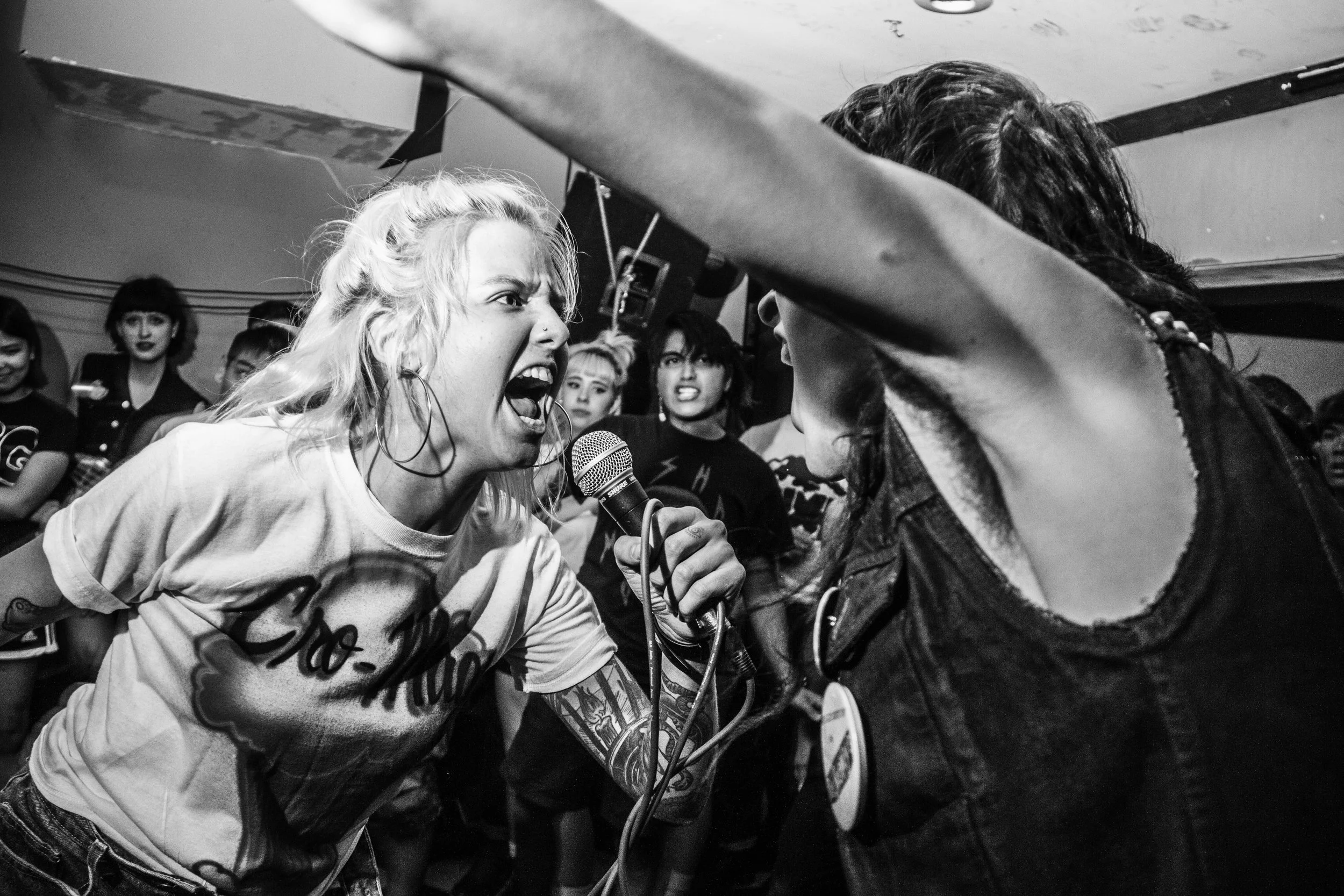
Image: The Phoblographer
Today, many DIY communities are thriving. From underground raves to local punk shows, DIY culture thrives in grassroots over success.
As someone who considers themselves a part of modern counterculture, knowing the long history that came before me inspired me heavily. I began to go to local punk shows and goth in early high school. Being surrounded by people who shared the same values as me has empowered me and my beliefs in the long run.
Having individualistic beliefs and stances in today’s society are more prevalent than ever. The fact that people can come together to protest through music gives me hope for what future generations can achieve.
Strike out,
Helen Capote
Miami
Helen Capote is a student at Florida International University, majoring in Social Work and Journalism. Helen's work is investigative and culture-focused, exploring societal subcultures. Her writing has been featured onHerCampus, PantherNOW, and she self-publishes on Substack. In her free time, she makes zines, volunteers at advocacy-focused organizations, and participates in the local music scene.