
Rolling Loud 2026 and the Evolution of Rap Music
Image Courtesy: Pinterest
Rap isn’t fading—it’s evolving—and Rolling Loud 2026 makes that impossible to ignore. When the festival revealed its lineup for its sole Orlando date, backlash flooded social media almost immediately. Fans criticized the roster for having too many unfamiliar names and too few established stars, while others compared it to earlier years like 2017, 2020, and 2023, arguing that the festival’s budget had dropped and that the lineup failed to feel “generational.” Many also claimed the festival had “fallen off,” pointing to the absence of traditional headliners as proof that Rolling Loud had lost its edge. Much of the frustration stemmed from nostalgia, with listeners longing for an era defined by now-canonized artists and clearer cultural moments.
Yet that reaction overlooks what Rolling Loud has always represented: a snapshot of rap in real time. The festival didn’t abandon hip-hop’s identity; it met it exactly where the genre stands today. Rap is currently fragmented, experimental, and driven by online communities rather than traditional gatekeepers, with emerging artists building momentum through niche fanbases instead of mainstream pipelines. What some interpret as decline is actually a transition. Rolling Loud reflects a scene in flux, one still discovering its next defining voices as it moves beyond the sounds and stars of the past.
For more than a decade, Rolling Loud has served as rap’s largest global stage, a launching pad where emerging artists collide with superstars and careers begin long before they dominate headlines. It’s easy to look back at earlier lineups and call them “legendary,” but that’s only because we already know how those stories end. At the time, those bookings were risks, centered on artists who were still building audiences, experimenting with sound, and finding their footing.
Take Playboi Carti. He first gained traction through SoundCloud and niche online communities before slowly breaking into the mainstream with studio albums. Even his turning point, the album Whole Lotta Red, was widely criticized when it dropped for being too abrasive and unconventional. It wasn’t until years later, helped by performances like his 2023 Rolling Loud set, that the album was recontextualized and embraced. That trajectory matters because it mirrors what’s happening now.
So when this year’s lineup feels unfamiliar or confusing, that reaction makes sense, and it’s exactly the point. Rolling Loud has always reflected rap in transition, showcasing artists who are still in their early chapters and building momentum in real time. We remember past years as “stacked” only because we already know how those stories end. Those artists went on to headline festivals, influence sound, and reshape the genre. What feels uncertain now only feels that way because we’re watching it unfold without closure. Rap has always moved like this: new sounds arrive quietly, new faces feel strange, and over time, entire eras are defined.
Image Courtesy: Pinterest
That sense of transition becomes clearer when you look at this year’s underground presence at Rolling Loud. Artists like OsamaSon, Che, and Nine Vicious represent a new model of growth: careers built through SoundCloud uploads, TikTok traction, and tightly knit online communities where fans actively seek out what feels niche and undiscovered. Earlier generations followed a similar path. Playboi Carti first gained momentum on SoundCloud before breaking into the mainstream, but today that process moves faster, driven by algorithms, Discord servers, and viral edits. Their music doesn’t rely on radio or traditional press; it spreads through feeds and group chats, powered by listeners who want to be part of an emerging underground. Rolling Loud reflects that shift, showcasing artists still in motion, building audiences in real time the same way past generations once did, just on different platforms.
OsamaSon is one of the clearest examples of how underground momentum now accelerates in real time. Just a year ago, his music circulated mostly through SoundCloud and niche online spaces, where listeners gravitated toward his distorted production and aggressive delivery, qualities that sparked comparisons to Playboi Carti’s Opium label, which houses artists like Ken Carson and Destroy Lonely. His breakout came when “CTS-V” gained traction on TikTok, followed by the viral “Osama walk” trend, sparked by a casual walking video that fans began remixing and recreating over his music. As those clips spread, OsamaSon leaned into a darker, more abrasive sound, which brought both increased visibility and “Carti clone” allegations. Projects like Flex Music and his most recent album psykotic solidified his place in the underground wave. Viral edits, algorithmic discovery, and fan-driven trends pushed his name far beyond niche communities, ultimately landing him high on a major festival lineup. His rise feels sudden only if you expect traditional career paths; in reality, it reflects how today’s underground moves, where attention compounds fast and artists build influence long before mainstream culture catches up.
Sonically, today’s underground rap marks a clear shift from the 2018–2020 era. Where earlier breakout artists leaned melodic and trap-centered, this wave favors abrasion and experimentation, built on distorted bass, chaotic vocal delivery, unconventional song structures, and production influenced by rage, drill, hyperpop, and digital maximalism. The music prioritizes emotional intensity over polish and accessibility, making it less radio-oriented and more immersive, often an acquired taste for listeners accustomed to earlier mainstream sounds.
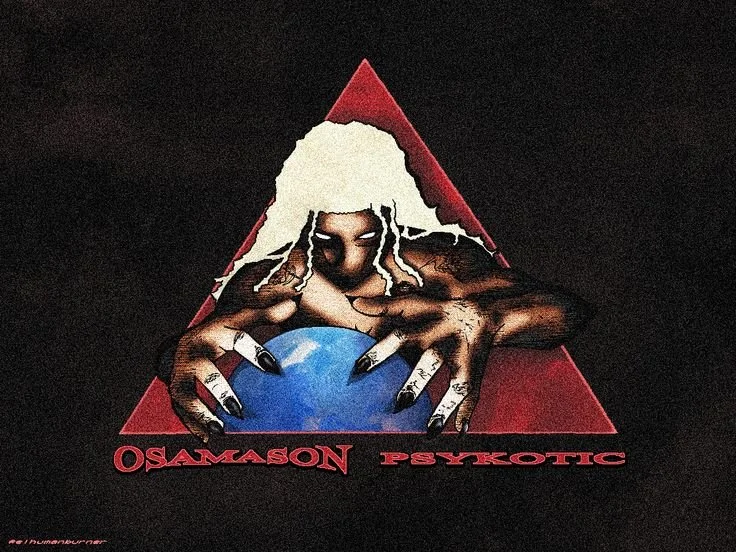
Image Courtesy: Pinterest
That evolution isn’t limited to American artists. This year’s Rolling Loud lineup also gestures toward the UK underground, where artists like Fakemink and EsDeekid reflect a parallel shift happening overseas. Both first gained traction through UK SoundCloud circles before building momentum online, mirroring the same grassroots path seen in the U.S. underground. Sonically, their music leans into distorted production, aggressive delivery, and experimental structures, blending drill foundations with warped beats and ominous aesthetics. The sound is darker, more abrasive, and less concerned with mainstream appeal, echoing the rage-influenced, internet-driven energy shaping emerging artists stateside. Their placement high on the Rolling Loud lineup signals something larger: this abrasive underground sound is no longer on the margins. It represents rap’s current evolution, with new styles emerging globally and moving toward the center of the culture.
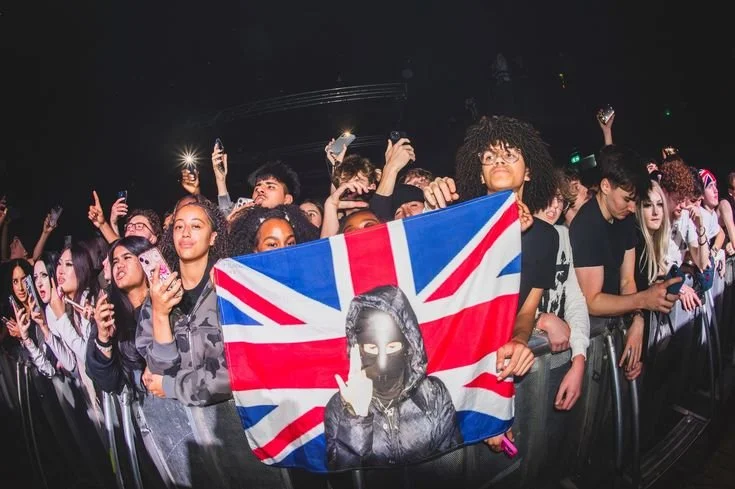
Image Courtesy: Pinterest
Older Rolling Loud lineups rewarded familiarity. Fans arrived already knowing the lyrics, aesthetics, and narratives; a big name on the poster confirmed what everyone agreed on. The 2026 lineup flips that dynamic, asking audiences to engage before the story is fully written. Being early means stepping into uncertainty. Without years of cultural reinforcement, you’re forced to form your own opinion in real time, which can feel uncomfortable; there’s no guarantee you’re witnessing greatness, only potential. That discomfort is often mistaken for a lack of quality, even though this is exactly how scenes take shape. Before becoming a defining figure, Playboi Carti was an emerging artist navigating online discourse and intimate venues, slowly shaping a sound that would later influence a generation and the underground. What feels unfamiliar now isn’t failure, it’s the first draft of what comes next.
What Rolling Loud is doing now is creating space for that same process to happen again. In a world where music is oversaturated, attention spans are fractured, and thousands of artists release songs daily into an endless digital stream, giving emerging voices a physical stage cuts through that noise in ways algorithms alone cannot. More importantly, it reflects how rap itself has evolved: discovery now happens online first, and festivals follow that momentum rather than manufacture it. Rolling Loud isn’t resisting that shift; it’s responding to it, translating digital influence into real-world visibility and signaling which sounds are moving from underground spaces into broader cultural focus.
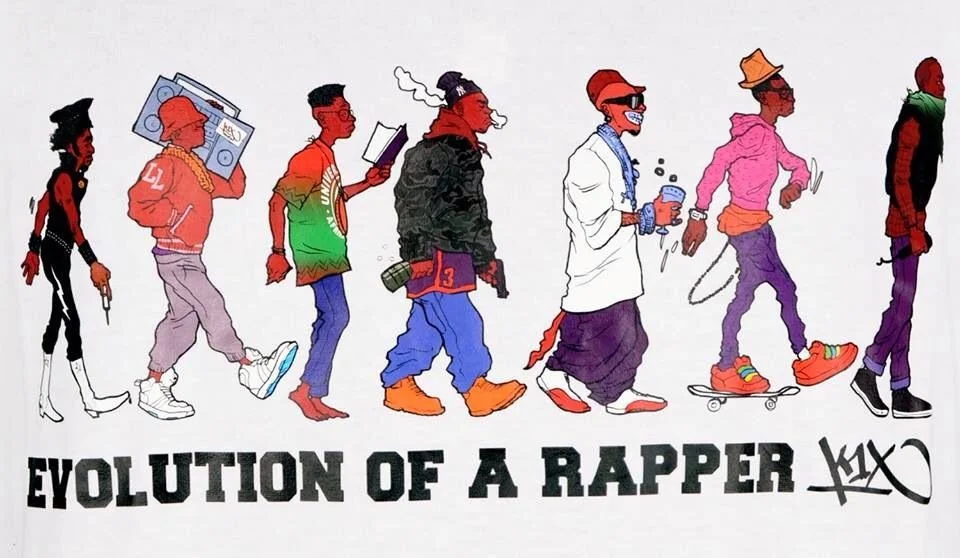
Image Courtesy: Pinterest
Rap has always been defined by movement. It survives through reinvention as scenes rise, fracture, and reform, sounds mutate, and each generation builds on what came before while rejecting parts of it. Every scene is built to be broken, and every sound is built to be replaced. Trying to freeze rap in 2017 is like trying to preserve youth forever; it misunderstands the genre’s nature. The backlash to Rolling Loud 2026 reflects resistance to that cycle of change. Trap evolved. SoundCloud evolved. Now the underground is evolving too, becoming more digital, more abrasive, and more globally connected. Rap reorganizes itself because that’s how it stays alive, and festivals like Rolling Loud have to move with it, not preserve the past, but make room for what’s emerging.
Rap reorganizes itself because that’s how it stays alive, and festivals have to evolve with it. What feels like decline is often just a transition. We’re comfortable celebrating artists after they’ve already arrived, but far less comfortable watching them become. Rolling Loud 2026 forces that confrontation, asking fans to listen without guarantees, to engage without nostalgia as a guide, and to sit with unfamiliarity. Maybe the lineup doesn’t lack stars, maybe we’ve just forgotten what it feels like to witness them forming. That may be exactly what rap needs right now.
Strike Out,
Writer: Alexia Cretoiu
Editors: Salette Cambra, Dani Hernandez
Graphic Designer: Ava Liuzzo
Tallahassee