Strut Your Stuff: The Evolutions of Catwalks
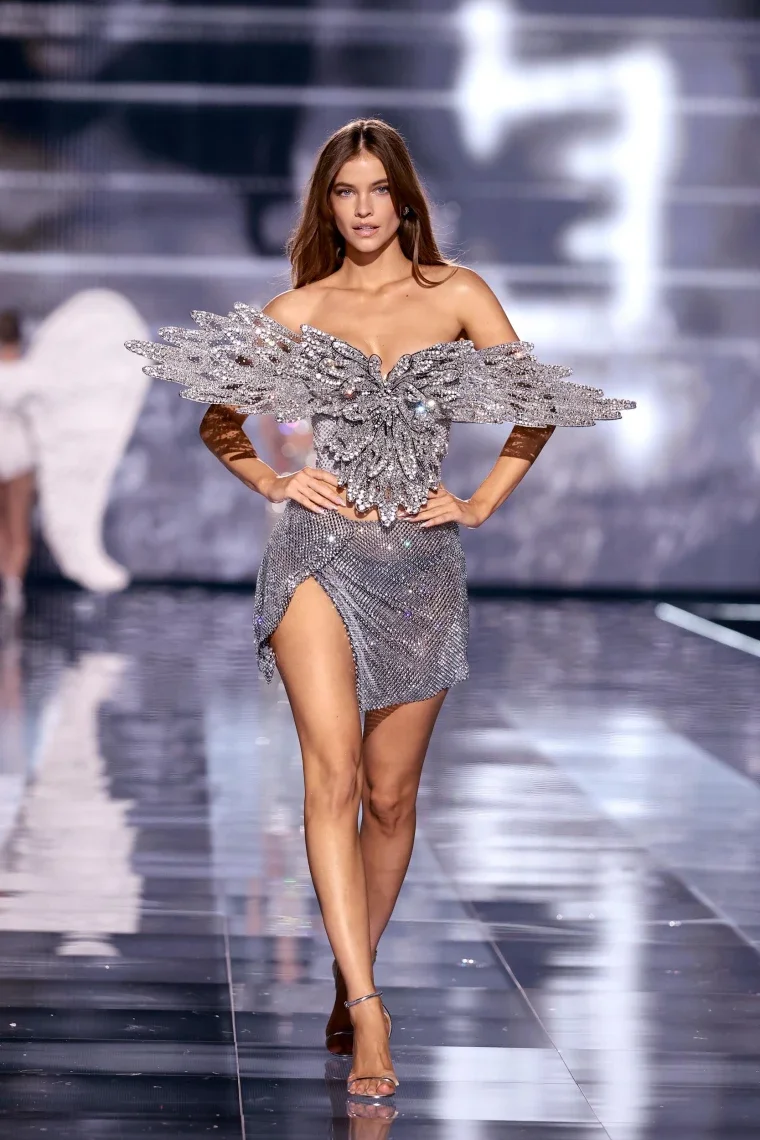
Image Courtesy: Dimitrios Kambouris / Getty Images
Fashion shows are entertaining to watch because of various factors. The models, the clothes, the designers… For me? I am delighted whenever I get to watch a unique catwalk.
The Online Etymology Dictionary says that the term “catwalk” originated from the late 19th century, describing narrow walkways where someone would have to walk with the balance of a cat, to make it safely through.
According to Harper’s Bazaar, the term wasn’t used in the fashion sense until Lady Duff Gordon used humans instead of mannequins to show off her designs in 1901.
Since then, catwalks have revolutionized what fashion shows are. Popular fashion events like New York Fashion Week, Paris Fashion Week, and the Victoria Secret Fashion Show are some of the most viewed fashion shows that have their models do catwalks. Even smaller shows hosted by smaller boutiques, hire models for their catwalks.
It's the perfect way to demonstrate how different designs look on a person, if it’s comfortable to move in, and how the design is supposed to be worn.
Models in the 90s turned catwalks into their own unique signature.
Naomi Cambpell is known for fierce strut, while Kate Moss always embodied a calm, stroll-like walk down the runway. Shalom Harlow is known for her playful, iconic walks that often left an impression. She exaggerated her hips as she walked and would sometimes make provocative scenes during the runway that people still talk about today.
In the Todd Oldham Spring/Summer show of 1995, Harlow passed the model in front of her, Amber Valletta. To the audience at the time, it looked like a showdown between the two models, a creative way to show the contrast between their outfits. In 2023, however, Harlow told Vogue that she was just feeling the fast paced music and naturally passed Valletta on her own accord.
The model revealed that she whispered to Valletta “Keep up with me” and told her to “turn” in unison so that they could give the audience a memorable show.
Adriana Lima ruled fashion show culture in the early 2000s, her catwalk full of light and charm that left the audience enamoured with her.
Victoria Secret Angels had a different job on their catwalks compared to other fashion shows. They had more room to showcase mannerisms, facial expressions, and improvise moves.
High fashion designers mostly wanted their models to walk uniformly, so their crowd could focus on the clothing. However, there were times when designers preferred the dramatics of the show.
Alexander McQueen is a designer that has often turned his fashion shows into theatrical experiences. As well as Karl Lagerfeld, when he worked with Chanel, or Jeremy Scott with Moschino, themes were sometimes over the top. This allowed models to experiment with their walks, especially if they were wearing one of the more important pieces in the show.
People have begun to look forward to catwalks. Most significantly, they began to look for models who embodied the 90s supermodel era.
In recent years, models like Gigi Hadid, Bella Hadid, Karlie Kloss, Anok Yai, and Adut Akech have defined the modern runway with their presence. Their walks may not be as exaggerated or theatrical as those of past generations, but they reflect today’s fashion landscape.
Whether it’s an effortless stride, a sharp prowl, or a bouncy strut, catwalks affect how the clothes, hair, and makeup looks on the model. It all comes together to let us interpret the designer’s collection and decide whether it's something we want, or need, in our closets.
Strike out,
Sol Moyano
Boca Raton
Sol Moyano is a content writer for Strike Magazine Boca. When she’s not busy writing, she’s ignoring all of her responsibilities in favor of reading fiction novels. She updates her Goodreads and Letterboxd way more often than her LinkedIn. You can reach her at solmoyano05@hotmail.com or her instagram: @solmoyanooo.