
The Business of Nostalgia
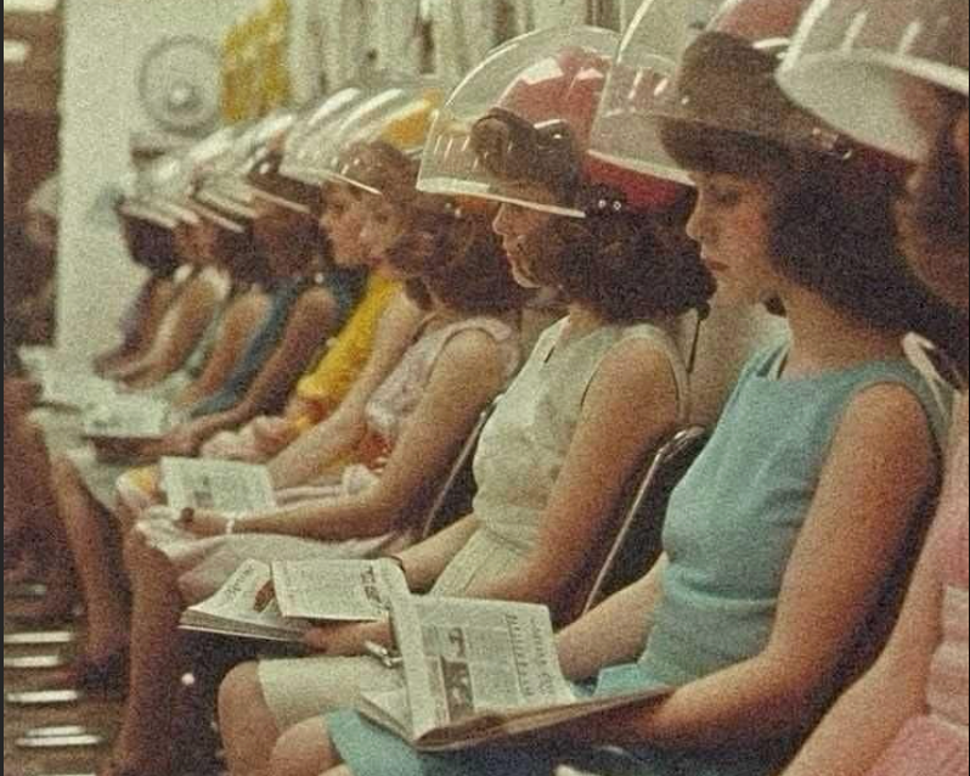
Image Courtesy: Pinterest
The bedroom floor is covered in glossy magazine pages. A silver flip phone snaps shut with a satisfying click. A digital camera flashes in the mirror, washing the room in white light. The photo will be uploaded later, maybe days later, after the right cord is found and someone remembers the password. By then, the moment will already feel slightly nostalgic. A velour tracksuit sleeve brushes against a pile of burned CDs labeled in purple Sharpie, each one a carefully curated soundtrack for a specific mood. This is the atmosphere fashion keeps returning to. It is not just a trend cycle. It is a strategy.
Nostalgic marketing works because it taps into shared memory. It creates comfort and familiarity in a culture that feels fast and overwhelming. For Gen Z and younger millennials, that era is childhood bedrooms, older siblings getting ready for parties, reruns playing after school, and celebrity photos saved to mood boards. Brands are not only selling products. They are selling the feeling of being thirteen in a mall on a Saturday afternoon. Fashion is reviving the details that once felt excessive. Low-rise flared jeans that required constant adjusting. Layered camisoles in contrasting colors peeking out from under cropped tees. Metallic purses were worn tight under the arm as if they were an accessory and a security blanket. These choices are specific because specificity sparks recognition. Recognition creates connection. Connection builds trust.
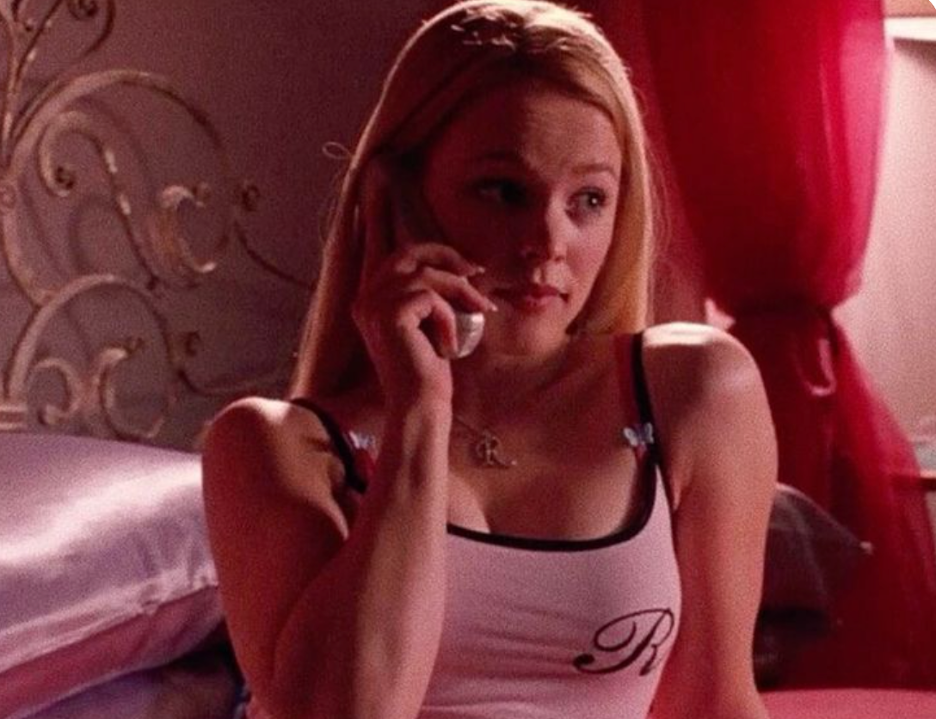
Image Courtesy: Pinterest
The visuals matter just as much as the clothes. Brands are moving away from hyper-polished influencer imagery. Instead of flawless lighting and curated backdrops, campaigns now mimic the look of disposable-camera photos and early digital snapshots. The flash is bright. The grain is visible. The pose looks spontaneous. Posters curl at the corners. Beaded curtains hang in doorways. The aesthetic feels human. Younger audiences grew up watching edited content. They recognize overproduction. When a brand embraces lo-fi visuals, it reads as more honest.
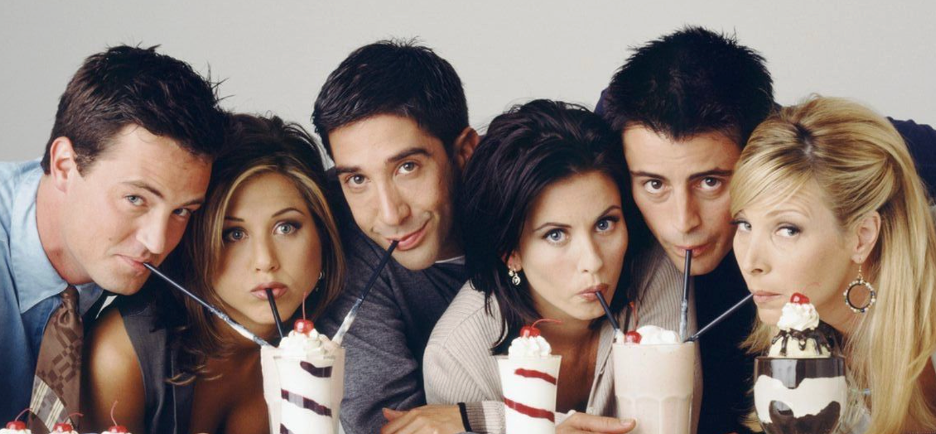
Image Courtesy: Pinterest
Nostalgia also works because it creates community. When a campaign references flip phones or old instant messaging icons, it signals membership in a shared cultural moment. You either recognize it or you do not. That recognition builds belonging. There is also a psychological comfort factor. Studies on memory show that recalling positive past experiences can reduce stress and increase feelings of social connection. It works the way it feels to rewatch The Notebook or How to Lose a Guy in 10 Days, when the lines are familiar but exciting—mirroring the comfort of turning on a Disney classic. It is like hearing “Mr. Brightside” by The Killers and watching the entire room light up as everyone sings along. Brands design for that reflex.
In contrast, today’s digital landscape moves at a relentless speed. Trends rise and collapse in weeks. Feeds refresh endlessly. Nostalgia offers a pause. Even if the past was not perfect, it feels stable in hindsight. The smartest brands do not copy and paste aesthetics exactly; they remix them. They update silhouettes for modern comfort. They pair early 2000s logos with contemporary sustainability messaging. They recreate paparazzi-style flash photography while shooting on advanced cameras. The magic happens when the past meets the present. The result feels familiar but current.
At its core, the business of nostalgia is about identity. Consumers are buying access to a memory of who they were or who they wish they had been during that era. They are buying a version of themselves that feels carefree, expressive, and connected. In a culture saturated with digital noise, that analog warmth feels rare.
Strike Out,
Writer: Sukhi Sodhi
Editor: Abby Marshall
Graphic Designer: Ava Liuzzo
Tallahassee