
The Illusion of Control
“I’ve been through this before. I know exactly how it goes. I have it all figured out.”
This thought process comforts us as we make decisions and put ourselves through less-than-favorable situations. Familiarity softens the weight of uncertainty, and it allows our minds to relax under the assumption that every decision we make from that point forward will be the right one—it makes everything feel more manageable.
We believe awareness corresponds to control, that recognizing a pattern means not repeating it. If I can see what’s happening, then I can control it, manipulate the process, and correctly forecast the outcome. We think we are somehow above any possible consequences.
But awareness doesn’t stop behavior. It just changes how we justify it.

Image Courtesy of Riana Morales
No one wants to feel naïve or helpless. So we perform certainty, eventually believing our own versions of reality. Awareness gives the illusion of control, invading our minds with worry and wonder about whether things will unfold as we expect.
Psychologists have shown that people consistently overestimate their control over outcomes, especially when they’re emotionally invested. Ellen Langer referred to this as the illusion of control. In one study, participants felt more confident about their chances of winning when given familiar lottery cards, even though the outcome was entirely random. The sense of familiarity created a false sense of influence. It had nothing to do with actual control.
And yet it felt real.
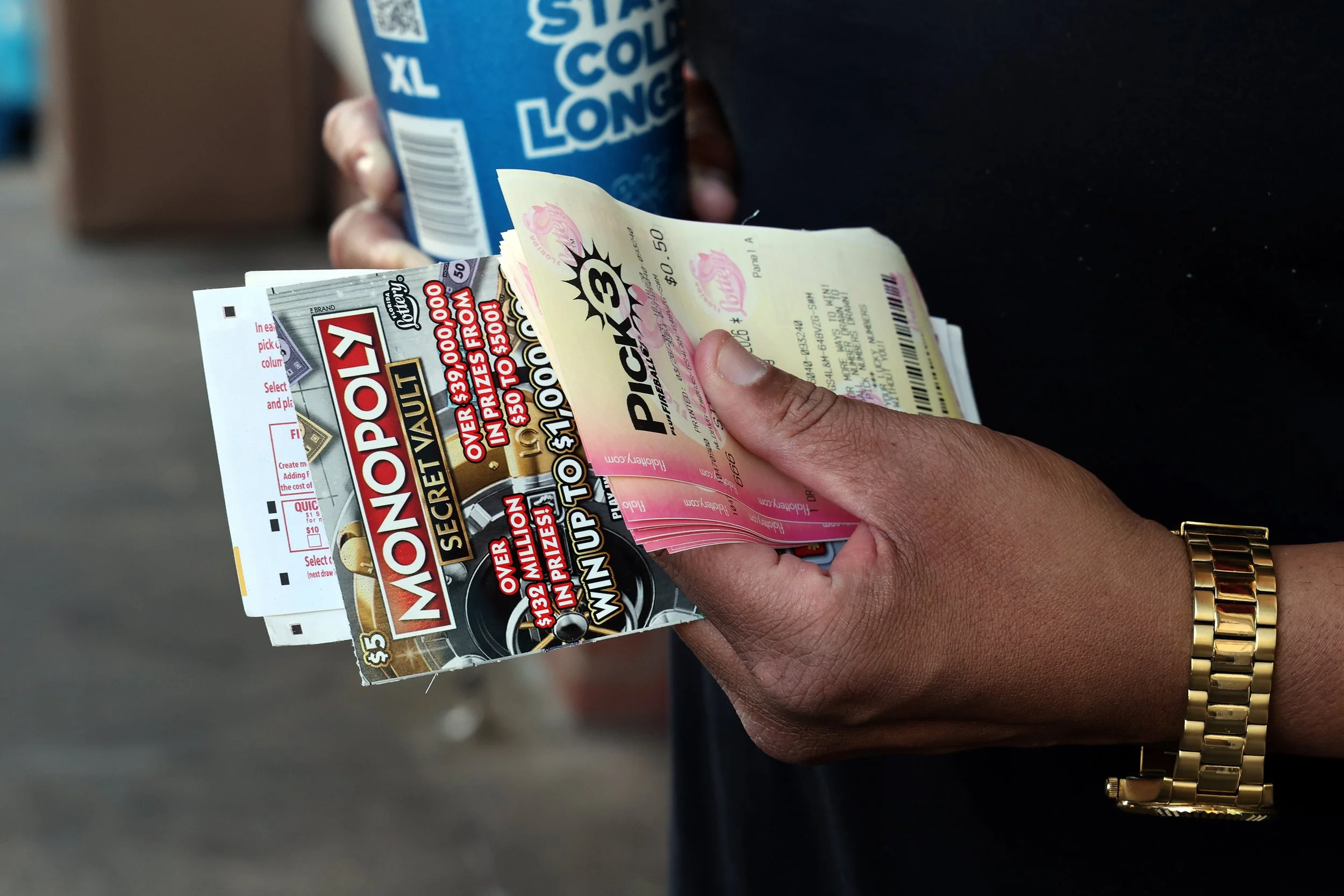
Image Courtesy of Riana Morales
Psychologists found that this illusion becomes even stronger when people feel personally involved in the outcome. In variations of Ellen Langer’s research, participants who were allowed to choose their own lottery ticket valued it more and were less willing to trade it, even though it held no greater chance of winning. The simple act of choosing created a sense of ownership, and with it, a false belief in influence; control is about perception. When we feel connected to a decision, we don’t just hope for a certain result; we begin to believe we can shape it, even when we can’t.
It’s similar to rereading old messages, wondering if we just worded it differently or said something else, maybe they would have stayed. We can control what we say; the choice to pick up our phone and type is ours alone, but trying to keep someone who didn’t plan to stay forever was never up to a message alone.
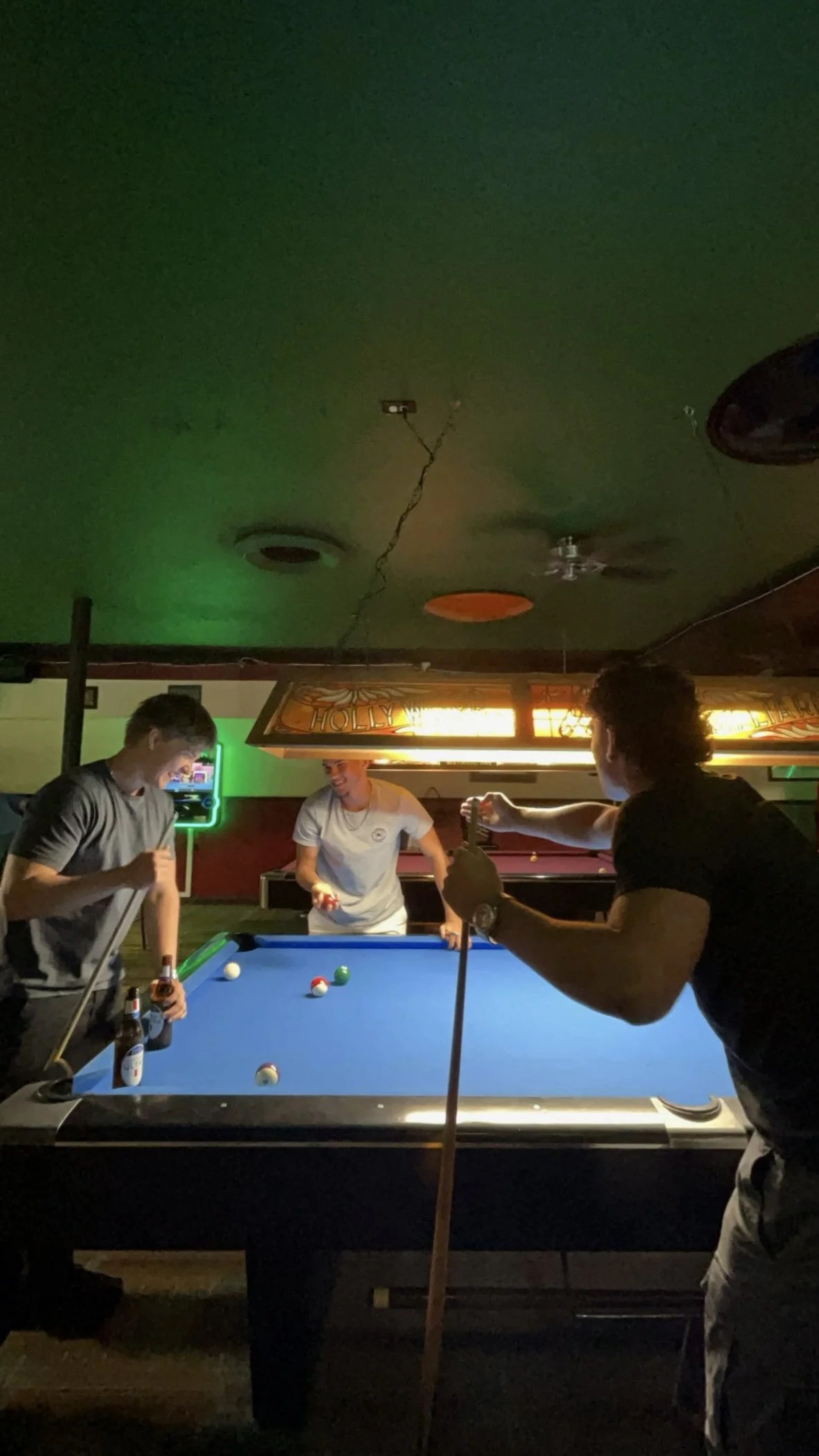
Image Courtesy of Riana Morales
You can promise yourself you’ll do better and still move the same way. Or you can dedicate yourself to practice and play to the best of your abilities, and still lose the game, be a pro on the slopes, and tumble down the snow. You can equip yourself in every way you think possible and still not secure an internship. You can prepare yourself for the end, but that doesn’t eliminate heartbreak.
Still, we move through life as if understanding guarantees protection.
Knowing better doesn’t mean we act better; we stay in situations we know won’t work, delay what matters despite the consequences, and return to what we’ve already outgrown. No one is immune to this behavior.
We see it in smaller ways, too. Hitting snooze knowing we’ll be late. Texting someone we said we were done with. Losing money on black four times in a row and placing a bet again, thinking this must be a winner.
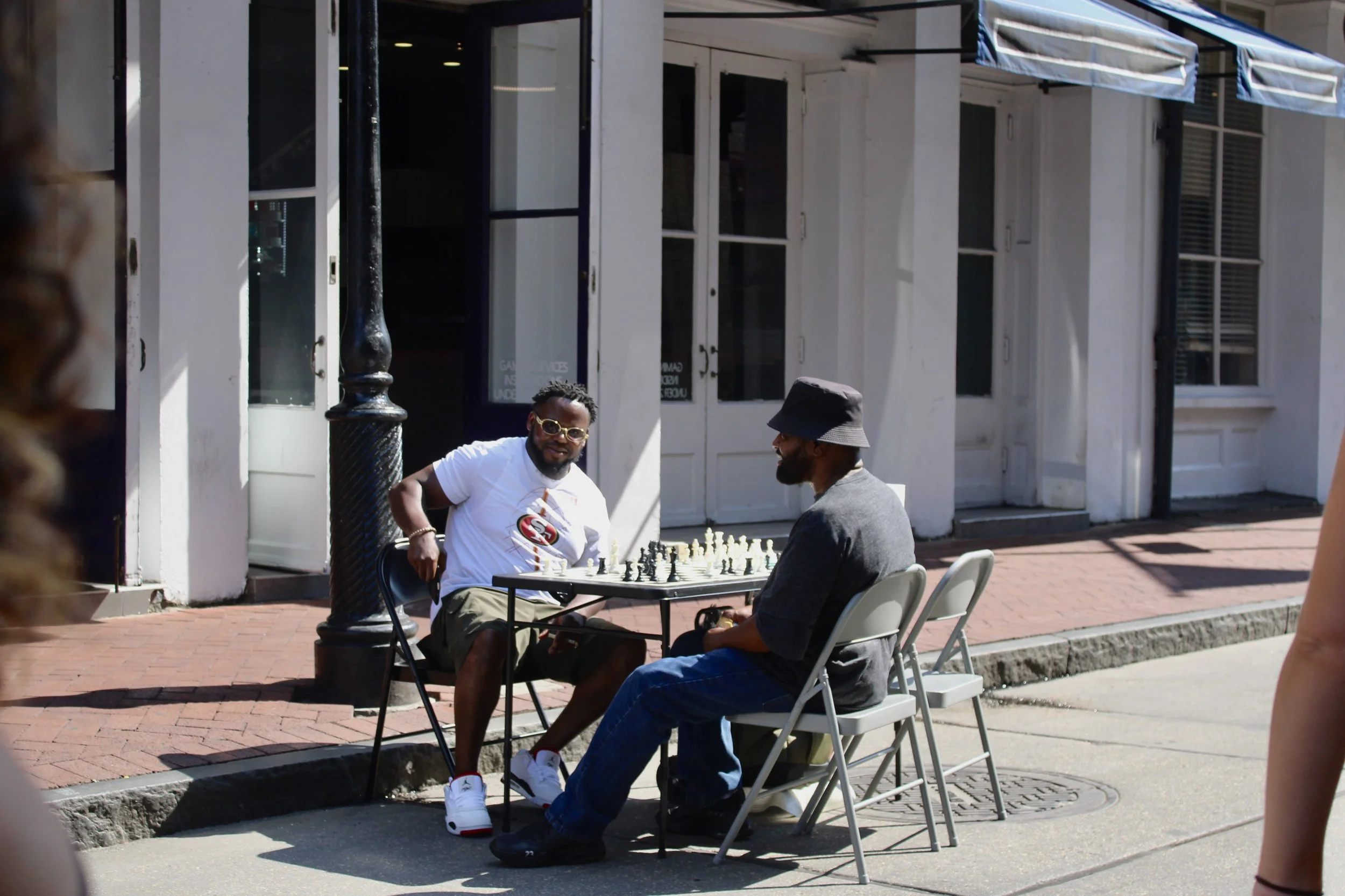
Image Courtesy of Riana Morales
I was a victim of this illusion my whole life, constantly believing that I needed to analyze everything, label the reasons, and figure out the ending before it happened. Growing up as the younger sister in my household, I always felt that everything I wanted in life was beyond my grasp. Things were always my brother's choice, and my thoughts and opinions never felt respected. Even if I had a valid reason, my frustration with being unheard would get the best of me. So I began looking for control in other aspects of my life. Not eating, piercing myself, dyeing my hair different colors (even though I ended up hating some), and painting my nails black despite my mother's hatred for the color. I stopped eating meat over a decade ago. My mom thinks that was a way for me to gain control of my own body; in reality, I love animals, but I do love that aspect of it.
Now that I am older, I see it in less rebellious ways, in others. Staying in situations I knew I had to leave. Unable to just let it go. I would stay up late because I believed the hours when everyone else rested were the only ones I felt full control over. There is this constant pressure in my mind not to be wrong, and I thought that if I could acknowledge my poor decisions and justify them, then they were the right ones.
It wasn't until I began writing this that I realized that this is a cycle many people can fall into. I keep putting myself into situations that hurt, thinking I still have control over them because I can identify the reasons.

Image Courtesy of Riana Morales
Naivety is not about not knowing; it’s about knowing and choosing to stay on the wrong path. After we have gone through enough, we like to believe that we have outgrown past versions of ourselves. It feels better to tell ourselves that we have learned because we can acknowledge it. But the repetition of continued mistakes proves otherwise.
We mistake recognition for change, but psychologically, these are two completely different processes. Someone can realize they have a gambling addiction. They can even explain why they do it—the rush, the highs, the need to break even or try to earn their money back. But despite recognizing it as a vice, they still go back to the casino and can never quit while they're ahead.
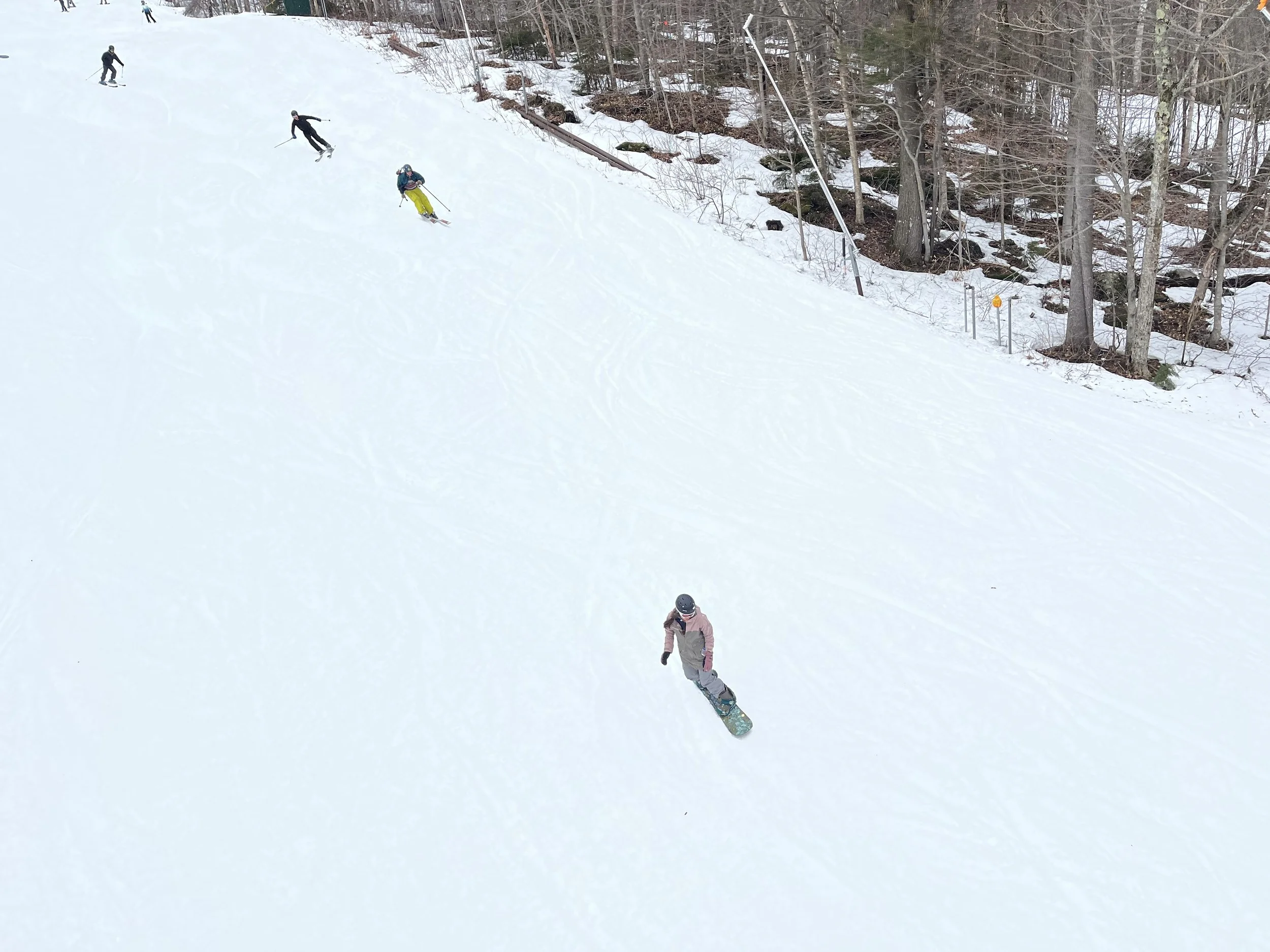
Image Courtesy of Riana Morales
So why do we believe knowledge alone makes us exempt from consequence?
Part of it is that this way of thinking protects us. When so much of life is out of our hands, we convince ourselves that we understand it. We start every day with an array of supplements because you crave longevity, but your last moments can never be predicted.
There’s also something deeper. When daily life is filled with obligations like work, responsibilities, and expectations, there’s this quiet urge to take something back. To feel like we’re choosing for ourselves. It shows up in small acts like staying up late even when we’re exhausted, knowing we have to wake up early. Not because it’s the right decision, but because it feels like control. Like reclaiming something that belongs to us.
But control, in the way we think of it, isn’t really there.
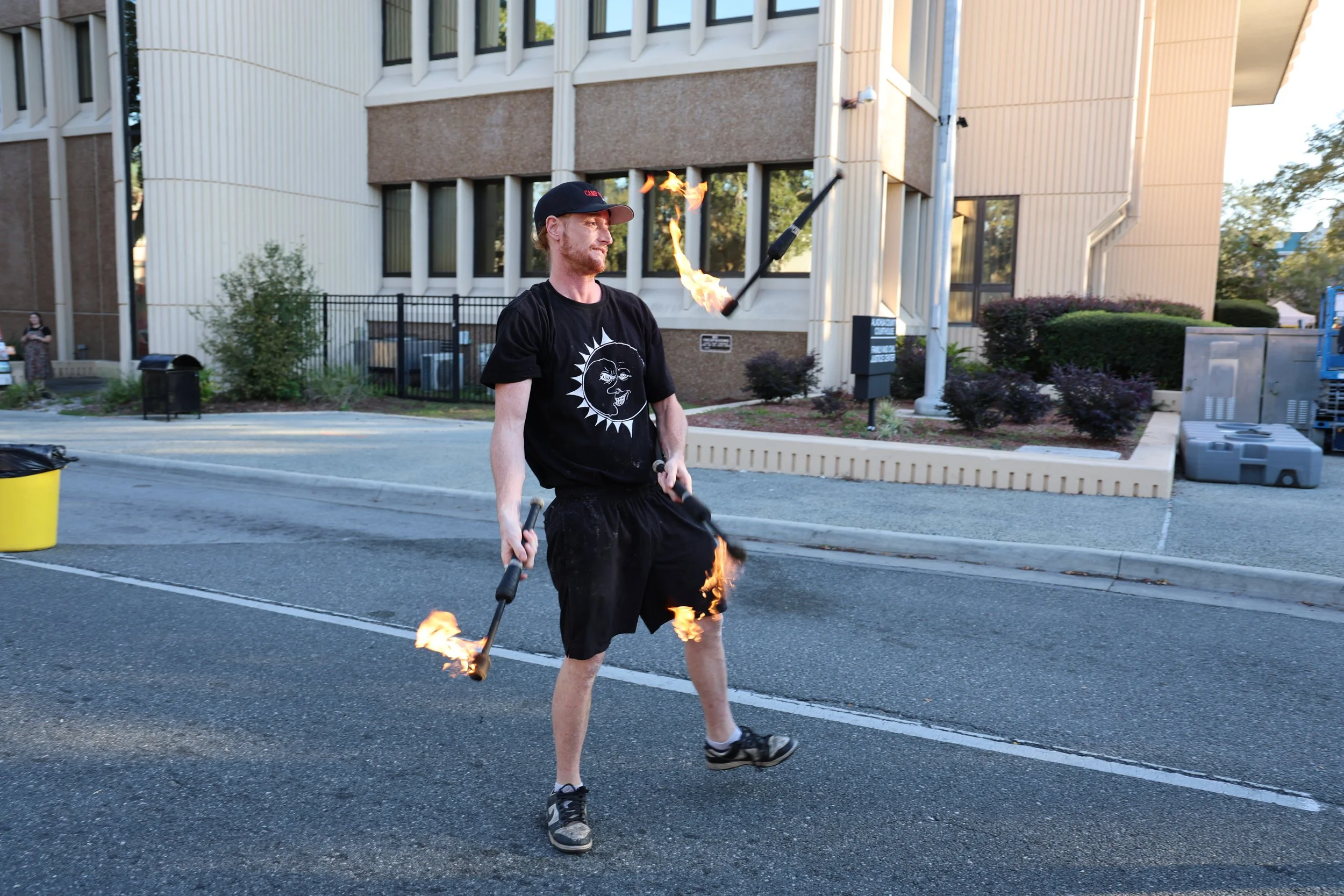
Image Courtesy of Riana Morales
I like to think about this as if I were a jellyfish. I’ve always had this strange affinity for them. I admire the way they move, the way they exist. They let the current carry them, accepting the path they’re given and propelling themselves when needed. Rather than fighting the ocean, they move with it. They can swim if they need to, but they don’t spend their energy trying to control something bigger than them.
There’s something to learn from that.
As humans, we do the opposite. We try to map everything out, predict every turn, and convince ourselves that if we just understand enough, we can avoid being hurt. And when things don’t go according to plan, even when we know they might not, we’re still caught off guard, frustrated, and disappointed. Because deep down, we thought we had it handled.
But no one can predict the future. You can do everything right and still end up somewhere you didn’t expect, or see the outcome coming and still feel unprepared when it arrives.
Life just is.
The sooner we begin to accept that, the easier it is to move through it. It is human nature to be upset when things don't go according to plan. So, if we focus more on what we can do in the moment, the result will be a more driven goal than a necessary conclusion. Some outcomes are simply the result of being alive and participating in the world.
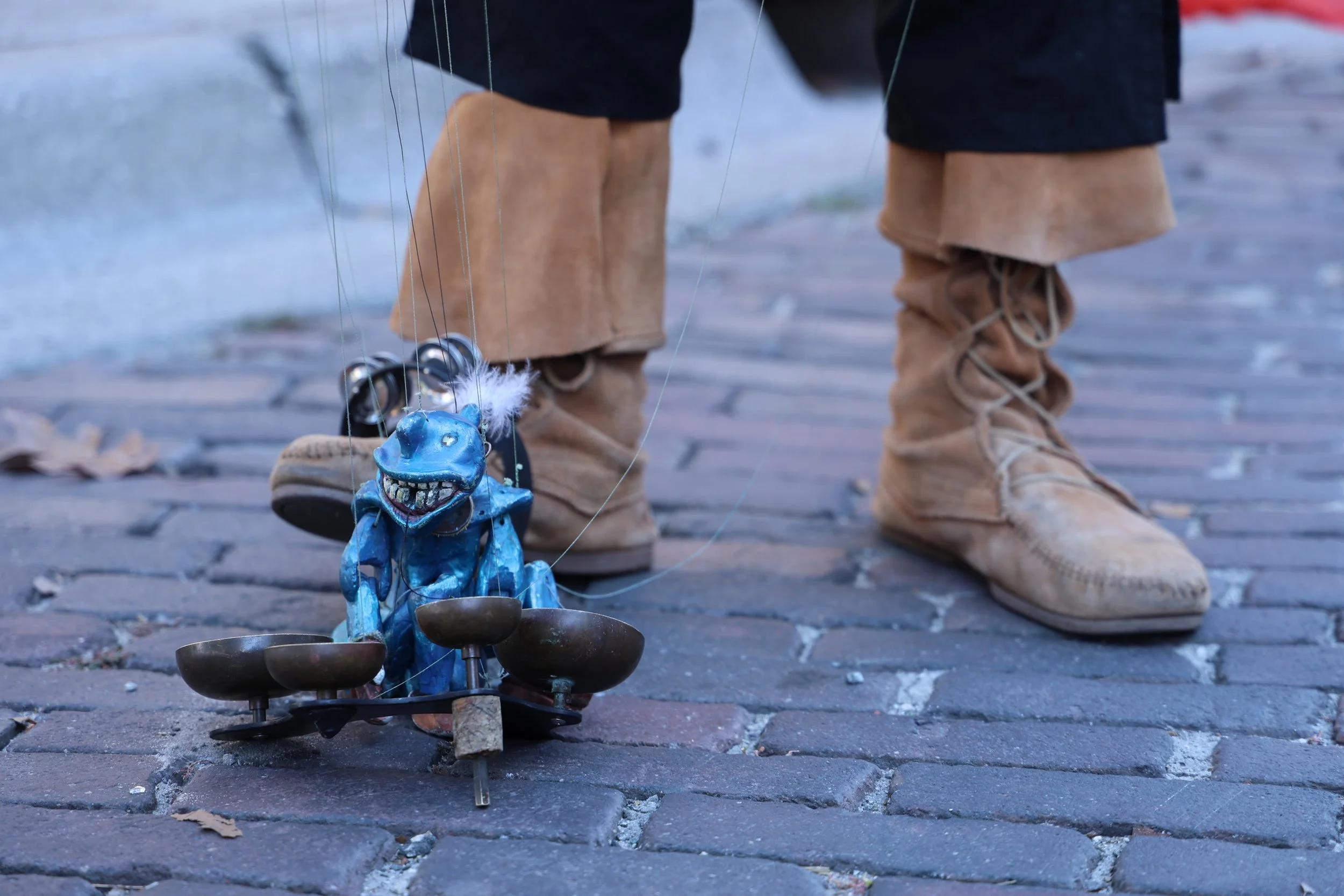
Image Courtesy of Riana Morales
Radiohead’s Creep is an anthem of self-loathing and unrequited love, ready to do whatever is necessary to be deemed worthy. The line “I don’t care if it hurts, I want to have control” emphasizes not only the desire for control over oneself but also the perception and valuation one receives from others. But the real pain is not unacceptance; it’s the agony of doing everything in your power to get what you want and still not getting it.
A lot of anxiety and stress come from this constant need to manipulate what was never ours to control in the first place. The tighter the grip, the worse it feels when it slips.
Letting go doesn’t need to be reckless or careless. Letting go can mean understanding the difference between effort and control. You can still make choices, still move intentionally, still care deeply about the outcome, just without convincing yourself that you can guarantee it.

Image Courtesy of Riana Morales
Jellyfish are their own source of light; they don’t spend their life fighting the current, trying with everything in their power to reach the sun. Be more like the jellyfish. Feed off your own bioluminescence and let go of the illusion of control.

Image Courtesy of Riana Morales
Strike out,
Writer: Riana Morales
Editor: Francesca Jaques
Riana Sage is a writer for Strike Magazine GNV. No one ever quite knows where to find her; she’s usually off on a random quest, camera in hand, and talking to strangers. When she’s not discovering a new study spot, catching live music, or taking photos, she’s home with her cat, Jazz. She’s hard to reach, but easy to find—just follow the sound of a speaker or the trail of wired headphones. (Or reach her on Instagram: @rianamoraless).
