
The Lost Art of a Signature Scent
Women's fragrance was first designed to enhance every part of her day. It was meant to complement every situation she found herself in and suit both her morning and evening dress.
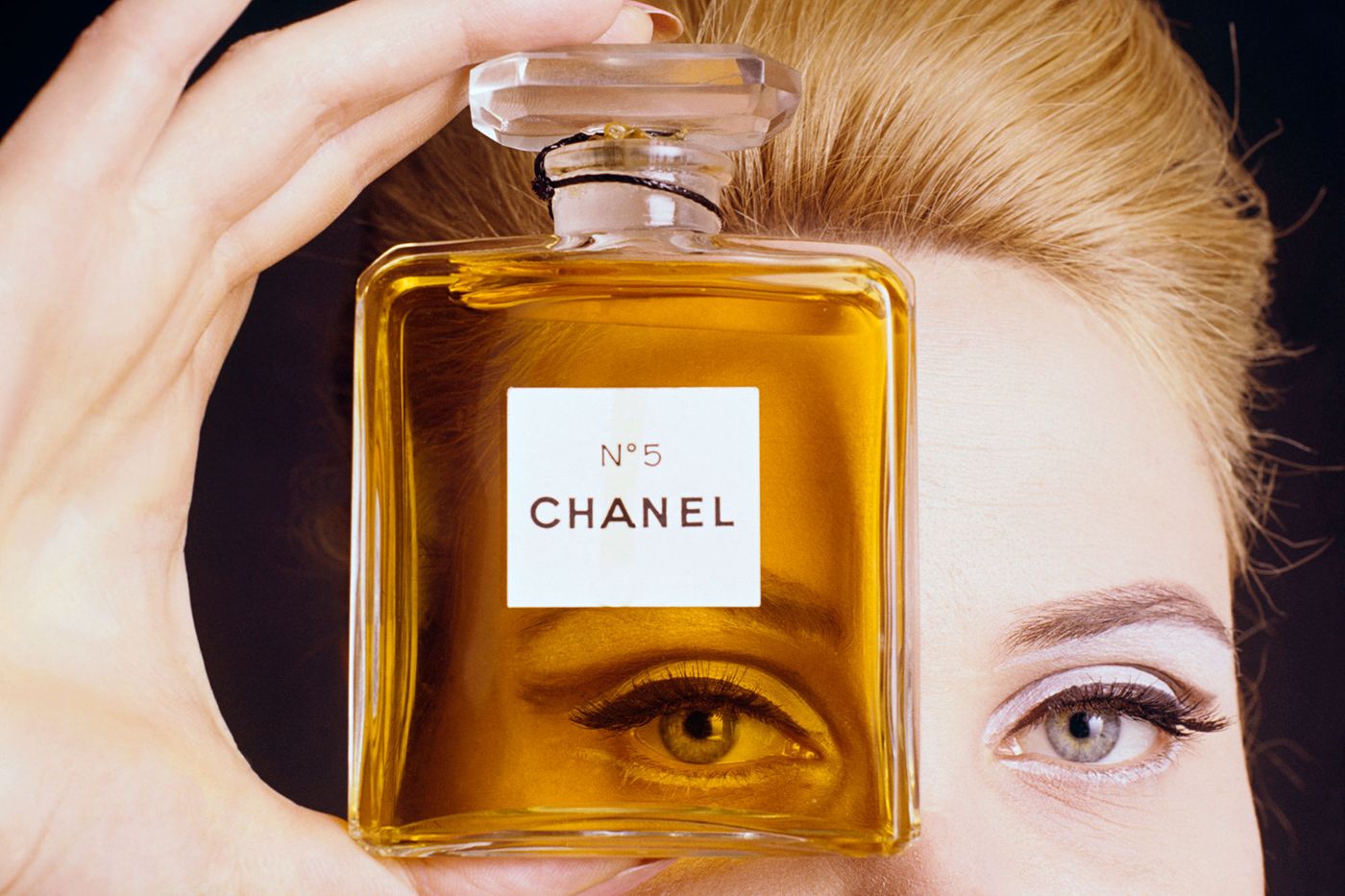
In the 20th century, a signature scent was marketed as a must-have beauty staple. The entrance of the beloved Chanel No. 5 into the fragrance market modernized the perfume industry and captivated consumers through the recognizable nature of its notes. All of the elegant, composed women stuck to the fragrance with a “champagne sparkle”. It was powdery and pure, instantly recognizable through its clear, crystal bottle. Even so, the lasting impact of this floral scent had nothing to do with the scent itself; the woman who wore Chanel was sought after; she represented a glamorous myth of perfection. After all, the perfume was named after Coco Chanel’s favorite number. Its abstraction didn’t need to be feminized, it effortlessly appealed to the consumer. In other words, the product aligned with what its buyer desired to be. The relationship between a woman and her perfume was intimate: what she chose to lather on the small of her neck and her wrists was an inexplicable glimpse into her identity.

Image Courtesy: Pinterest
Perfume doesn’t hold the same weight on our identities as it did in the past. The 21st century has brought major innovations in the fragrance industry, and exclusivity is taking on a new significance in driving its trends. While there is an uptrend in the market for more personalized and experimental scents, women are investing in multiple fragrances rather than just one for daily use. According to the women in a popular Reddit perfume forum, “we are no longer looking for one scent to tick all boxes and represent us.”
It seems that women no longer need one perfume to define us; one smell to linger on the clothes of the person whom we want to leave a lasting impression on. Public perception bleeds into the fragrance industry heavily. The entrance of fourth-wave feminism led to many changes in the rhetoric around fragrance. Scents are more likely to be adorned with reference to quality, rather than their masculine or feminine notes. If gender is removed from our discussion of fragrance, the pool of possibility is much larger for those in search of an exciting new scent. It makes sense why the modern woman would shun the illusion of singularity, but it might just be that we cannot settle down with only one fragrance.

Image Courtesy: Pinterest
Beauty marketing towards women is the most rampant. It overwhelms our screens, the magazines we read in boredom, but, most importantly, it spreads through word of mouth. It is impossible to separate fragrance consumption from the dialogue regarding the ‘vibe’ of a perfume. Nearly every popular scent has a spokesperson, from teenage girls to corporate CEOs.
While the way our friends influence us hasn’t changed over the past century, what has changed is our response to that influence. We used to hear our grandmothers speak of perfume as a ritual, something engraved into their lifestyle, further cultivating their identity. To past generations, having a collection of perfume was antithetical to the power of that routine. Now, we seldom smell the same scent on someone for every occasion. Even the minimalists keep a scent for the transition from day to night.

Image Courtesy: Pinterest
Perfume has transitioned from an identifier to a collector’s item. Fragrance has always been about exclusion, but the cadence at which perfume companies cater to the consumer has changed. Accumulating a vast range of scents seems to be a necessary part of the new wave. In a world where you are defined by engagement with beauty, do what fills your heart with joy, even if that means dousing yourself in a familiar favorite.
Strike Out,
Writer: Sarah Weber
Editor: Samantha Goldberg
Graphic Designer:
Tallahassee