
Image Courtesy: Pitchfork
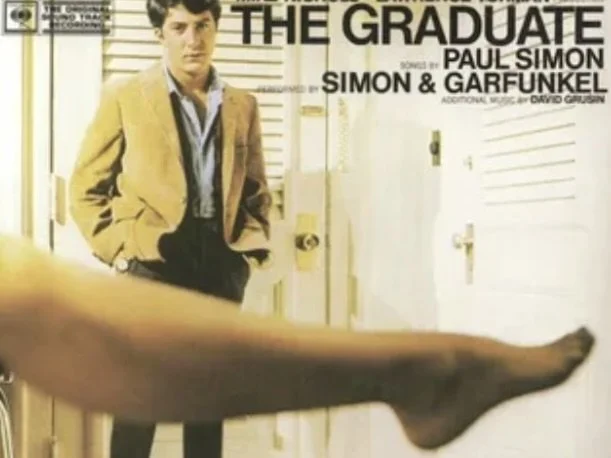
Sound is essential. In production, a movie’s soundtrack is often one of the most impactful uses of audio; second, perhaps, only to the dialogue. The composition of music used in a soundtrack is what accompanies the movie’s storyline. It’s a key component of the storytelling altogether. The use of pop songs, whether written for the score or preexisting, was a development of the medium, though, that only came about later on. A shifting point for such development can trace straight back to 1967, with the release of the widely impactful coming-of-age dramedy, The Graduate. Especially with their songs “The Sound of Silence” and “Mrs. Robinson”, the widely beloved folk duo, Simon & Garfunkel, became voices that pioneered how effective popular music could be in film.
All through the stylistic choices made in The Graduate, conventional practices of filmmaking were challenged. From casting to shot design to narrative structure, The Graduate broke away from many of the Old Hollywood traditions of what a movie should look like. The movie follows a recent college graduate, Benjamin Braddock, and his troubling transition to adult life. The film takes us through his narrative as he navigates an affair with an older woman while entangling himself with her daughter. His existential unrest within the film was one that resonated with the audience’s rising generation, making this low-budget movie a huge box office success. It subsequently became one of the hallmark movies of American New Wave cinema. Following all these subversive themes and impacts, the melancholic Simon & Garfunkel’s “The Sound of Silence” became the perfect backdrop for the events of the movie.
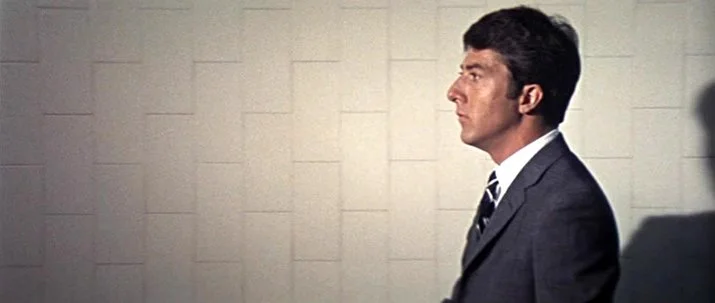
Image Courtesy: IMDb
The Graduate opens with protagonist Benjamin returning home from the airport as the lyrics “Hello darkness, my old friend” mark the film’s beginning. Simon & Garfunkel’s signature mellow sound punctuates the movie’s sequence. Their other songs “April Come She Will”, “The Big Bright Green Pleasure Machine”, and “Scarborough Fair/Canticle” are used in important montages throughout the film. Yet their recurring song “Mrs. Robinson” is used in bits and pieces that repeat as the movie progresses. Written especially for this movie, Simon & Garfunkel’s “Mrs. Robinson” went on to win a Grammy for the Best Original Score Written for a Motion Picture or Television Special in 1969. That same year, Simon & Garfunkel won another Grammy for “Mrs. Robinson” as Record of the Year and yet another for Best Contemporary Pop Performance. The soundtrack’s hit single was a #1 Billboard chart topper in 1968, and the score received recognition from Rolling Stone in the top 10 of the 101 Greatest Soundtracks of All Time. The commercial success across both music and film made The Graduate an all-around game changer for how Hollywood approached the soundtrack.
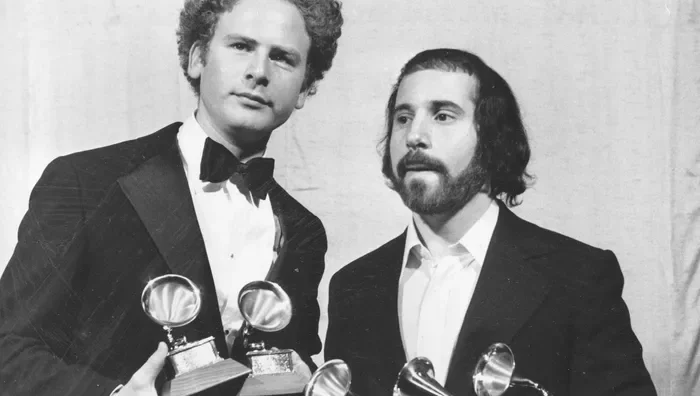
Image Courtesy: USA Today
Since the movie’s groundbreaking release, the collaboration between popular musicians and directors has soared. The Graduate not only featured the songs but exemplified how popular music could truly accentuate and carry along the narrative. By opening the doors to what this possibility could look like, the art of the soundtrack evolved. That evolution has only continued to expand storytelling tools since, and the inciting impact that The Graduate first created will always be one to thank.
Strike Out,
Writer: Priscilla Rodriguez
Editor: Abby Marshall
Tallahassee