The Trend Cyclone
By this point, I think we’re all well aware of micro-trends. In the age of the internet, especially post-COVID, we have access to hundreds of years of fashion history at our fingertips. Combined with the ability to order clothes from the comfort of your home and have them delivered to your porch by the next day, we’re in an era of rapid trend cycles. In fact, at this point, I’m not even sure if there is a steady trend cycle in flux anymore. With our attention spans much shorter than those of previous generations’, it’s difficult for us to maintain focus on one trend or pop culture movement for more than a month or two, if not a week. Not to mention, thanks to the internet, “trending” is no longer a term that applies to a mainstream audience anymore. Maybe it’s just me, but I feel like huge, mainstream pop culture movements are becoming less common. Big, capital M, “Moments” in our culture feel few and far between, while cultural subgroups have branched off into hundreds of separate communities online, which are all able to thrive and withhold trends of their own thanks to social platforms like TikTok and Instagram.
But is this a bad thing? Yes and no.
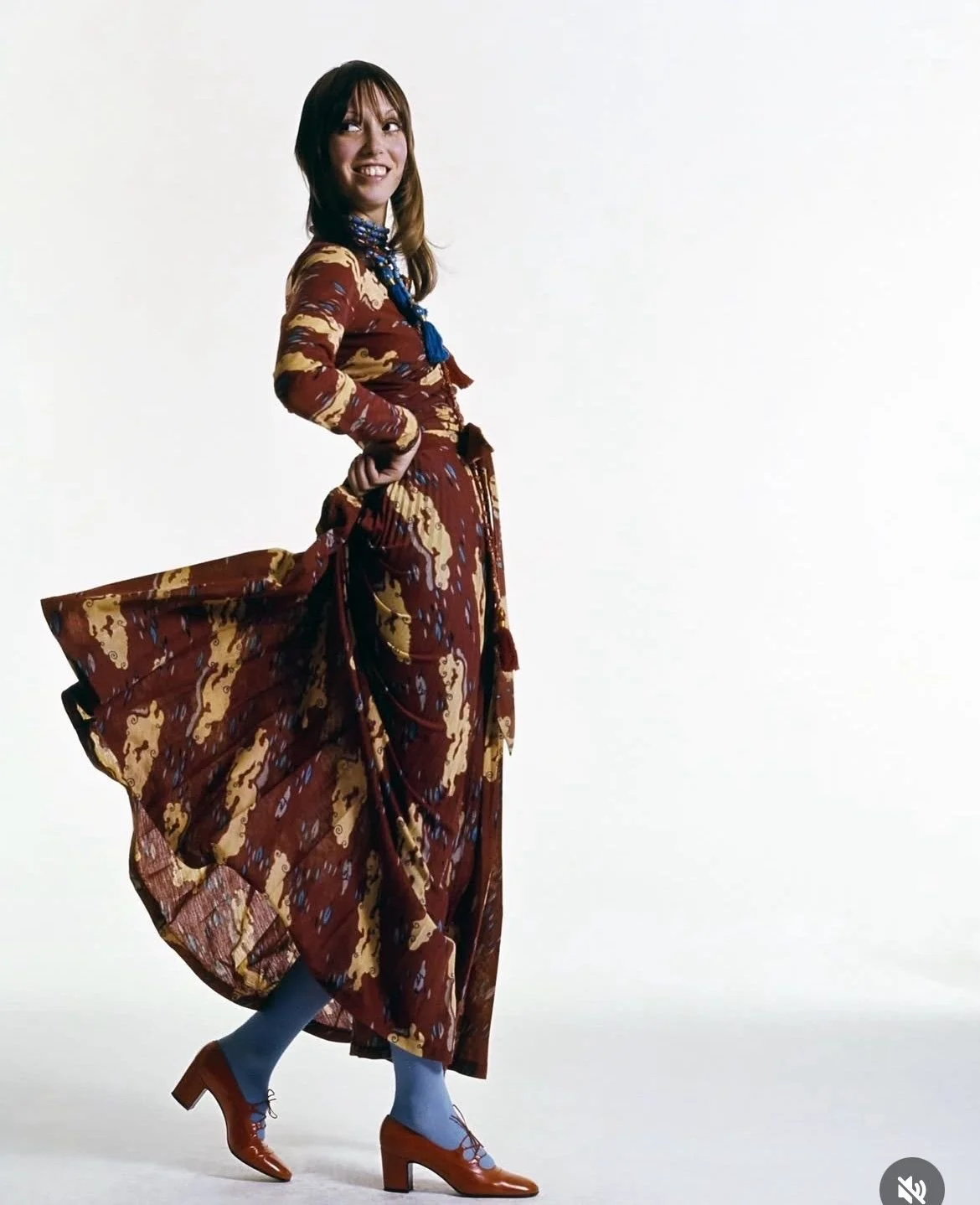
Image Courtesy: Pinterest
In the past few years, it feels like the typical 20-year trend cycle that previous generations have experienced has flattened out completely. On the internet, time doesn’t exist. You can scroll past a video of a girl dressed head-to-toe in 1960s rocker garments, and the next video will be a guy whose style is completely inspired by early 2000s indie sleaze. And then a few scrolls later you see someone showing their outfits of the week, where on Monday they’re in Victorian-era garb, and Tuesday they’re rocking a minimalist 90s look. Everything is everywhere all at once. You can dress in whichever era, aesthetic, or “core” that you please, and most people won’t blink an eye. On one hand, I think this is a positive thing. In a way, it’s beautiful the level of creativity you see online. It’s a good thing that we all get to be ourselves and dress in whatever way we please.
But when I think, or, frankly, overthink about it, I wonder if the internet has taken the preciousness out of fashion and trend cycles. While trends and fashion of the past were inspired by the tangible: films, music, art, social movements, your surrounding environment, the current day source for inspiration has been almost entirely usurped by social media. Now, we look back through previous eras, even as recent as 2016, to find what we want to emulate. It’s not that the inspiration behind our style choices has to be meaningful all the time. If you see a Pinterest board or a TikTok video with a girl dressed in a flowy 70s dress and it inspires you to start dressing that way, who cares? We should dress how we want. But there is a side to the internet that lends itself to impulse purchases and intense, often regretted, micro-trends, more so than previous sources of fashion inspiration.
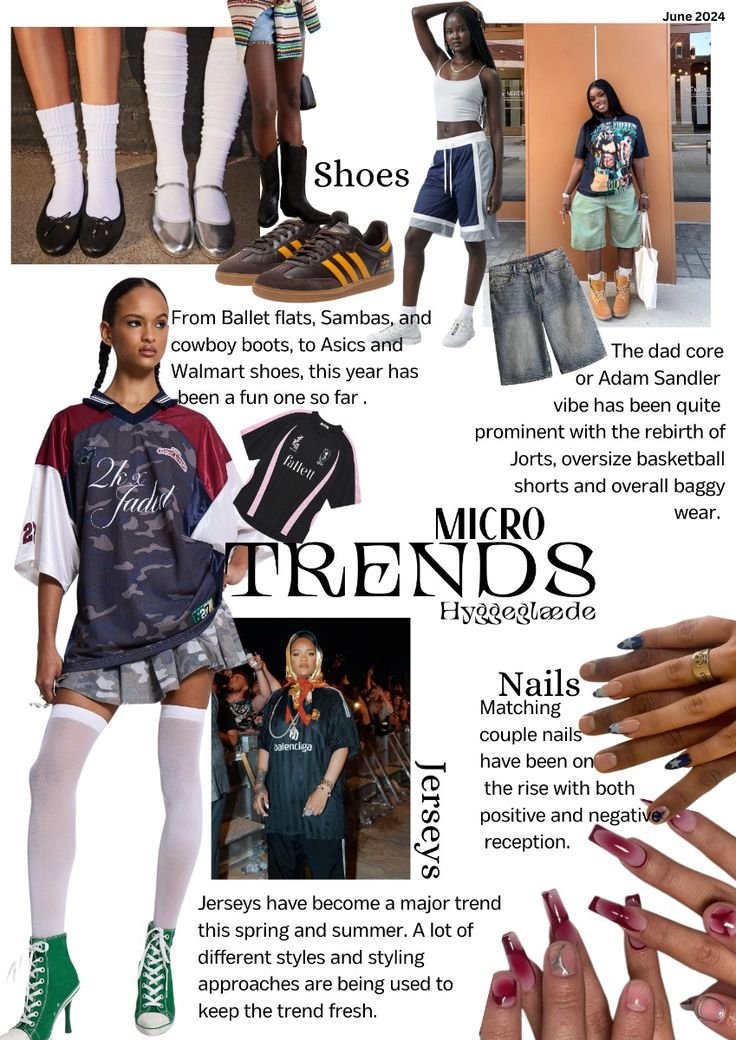
Image Courtesy: Pinterest
Ultimately, I think it’s important to accept the current state of trend cycles. The internet, as long as we’re all on it, is going to have influence over us. The only thing we can control is how we act in response. Lately, I’m trying to be more thoughtful about my knee-jerk reactions to fashion trends I see online. I slow down, ask myself why I like what I see, if it’s worth purchasing something new for, or if I can buy a secondhand item or just get more creative with what I already own. I can’t change how fast trends have gotten, but I can change how I participate in them.
Strike Out,
Georgia Witt
Saint Augustine
Editor: Kaya O’Rourke
Georgia Witt is a blog writer and poet for Strike Magazine, Saint Augustine. She loves reading, writing, fashion, nature, and collecting CDs. She hopes to work in the publishing or journalism field after college. You can reach her at georgiawitt3000@gmail.com.