
Tilly the AI Actress is Hollywood’s perfect Woman — because she can’t say no
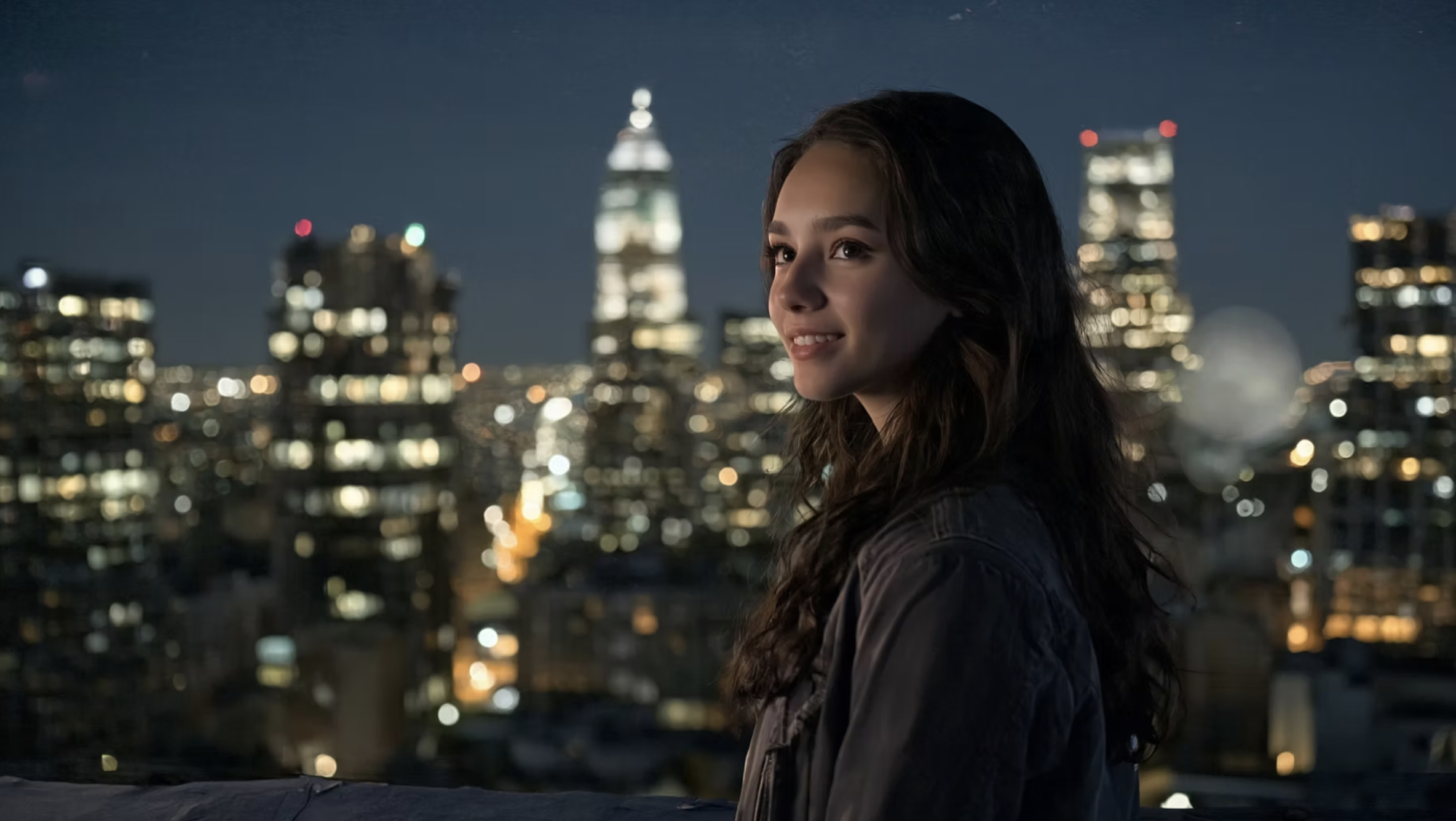
Image Courtesy of Tilly’s Personal Website, tillynorwood.com
Tilly Norwood is Hollywood’s newest “it girl.” She’s beautiful, camera-ready, and already has agencies reaching out to represent her.
The catch: she’s not real.
Tilly is an AI-generated actress created by the London-based studio Particle6. She doesn’t eat, sleep, age, or forget her lines. She’s the perfect performer, or at least that’s how she’s being sold to us.
When Tilly’s videos began circulating online, reactions were immediate. Emily Blunt called her “really scary.” Actors and professors condemned the project for “destroying the humanity in art.” And while they’re right to be alarmed, there’s a darker, less obvious threat underneath all of it.
Tilly doesn’t just challenge jobs. She challenges boundaries.
For decades, women in the entertainment industry have been told they’re replaceable — that if you set boundaries, speak up, or refuse to play along, there’s always someone else waiting in line who will. That threat has kept a lot of people quiet. But at least back then, women were being replaced by other women — real people with their own ambitions and limits. Now, their replacement doesn’t even have to be human.
Tilly will never say no. She won’t ask for fair pay, rest days, or creative input. She won’t speak up when something crosses a line. She’s built to comply, and that is what makes her so dangerous.
When you look at her, it’s clear whose fantasy she fulfills. Young, thin, softly lit, always smiling — the kind of woman Hollywood has been trying to recreate for decades. She is everything the industry still expects women to be, only stripped of the humanity that complicates business.
This is about more than technology or art. It’s about consent being treated as optional.
What Tilly represents isn’t innovation but obedience. She is a woman who cannot object, question, or change her mind. The “perfect” actress only exists when she cannot push back.
Tilly’s creation is part of a much larger pattern. AI has already been used to harm women far beyond Hollywood. Deepfakes of real women circulate online without consent. Apps exist that can undress women in photos — and others that “redress” them, digitally adding clothes or removing tattoos to make them look more “modest.”
One developer publicly showcased a software that adds clothing to women he deemed “immodest,” a move that sparked both debate and praise online. The goal in all of these cases is the same: to control women’s bodies and appearances, reshaping them into forms that make others more comfortable.
It’s exhausting, and familiar, because no matter what women do — how we dress, speak, act, or exist — someone will always have a problem with it. This isn’t new; it’s a pattern that’s been escalating for years, from Facetune selfies and post-production retouching to full-blown AI creations that don’t even exist in reality. AI just gives this cycle whole new power.
Now, instead of criticizing real women, technology can literally change them — smoothing them out, censoring them, rewriting them into something “better.” So it begs the question: can we ever simply exist on our own terms without being edited, filtered, or reshaped to someone else’s comfort? Tilly is just the newest tool for that rewriting, and this time, she’s not a person at all.
Tilly represents the erasure of consent. She’s a version of womanhood that exists purely to please, perform, and obey. She isn’t just a symbol of AI’s potential but a reflection of an industry and a society that still sees women as more valuable when they’re silent. Once personal autonomy is removed from the equation, what’s left isn’t progress. It’s control.
Hollywood has always tried to design its version of the “perfect woman.” Tilly just happens to be the first one who can never say no.
The solution starts with boundaries– legal boundaries, ethical boundaries, creative boundaries. We need clear protections for likeness, voice, and image. Boycotting AI-led films is one step, but the real work is larger: redefining what it means to be irreplaceably human in an age that keeps trying to program us out of the picture.
Tilly isn’t progress. She is proof that the fight for agency never really ended. From the casting couch to #MeToo to AI, the players keep changing, but the power struggle stays the same — and that is the real urgency.
Strike out,
Strike St. Louis
Written by: Ashton Burgess
Edited by: Natalia Jamula