Image Courtesy: Pinterest
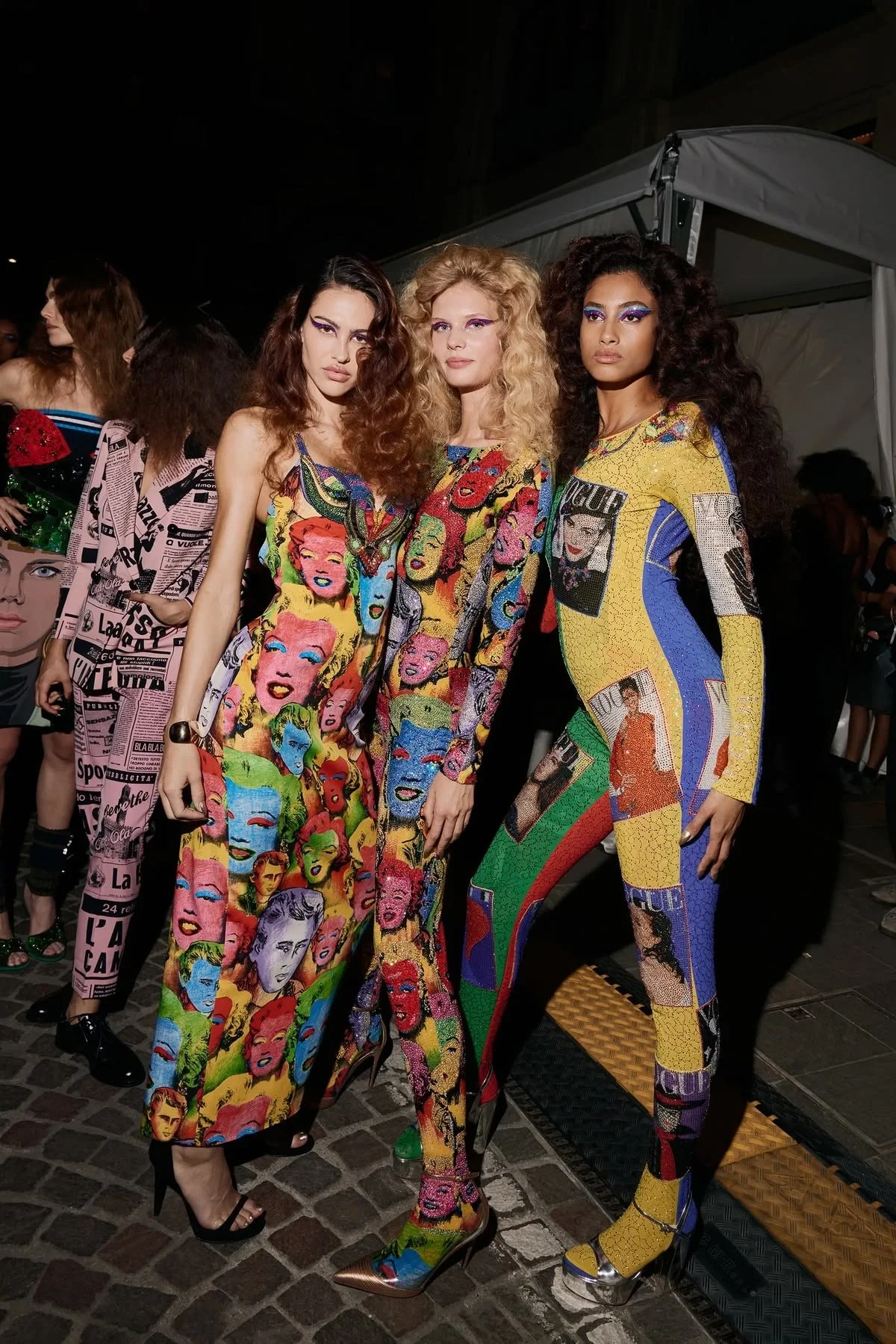
At Vogue World Milan, the runway did not feel like a runway. It felt like a mirror held up to fashion’s past. A polished reflection of present fashion back at us, but cracked just enough to make room for new interpretations. The city has always understood fashion as more than clothing. In Milan, getting dressed is a public language: A sharp blazer signals authority, a vintage handbag suggests discernment and a perfectly undone look can take more attention than a couture gown.
That feeling has shaped the way I get dressed, even from thousands of miles away in Orlando.
However, despite being visually ambitious and culturally fluent, it also exposed fashion’s habit of turning heritage and spectacle, before asking who benefits from the celebration.
That’s why, as consumers, it’s time for us to become more critical.
Here’s what it did well:
It gave Italian craft a global stage, including Prada, Armani, Versace, Gucci and more, in a highly visible presentation.
It made fashion history feel almost theatrical. Moving through themes of artisanal production to industrial tailoring and contemporary innovation gave the show a sense of narrative rather than presenting it as isolated luxury objects.
It connected fashion to civic support. Phil reported that the event raised funds for Quarto Oggario Library, a gesture that attached the spectacle to a concrete local institution.
It acknowledged that technology is already part of fashion. It's the “age of intelligence” segment place, new materials and tech, and technological experimentation alongside traditional workmanship, which is at least a more honest reflection of the industry's direction than treating craft and innovation as opposites.
The Vogue world this year was designed for the gaze. Its clothes, guests and cinematic scale invite endless observation, first from the audience, and then from the internet. Every outfit becomes a screenshot, a mood board reference and a potential micro trend before the lights are even down. But this particular celebration of Milanese fashion reminded me that style is at its most compelling when it resists being consumed too quickly.
Vogue World’s strength is its ability to make fashion feel important: It turns a runway into public culture, history and performance, but its weakness is the same. When everything becomes monumental, it is easy for the people who stitch, dye, cut and manufacture the clothes to become invisible behind the brand mythology.
For a personal style lens, that tension matters. The show's most useful takeaway is not that everyone needs couture-level access; it is that clothes carry stories. The more critical question is whether fashion media will tell the story behind the garment, such as who made it, whose culture is being referenced, how it was produced and whether “innovation” serves people rather than simply impressing an audience.
Despite these critiques, I do think this was a monumental event. For many reasons. The looks moved like memories. Tailoring held its ground, besides intricate embellishment, when familiar Italians appeared less like nostalgia and more like a challenge.
Milan does not ask whether clothing is practical before making something beautiful. It insists that beauty can be useful: Armor for a difficult day and an introduction before you speak, a way to reclaim control in the world that constantly watches one’s bodies and choices.
Milan may be the fashion capital of the world, but Vogue World’s lasting lesson was not perfection. It was a presence. The best looks did not beg to be seen, but they gave us something worth seeing.
Strike Out,
Written by: Arsheeya Garg
Edited by: Brenda Nunes and Kaitlyn Clarke
Arsheeya Garg is the current Editorial Director for Strike Magazine Orlando. She has a deep talent for the performing arts and hopes to entertain her career as a performance critic. She loves coffee, rainy Sunday afternoons, and a good book. Reach out to her at arsheeya.g@gmail.com or @arsheeya_g on Instagram!