
We didn’t talk enough about Hamnet
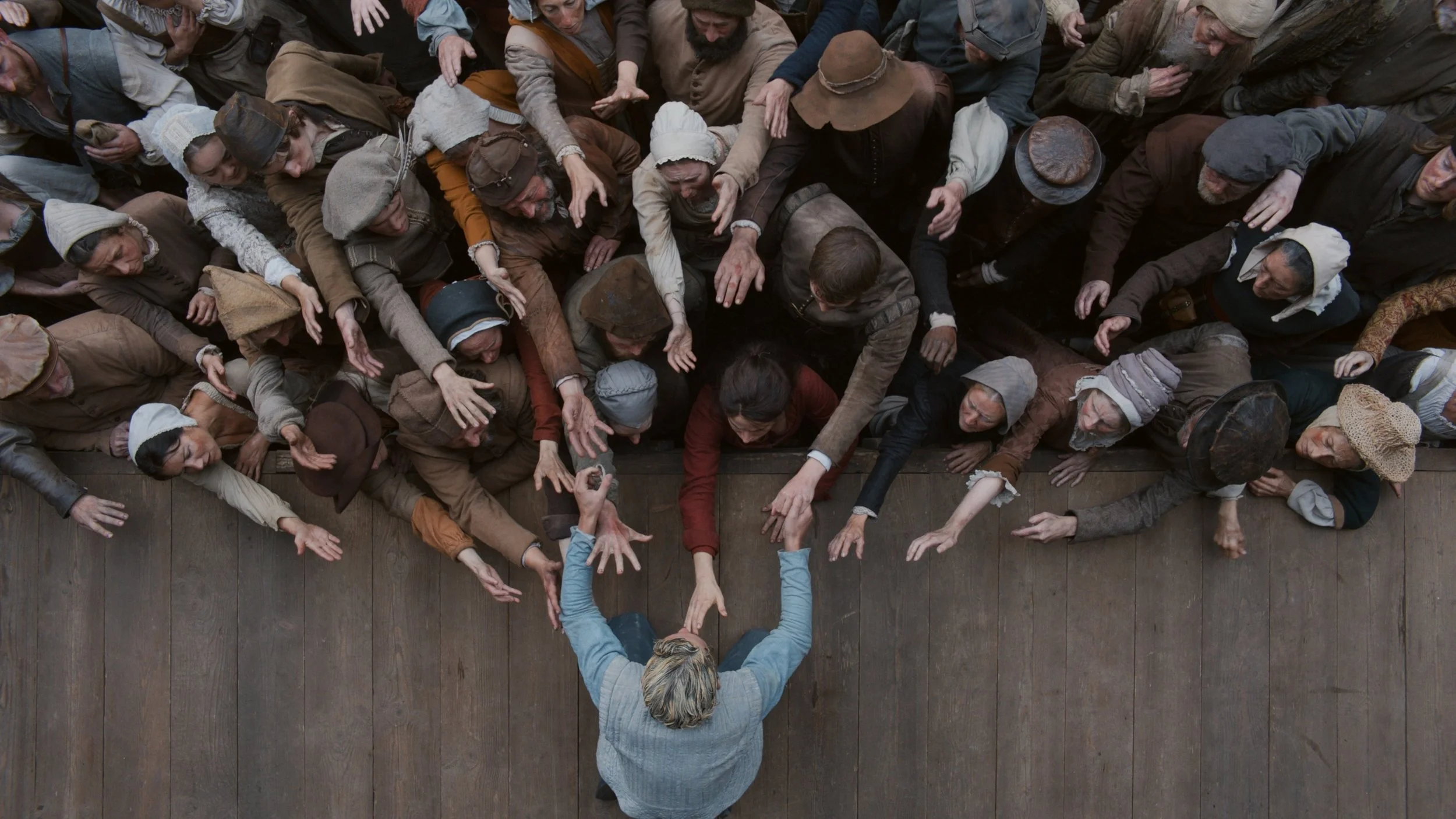
“Hamnet” | TMBD
One Battle After Another, this. Marty Supreme, that. Yes, obviously, I did enjoy both Leonardo DiCaprio’s frustrating exchange via pay phone as Bob Ferguson and Timothee Chalamet’s appreciation for an orange ping pong ball, as well as him falling through the ceiling in a bathtub. Although I fear there is a film amongst the 2026 Oscar nominations that I feel did not get enough love and that would be “Hamnet.”
Genuinely—where do I start?
Firstly, let's begin with the background context. “Hamnet” is a 2025 historical drama film from director Chloe Zhao (previous Academy Award winner for Best Director for her 2020 film Nomadland, might I add). The film was co-written by Zhao and Maggie O’Farrell, based on her novel from 2020. The film follows the family life of William Shakespeare and his wife, Agnes Hathaway, as they cope with the death of their son, Hamnet. The film is nothing short of an emotional journey, one that truly captures grief, life, death and how to confront tragedy.
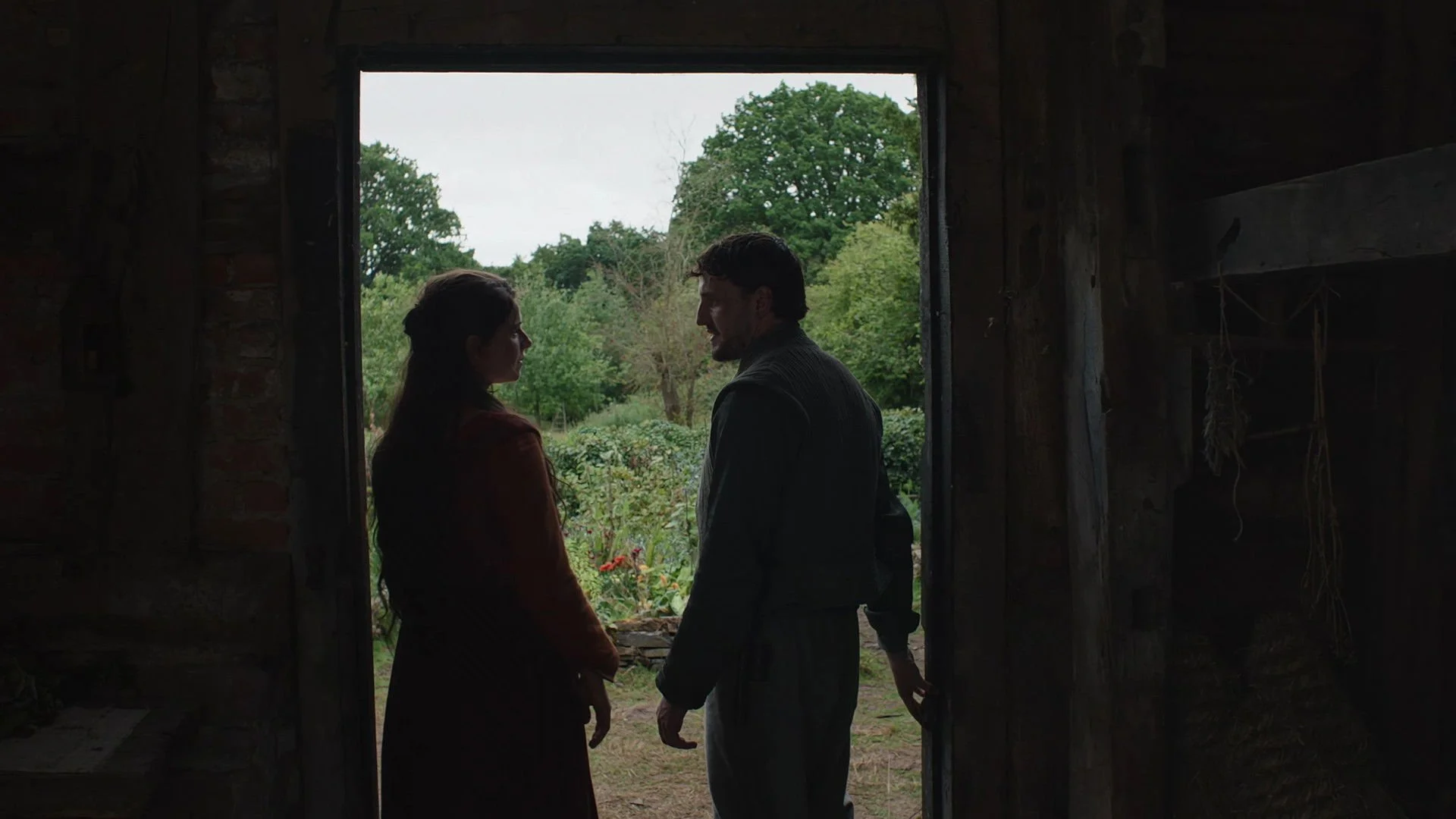
Jessie Buckley and Paul Mescal for “Hanmet” | TMDB
Side note, I’d never label myself a film snob. I am no well-rounded critic. However, I come from a family in which cinema is our greatest shared passion. I would like to think I have enough movie-viewing under my belt to be able to claim fair judgment on whether or not one has something special. Not to mention, I did see this movie twice within two weeks because I had to go back with my roommate to really consume everything it had to offer for a second time. It’s genuinely that good, I’m telling you.
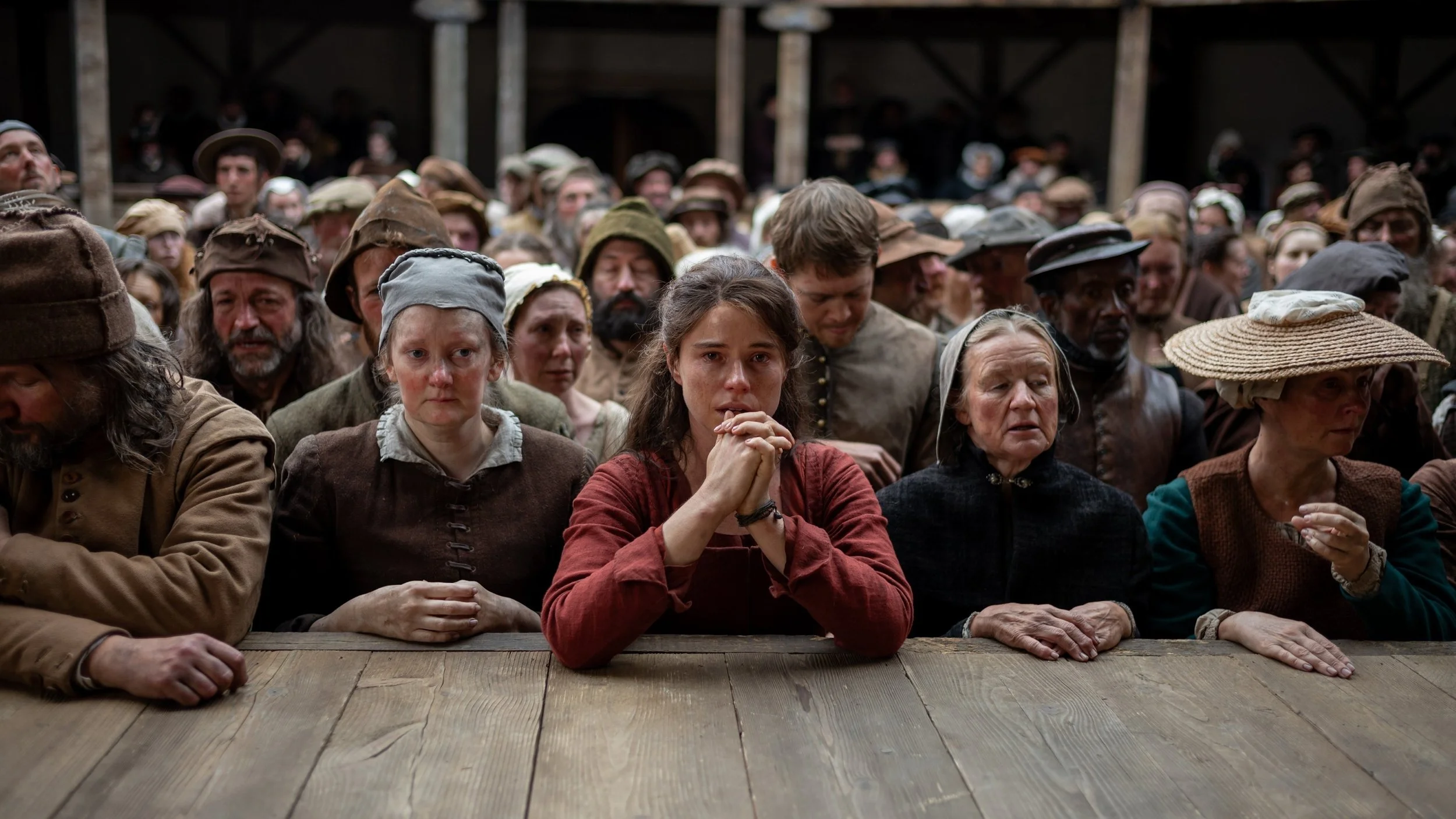
Now, I’ll go ahead and get my greatest take out of the way—Jessie Buckley’s performance in this film was single-handedly the best acting I’ve ever had the pleasure to watch on screen. I have never been so sure of who an Academy Award for best actress should go to. I was so moved by her ability to portray the agony of loss and also the strength of motherhood. After the death of Hamnet, Agnes wears her pain openly, raw and consuming, while William buries his, transforming it into words through his play “Hamlet.” Her sharp sobs and incomprehensible understanding of what has occurred in front of her after attempting to save Hamnet from death is one of my favorite scenes in the film. Throughout the scene, I could feel her pure exasperation and desperation, holding my breath with her. Chloe Zhao presents grief perfectly—as an emotion to which no cure exists, an excruciating presence that lingers forever. Buckley perfectly captures this; again, she was nothing short of perfection in this role.
Quickly, I also want to mention how brilliant Paul Mescal and Jacobi Jupe also were in their roles. Their bond was so touching and they left me with some of my favorite scenes of the film, in particular when he leaves for London and they keep elongating their goodbye. Also, I don’t know how you could not be left weeping at Jupe’s portrayal of the lasting love of a sibling bond. Especially as a twin, this hit me right in the heart. (Chance, my twin, likely would make fun of me if I got the plague, but it’s fine, I’d still trick death for him).
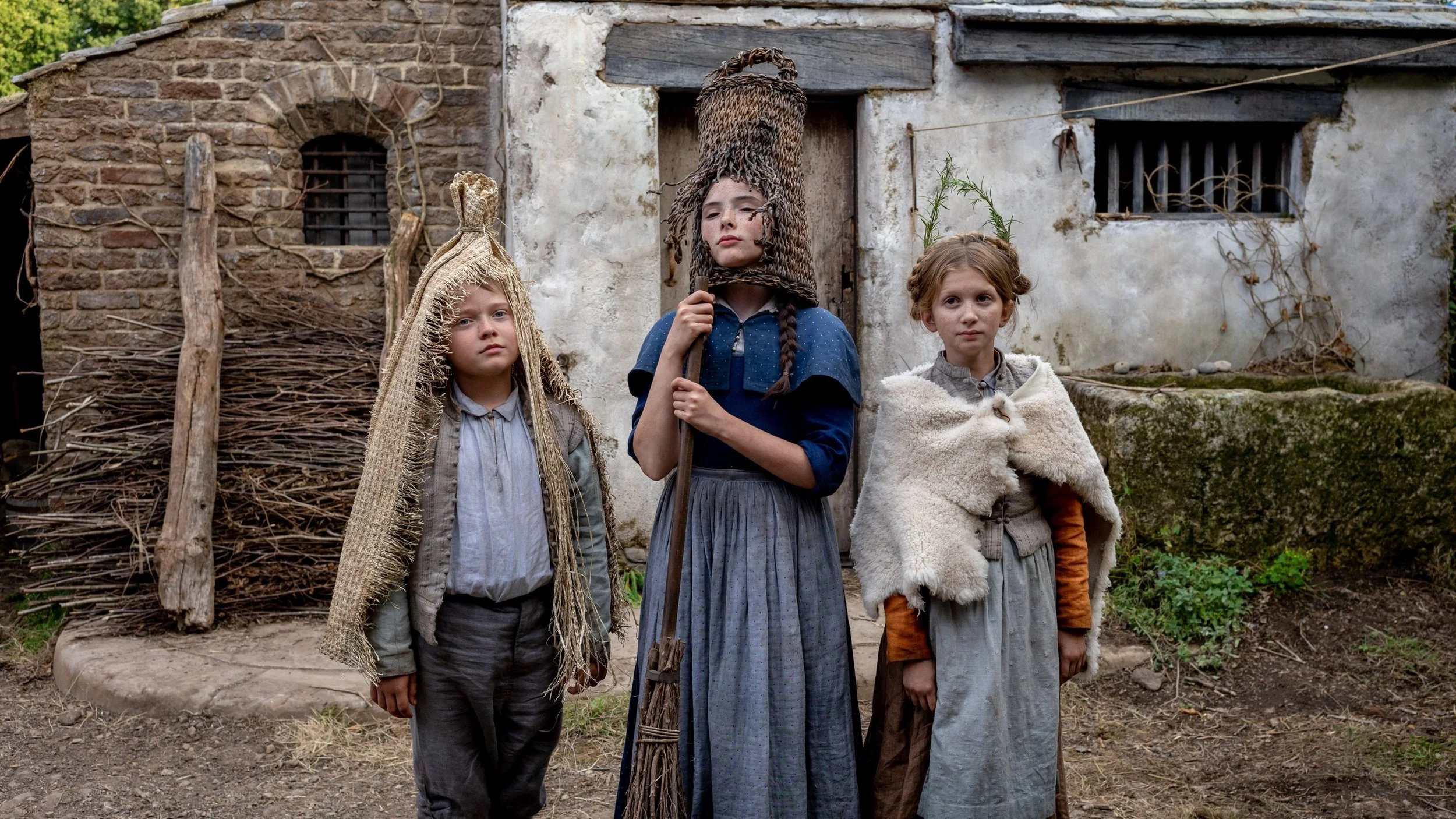
Jacobi Jupe, Bodhi Rae Breathnach and Olivia Lynes for “Hamnet” | TMDB
Aside from the astounding performances by the whole cast, I also have to credit the beautiful cinematography and visual elements of the film. You could feel the wind blowing through the trees, the dirt on your hands. Not to mention, I admired the use of colors to represent each of the characters. Zhao said she used color as a symbolic, internal language. Will is seen as blue (intellect, throat chakra), while Agnes is red (the beating heart, root chakra), to further represent their opposing experiences in grief. As the tragedy unfolds, you really begin to feel the way in which both of the characters can’t begin to understand one another, until the end of the film.
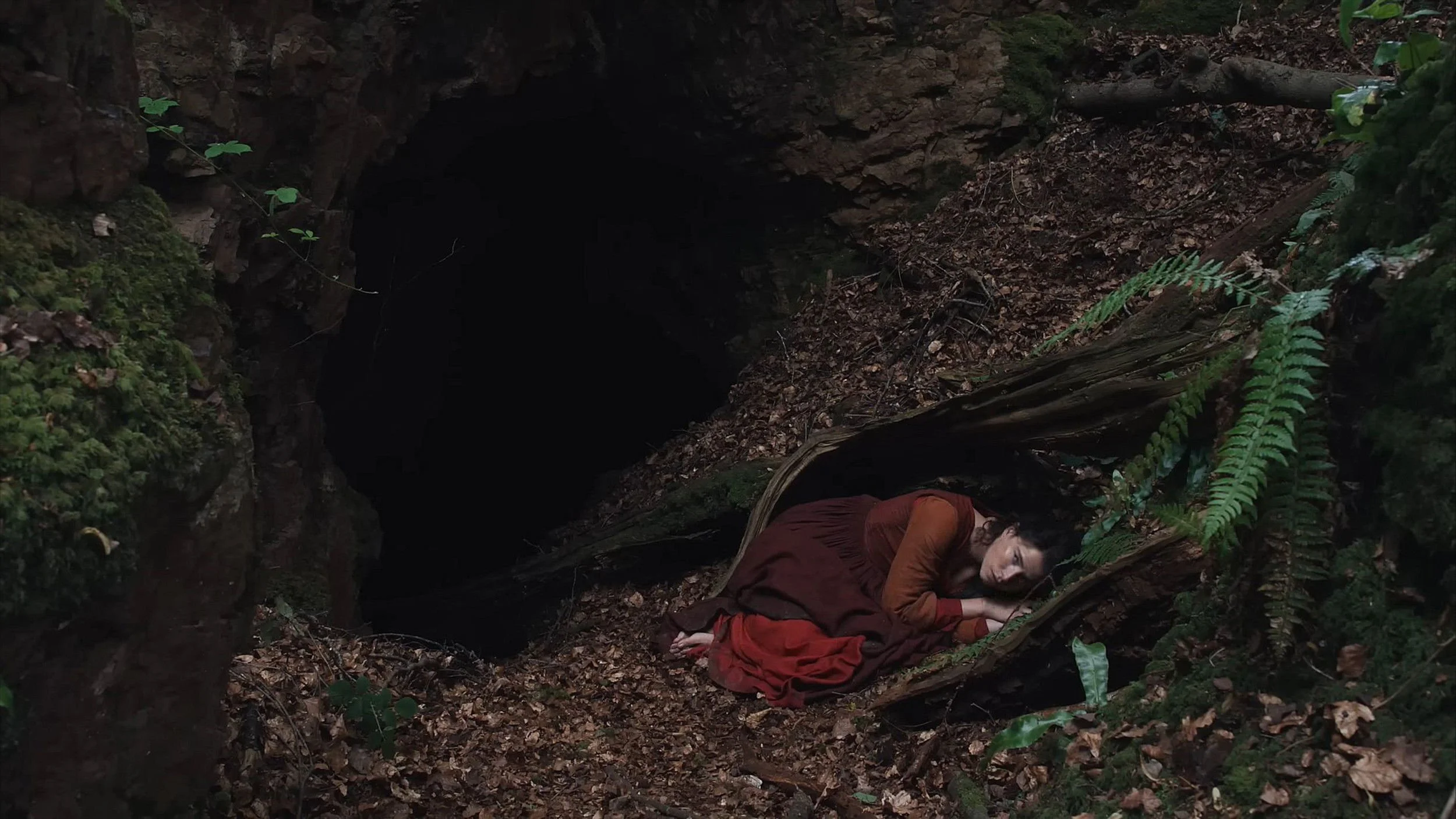
Jessie Buckley for “Hamnet” | TMDB
Which, speaking of, is my favorite portion of the whole movie.
The film concludes beautifully with Agnes coming to see William’s play he has been aimlessly working on in London, while she has been grieving by herself at their home in the countryside. What begins with a failed understanding of what any of this has to do with Hamnet, Agnes soon realizes how her husband has used art as a means of processing trauma. As the play progresses, we see the way in which she processes the clear reality that his work will continue to immortalize their son’s life through how the play touches the hearts of the audience. You feel the multitude of different emotions wash over her through her brilliant changing of subtle facial expressions. I mean—Jessie Buckley. You are something else. There are not many words I can use to describe the scene; you’ll just have to watch for yourself.
Jessie Buckley for “Hamnet” | TMDB
At the end of the day, everyone is affected by films differently. Sure, maybe this film impacted me more for whatever reason (I had to call my mom and thank her for everything). However, I think everyone could watch this film and at least leave with appreciation for the different elements it has to offer. If anything, it is a reminder to wake up with depths of gratitude for life and those you love. It is clear there is so much heart and thought that went into creating such a piece of art. Personally, I feel forever endowed to everyone in the cast/crew for leaving me with one of my favorite movie experiences, even if it is quite a contrast to when Paul Atreides rides the desert worm in “Dune: Part Two.” Not only do I love sobbing at a film, but I love love- and we all know the world needs more displays of that right now. So with that being said, I hope you enjoyed my review of Hamnet. I really could write about ten more pages on the film, but for now, I’ll leave you with this.
Strike Out,
Cira Thigpen
Editor: Meghan Bosman
Athens