Wearing the Resistance: Fashion as a Tool of Protest
Fashion has historically been a political outlet. From zoot suits worn by Mexican and Black Americans in the 1940s to symbolize cultural resistance in the face of racist policing, to black-and-white keffiyeh-patterned apparel worn internationally to stand with Palestine, the two opposing spheres often overlap to communicate and reflect societal issues, movements and economic uncertainty—clothing becomes a public testimony. As we approach major runway events for the 2026 season, it’s difficult to focus on high-profile glamour without acknowledging the world’s decline. With the global rise of authoritarianism that actively targets small communities and silences dissent, it’s times like these where individuals are facilitating the resistance through style.
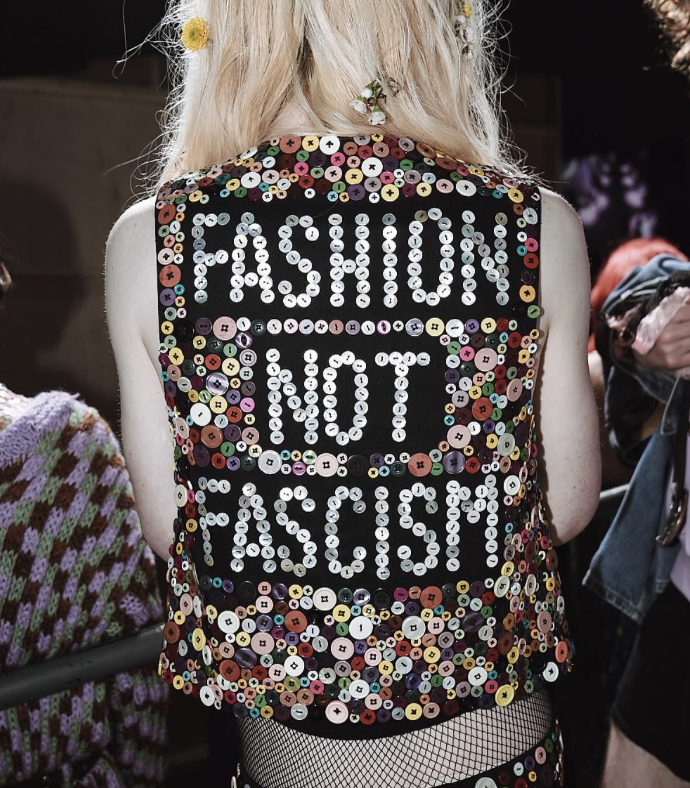
BTS of Ashish’s AW25 “Walk Of Shame” in London Fashion Week | Alexis Lawless on Instagram
Fighting against oppression is inherent in human nature. Fashion has long been used to shape public opinion and drive change. In ancient times, a person's clothing was a primary means of classification—how one dressed signified their class, social status, and regional affiliation. However, this principle began to collapse in later years, with sex and gender becoming the main components in fashion. One of the earliest known uses of fashion as a political statement was during the French Revolution in the 1700s. Throughout the struggle for political change, red, white and blue became symbols of solidarity and national pride, evident in fashion: womenswear had the patriotic colors in striped silk gowns, skirts and caracos, with matching tricolor accessories adorning their elegant costumes, while menswear featured the patriotic hues in striped or diamond-patterned three-piece suits, coats and breeches. Although most aristocratic citizens wore the colors exultantly, not all supported the revolution, conveying their frustrations in full mourning attire as a gesture of condolence for the monarchy.
One of the most culturally significant movements for fashion and resistance was the historic Suffrage Procession in 1913, becoming the first civil rights march. Led by the National American Woman Suffrage Association, also known as NAWSA, thousands of women marched down Pennsylvania Avenue to advocate for women’s right to vote in a courageous display of unity and energy. During this era in the United States, women struggled for the right to vote for more than sixty years, only serving to be politically pliable. After several unheard petitions for women's enfranchisement, the NAWSA hosted the first suffragist parade. The suffragettes wore flowing white gowns with purple and gold sashes, strategically picked to present a visual statement. The white dress signified purity of purpose; the purple symbolized justice and loyalty to the nation; the gold stood for courage and enlightenment during their struggle for equality. The ensembles empowered women to contest stereotypes and redefine contemporary women.
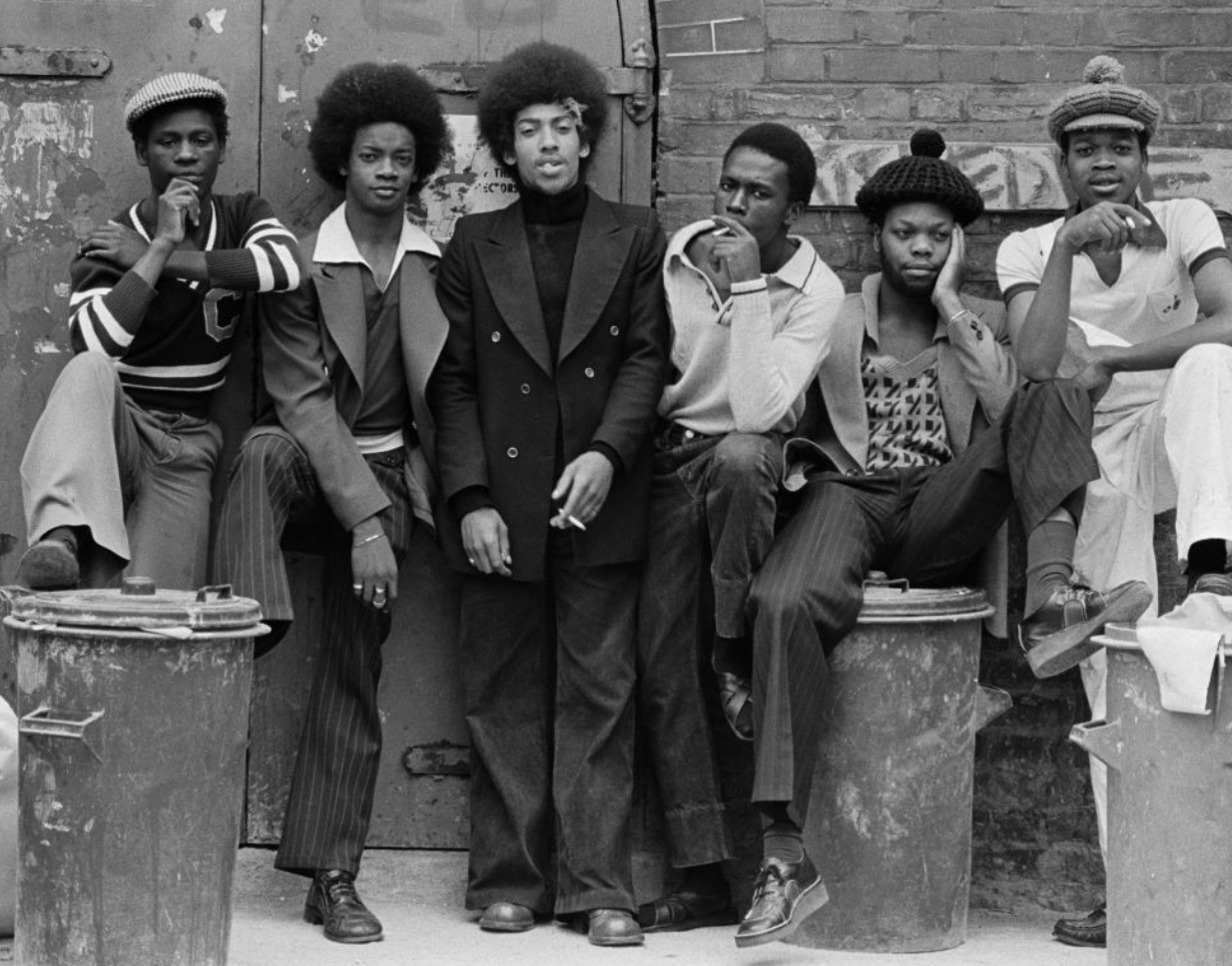
The Black House by Colin Jones | CNN
Another movement where clothing became a powerful tool for protest and social change was Black dandyism. From a sharply tailored suit to polished leather shoes, Black dandyism was a fashion revolution that occurred during the Harlem Renaissance in the 1920s; a cultural statement that celebrates Black connoisseurs and artistic expression during racially segregated America. As a bold move to rebel against conventions, Black men defied the categories of race and class by dressing assertively, including bow ties, extravagant accessories and vivid color palettes. For the marginalized, the clothes were more than mere aesthetics—they were a protest against their rights to exist peacefully and with dignity. To be seen was to be heard, and the Black community refused to have their lights dimmed and volume muted. Today, Black dandyism continues to flourish, transforming modern styles on fashion runways through historical influences.
Social media offers levity during distressing times through aesthetic trends. While they are fun to dress up in, every trend is a single thread in the fabric that makes up our history. Fashion trends mirror stories of social norms and values from the past, using them to maintain or subvert the status quo. We witnessed conservative idealism flourish during the 2024 presidential election in the United States—clean girl makeup, “old money” and “New Americana” clothing and the trad wife aesthetic were dangerous, recessive indicators of subtle fascism. This time around, we’re seeing a primed Tumblr revival: gritty moodboards, provocative music and rave-centric spontaneity. The indie sleaze aesthetic has been primarily associated with youthful liberation and economic decline in the wake of the Great Recession from 2007 to 2009; as we see the economy make another slow dip, young people are fleeing to their digital sanctuaries to revive the nostalgic subculture and defy the rise in conservatism through accessibility and anarchic fashion, like thrifted leather jackets, DIY-ed ripped jean shorts and cheetah print galore.
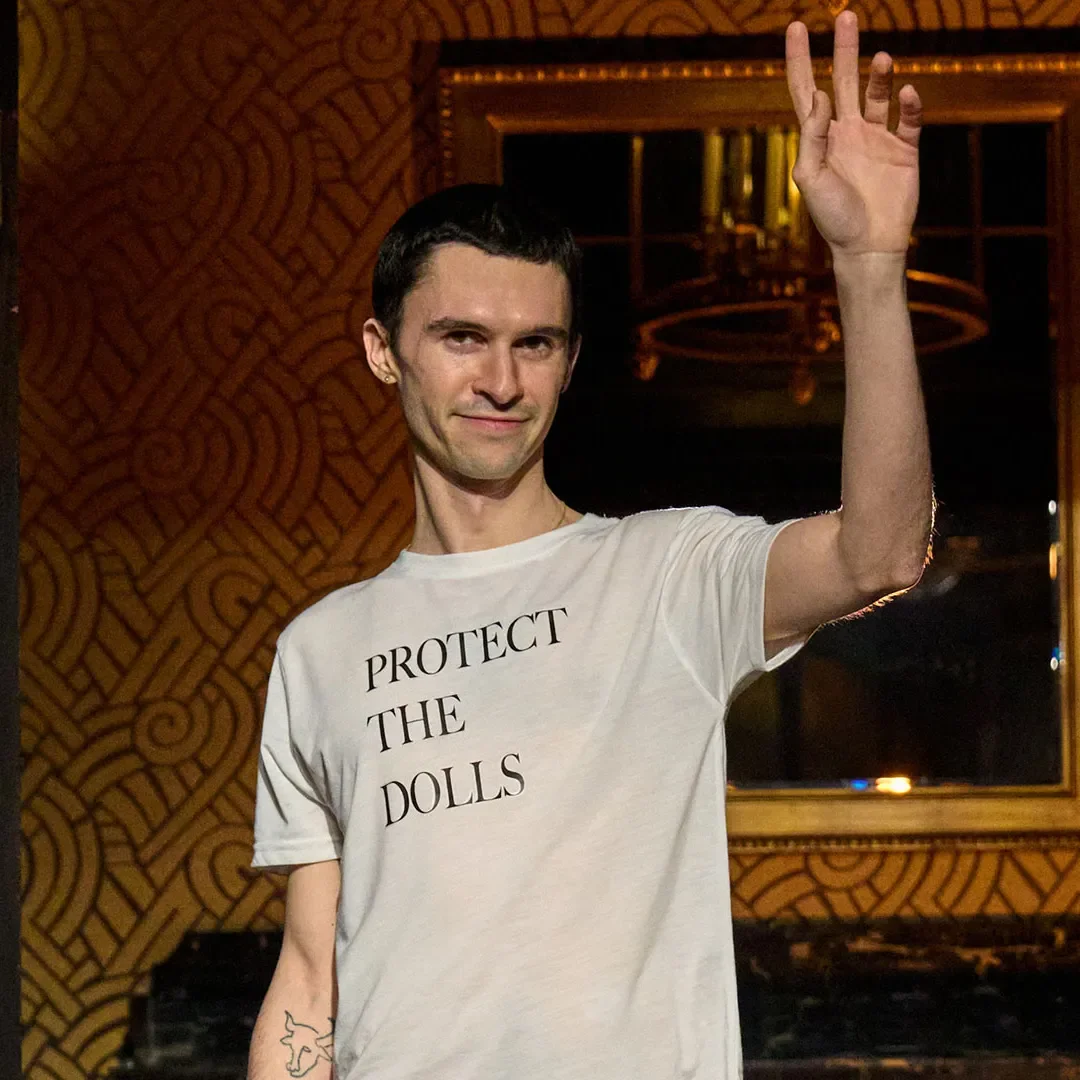
Connor Ives at his FW25 show wearing his “Protect the Dolls” slogan tee | Glamour Magazine
Most recently, during the 2026 Grammys, high-profile celebrities wore ICE Out pins, a subtle signal of protest against the violence impacted by ICE agents as tensions continue to rise across the United States. Big and independent brands, including Mazahri and Marc Jacobs, are standing in solidarity with small, oppressed communities by donating to organizations and spreading awareness. Another moment when celebrities adopted fashion to resist is the “Protect the Dolls” shirt designed by Connor Ives in 2025 that demonstrates his solidarity with trans women, whose rights are actively being challenged. Celebrities like Pedro Pascal and Troye Sivan were seen wearing the tee as a political statement, which helped rack up sales that ultimately go to LGBTQ+ Lifeline. These actions feel increasingly important and necessary, and as more celebrities and brands speak out, it sets a collective tone that others can follow and support. It also leaves other conglomerates that are silent on the issues to be disregarded, as consumers are more likely to purchase from brands that align with their own views and values.
Protest fashion laid the foundation for using clothing as a means to combat injustice and advocate for change. While legacies from previous times persist in modern political movements, we continue to strive for societal and cultural change, as progress seems to be going backwards. From obvious messages printed on a garment to elusive acts of protest, we consistently raise our voices swiftly and globally to live in a world free from oppression and discrimination. Fashion serves as a medium of self-expression; without the historical events interwoven into the tapestry of our clothes, accountability would be absent, and the future would stagnate.
Strike Out,
Linette Garcia
Miami
Linette Garcia is a senior at Florida International University, majoring in Psychology and minoring in Public Relations, Advertising, and Communications. Linette's work explores the intersection of fashion and pop culture trends, examining their profound impact on our daily lives. Her writing has appeared in Strike Magazine's Print Issues 08 and 09. When she is not writing, she enjoys watching niche animes and star-gazing at the nearest park.