When Home Isn’t Familiar
THE CULTURE SHOCK
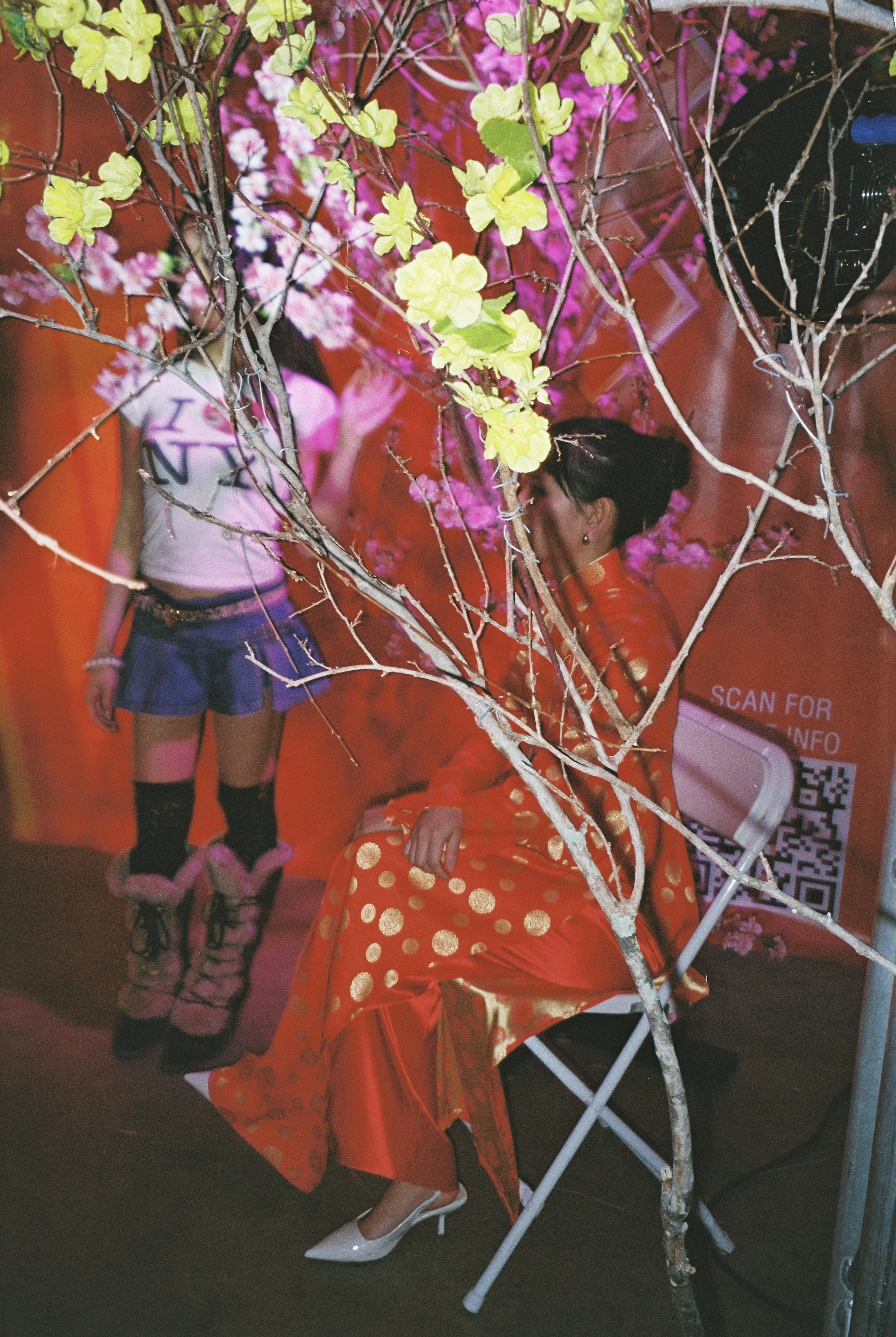
For a long time, I believed home was supposed to be constant. It was the fixed point on the map, the place that waited patiently while I went out and became different versions of myself. Returning home would feel like slipping into an old coat: a little worn, maybe, but still mine.
Then, you had to move.
Instead, coming home sometimes feels like stepping into a room where all the furniture has been left in the same place, but the air has changed. The walls are familiar, yet something in them no longer speaks my name.
That’s the first culture shock no one warns you about: the shock of returning to something that felt native and finding it unbearably, albeit subtly, altered.
There’s still a coffee shop near the house, but now it feels curated, like a memory that shines too brightly. The road to the house is still made of asphalt, but the distance is flat and seems to be rewritten. Your bedroom still consists of all the same things that made you feel safe, but now feels like old relics of who you once were.
Home, I’ve learned, is not immune to time. Neither are we. That may be the cruelest intimacy of it, that the place you left keeps living without you.
When you return, you expect recognition. Yet, you often encounter a changing of habits, seasons, weather, evolution. A low-level vertigo, a private disorientation. The realization rips into you faster than you thought, like a gap between a broken seam: This isn’t home and you don't know where home is.
There is a strange loneliness in unfamiliarity. Now, you have lived in other rooms, learned other rhythms, and acquired foreign instincts. Maybe you pronounce things a little differently, move through rooms with more caution, or even find confidence that hasn’t existed in a long time. Small migrations, but migrations all the same. Bringing them home almost feels like trespassing.
I do not think that this unfamiliarity is always a loss. Sometimes, it is evidence that life has stretched us beyond the geography that made us. It is proof that we have been somewhere else long enough to be changed by it. Culture shock is usually framed as an encounter with the elsewhere, but there is another kind that happens in the most special place of all: when your origin no longer reflects your present self.
You stand in the place that made you, and for a moment, you cannot find the version of you that it was built to hold.
Maybe that is why home is so difficult to define. It is not only a destination but a negotiation between memory and reinvention. It's a place you return to with the dangerous hope that nothing has changed, only to discover that such is the price of going on living.
Familiarity is not a promise, only a season. That’s the biggest culture shock of all.
Home can remain beloved and still feel foreign. It can cradle you and estrange you in the same breath.
You can love a place deeply and still outgrow it. You can always come home and feel, with acting clarity, that the person who left is no longer the person who returned.
Strike out,
Orlando
Written by: Arsheeya Garg
Edited by: Delaney Gunnell & Sarah Franquelo
Photography by: Maddy Campbell
This narrative piece was written for Strike Magazine Orlando’s Issue 12: The Search For Identity. Check out the rest of the magazine and Arsheeya’s work, available online now!