Ziggy Played Guitar: David Bowie & Trans Androgyny
THE INNOVATOR
David Bowie’s Ziggy Stardust persona took place during a very short period of his extensive musical career, lasting from 1972 to 1973 and marking the release of the groundbreaking concept album The Rise and Fall of Ziggy Stardust and the Spiders From Mars. Widely considered to be one of the best rock albums of all time, Bowie brought glam rock to the forefront and created a titular character beyond anything we had seen before.
The story of Ziggy Stardust follows an androgynous alien who comes to Earth to deliver a message during its final five years of existence. While on our planet, he forms a band and is treated like a god by the people of Earth, before succumbing to the perils of fame and greed. The story of the album itself would be enough to cement his place in history. Then comes Bowie’s stage persona as the iconic Ziggy Stardust.
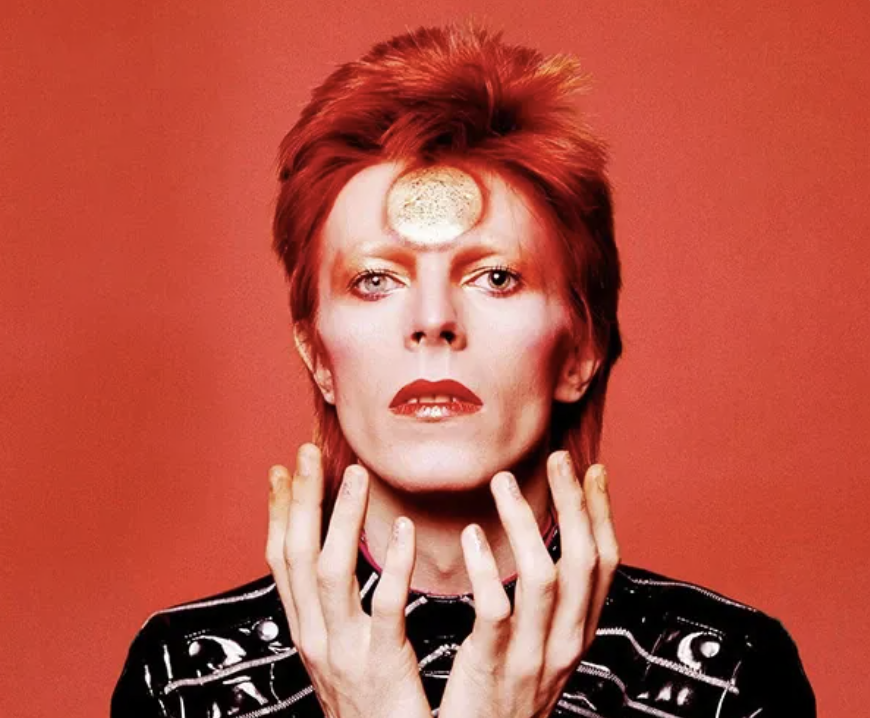
Image Courtesy: Costumewall
Bowie had been known for his experimentation with feminine fashion prior to 1972, most notably in the album covers for The Man Who Sold The World and Hunky Dory. Ziggy marked the beginning of something else altogether: a complete rejection of the gender binary.
The existence of the Ziggy Stardust character as a nonbinary and trans person is nearly unbelievable. If artists like Harry Styles still get backlash for feminine presentation, then how did Bowie do it over 50 years ago?
David Bowie himself never claimed the title of trans, nor did he stick with one presentation for the rest of his career. Many characters and eras came after Ziggy, most notably Aladdin Sane. Ziggy Stardust’s place in pop culture represents something else, something more. With Ziggy Stardust, Bowie showed that nothing, not even gender, could restrict a human being into one form, that you could change and mold yourself into whatever you wanted to be.
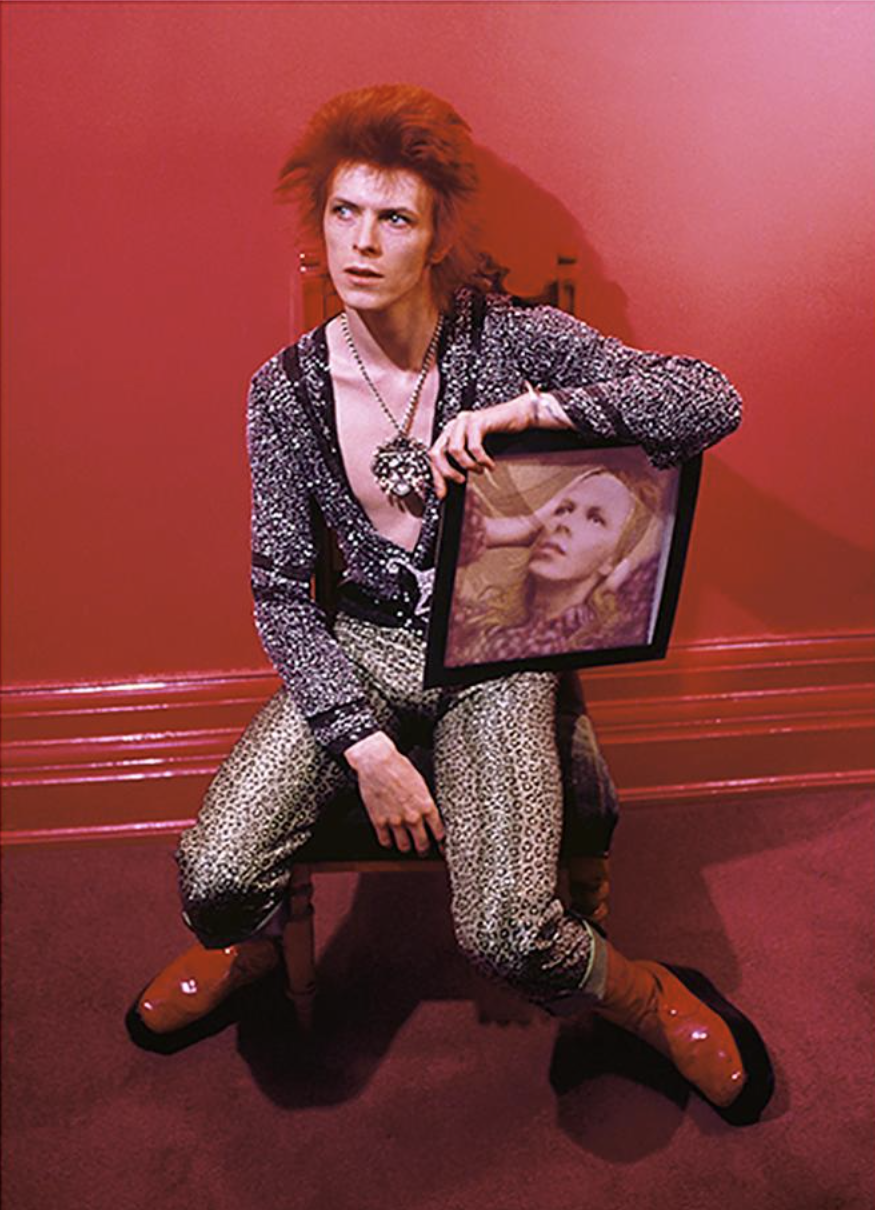
Image Courtesy: VICE
The gender binary is one of the strictest rules enforced on us in society. Even when you acknowledge that you fall outside of the binary, there is immense pressure to be “androgynous” in a way that perfectly mixes male and female presentation, or that transmasc people can’t be feminine, or transfem people can’t be masculine, to be validated for who they are. Bowie, as Ziggy, was brave enough to challenge this notion and to effectively destroy the idea that there are only two ways of existing as a person in society. Ziggy Stardust shows the trans community that we can innovate and create the version of ourselves we long for.
Strike Out,
Orlando
Written By: Hadley Balser
Edited By: Delaney Gunnell and Arsheeya Garg
This commentary piece was written for Strike Magazine Orlando’s Issue 12: The Search For Identity. Check out the rest of the magazine and Hadley’s work, available online now!