How ‘Coloring Book’ Rewrote the Music Industry
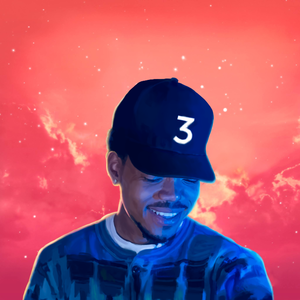
Image Courtesy: Chance the Rapper
May 13, 2016 was the day the music industry changed forever. Chance the Rapper released his third mixtape, Coloring Book, combining a soaring amalgamation of gospel, rap, old-school Chicago house and contemporary Atlanta trap with synths and organ to create what NPR considered “the happiest album on the mainstream hip-hop radar.” At a time when darker soundscapes dominated the mainstream hip-hop scene and a turbulent cultural climate, the radical, uninhibited joy of the mixtape felt like taking part in a collective celebration.
The project earned both high critical and fan acclaim, going on to be considered one of the top albums of the year by NPR, Billboard and Rolling Stone. In its first week, the mixtape was downloaded 600,000 times, eventually receiving its Recording Industry Association of America (RIAA) Platinum certification 10 years later. Through the massive commercial and critical success of Coloring Book, Chance the Rapper pushed the boundaries of what success means for independent artists and signaled the paradigm shift to music streaming dominance.
The rise of streaming revolutionized not only the music industry's revenue model, but its artistic landscape. It leveled the playing field for independent artists by giving unprecedented access to global audiences without having to rely on radio play or physical distribution. Chance leveraged this newfound access by partnering with Apple Music for a 2-week exclusive release of Coloring Book before it was available on other streaming platforms, marking his first widespread release. In exchange for the exclusive initial release, Chance received $500,000 and a commercial. The partnership propelled the popularity of the mixtape and made it the first streaming-only release to ever make the Billboard 200, peaking at #8 on the chart.
Coloring Book then went on to win multiple Grammys at the 59th annual awards ceremony, with Chance taking home the awards for Best New Artist, Best Rap Album and Best Rap Performance for “No Problem.” His wins were the first time any artist had won a Grammy for a mixtape, and the first time in history that a streaming-only release even received a nomination. This came as a result of the Grammys reworking their eligibility rules from requiring physical or digital sales to include streaming-only projects. This rework coincided with a fan petition for the Recording Academy to change its rules to give more recognition to independent artists which gained over 40,000 signatures, with backing from Chance himself.
This impressive response to Coloring Book didn’t just challenge major label dominance, it redefined the financial and cultural viability of independent music by rewriting what success for independent artists could look like and giving more credibility to streaming-only releases. In an interview with the Grammys, one of Chance’s collaborators on the mixtape stated, “I never anticipated a nomination from any award ceremony. I didn't believe that an independent artist in 2016 was even in consideration for legit accolades, but Chance was the one that showed us you could do it.” Following Chance’s breakthrough success, Ditto Music CEO Lee Parsons has noted that more and more artists are considering an independent path.
The legacy of Coloring Book is clear today: Over half of the Grammy nominations in 2024 went to independent artists, while Billboard changed the rules of the Hot 100 chart to keep pace with rapid streaming trends by shortening the amount of time tracks spend on the chart. To this day, Chance continues to be an independent artist without a record label to back him, even turning down $10 million in advances to do so. Through his mixtape Coloring Book, Chance the Rapper proved that it’s possible for an artist to achieve massive commercial and critical success without ever selling a physical or digital album.
Strike Out,
Orlando
Written By: Jaz DeGuzman
Edited by: Brenda Nunes and Kaitlyn Clarke
Jaz DeGuzman is a copy editor for Strike Magazine, Orlando. As a computer science graduate student at the University of Central Florida, they blend analytical rigor with editorial expression to examine creative scenes. When they're not busy yelling at their code to work, you can find Jaz moshing at a concert, hunting for the next perfect cup of coffee, or playing way too much pinball.