
Bad Bunny’s Music Is For Everyone
Graphic Designer: Laiba Mubarak
Bad Bunny’s rise to global superstardom has posed several challenges to long-standing assumptions about his music, such as who his music is intended for and which of the world’s biggest stages are open to his work. As a Puerto Rican musician whose music is sung almost entirely in Spanish, Bad Bunny’s audience stretches far beyond Hispanic and Latin cultures, demonstrating that music doesn’t necessarily have to be translated to be understood. With rhythm, emotion, and showmanship, Bad Bunny’s music is made for all to connect with, despite not understanding its words. Ultimately, music is about feelings, not a person's understanding. Bad Bunny’s music lives and breathes on the power of its rhythm and emotion, and those unable to speak Spanish can often recognize and describe the emotion of his music almost immediately. In this way, Bad Bunny’s music represents how humans have enjoyed global music since the beginning of time: through rhythm and movement, not understanding.
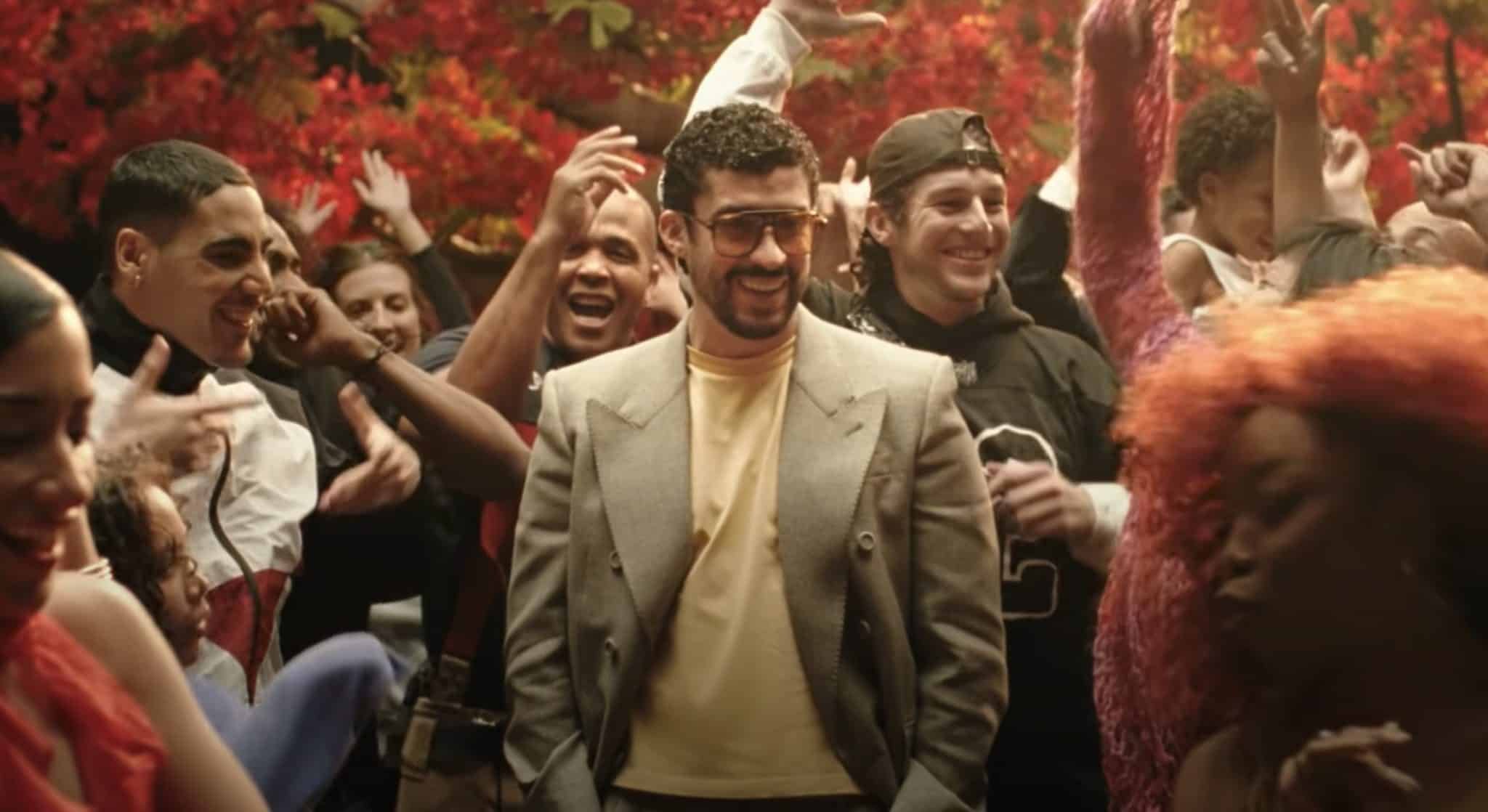
Image Courtesy: Apple Music
His performances also serve to emphasize this point. Bad Bunny does not simply perform for audiences, but he performs along with them. His concerts, music videos, and public performances are constructed in such a way as to incorporate the energy and experiences of the audience. This is especially significant in a field that has traditionally treated non-English music as niche or secondary. Regardless of this, Bad Bunny has been unapologetically himself, and the world has been along for the ride. The extent of his impact was most recently evidenced at the 2026 Grammy Awards, where his album, Debí Tirar Más Fotos, won Album of the Year. This victory marked not only the first time that a Spanish-language album has ever won this award, but it also marked the first time that Bad Bunny has won Album of the Year. This victory also serves to further emphasize that music has the ability to transcend language and cultural barriers.
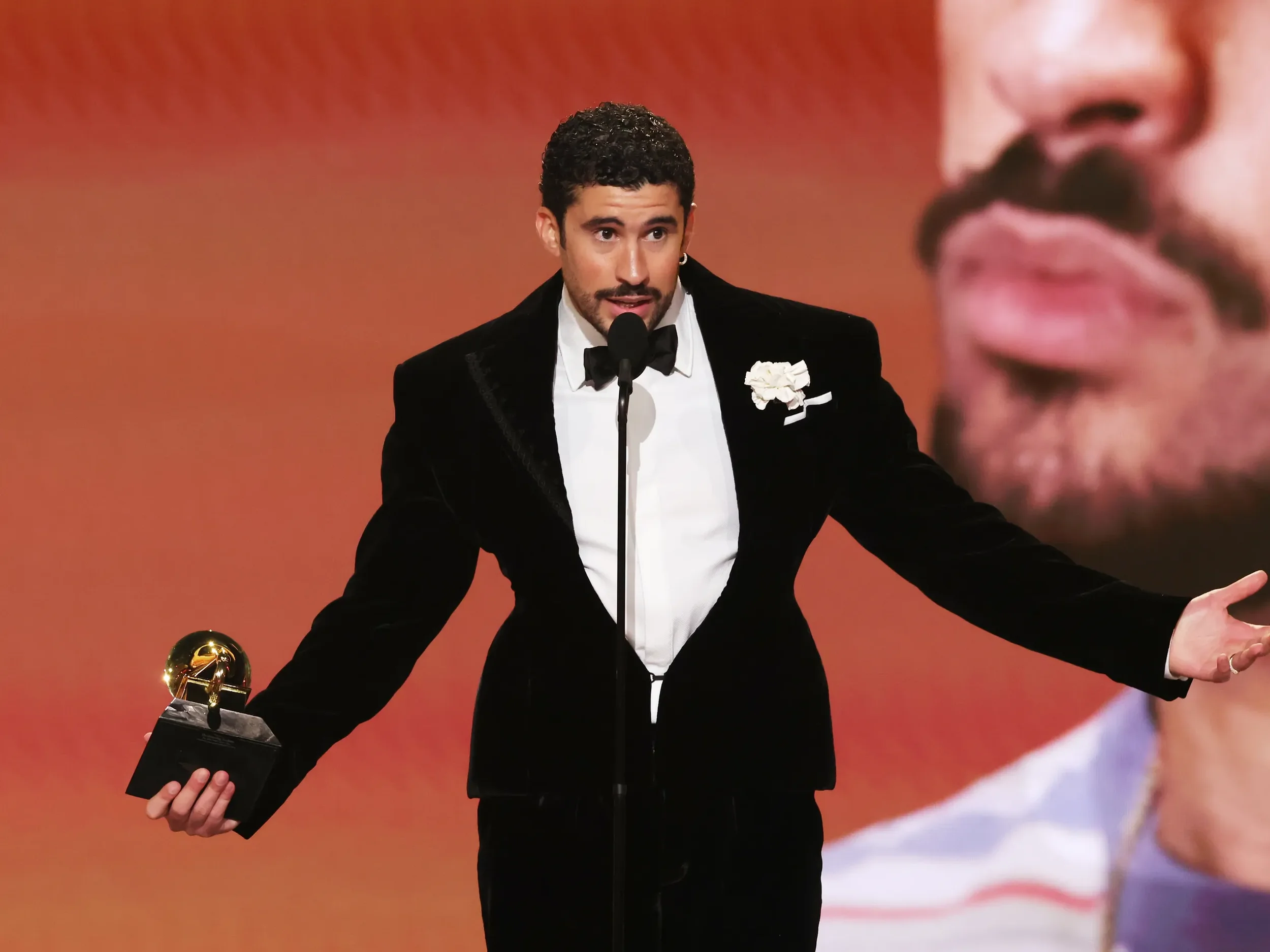
Image Courtesy: Pitchfork
However, most recently, the backlash against his selection to perform at the Super Bowl has brought the conversation surrounding language, representation, and who has a place on the “mainstream” stage once again to the forefront. Many critics have argued that because he is a Spanish-speaking artist, he would be unable to relate to such a wide scope of the American population, revealing the outdated idea that achieving connection is only possible through fluency. However, this fails to consider the success he has accomplished through the Grammy he has received, and the fact that he has reached the top of the streaming game, as his audience is not only ready for diversity but is ready to embrace it. Bad Bunny’s success is because he does not try to explain himself or make changes to reach the expectations of the mainstream. Instead, he lets the listener connect with him how they want to, allowing the emotions and the music to guide understanding.
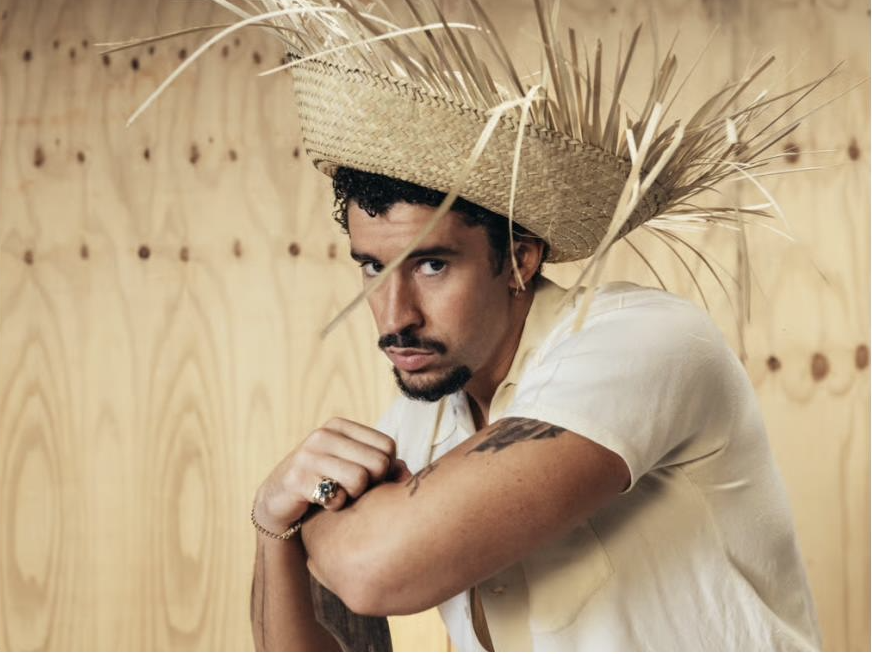
Image Courtesy: Huck Magazine
Bad Bunny’s ability to transcend cultures also speaks to the nature of music as a universal human experience rather than a strictly linguistic one. Long before the advent of music streaming and charts, people came together on the basis of music, dance, and participation. Bad Bunny’s music is a homage to this very notion, encouraging people to realize that music is meant to be enjoyed, not necessarily understood. Evidence of this can be found with his fans all over the world singing along to his music phonetically and dancing to his beats. Ultimately, Bad Bunny’s continued success speaks to the fact that music is a universal tool meant to bring people together rather than tear them apart. By remaining true to himself and his art, Bad Bunny has proven that his music is not just for one particular community or demographic, but rather it is, and will always be, for everyone.
Strike Out,
Writer: Laila Simmons
Editors: Melany Rodriguez, Dani Hernandez
Graphic Designer: Laiba Mubarak
Tallahassee