You don’t usually grow up dreaming of being a marine biologist and a pop star at the same time.
For Zechariah Singh, known as Mabiopop, the two were never exclusive. What could seem like an interesting combination of interests could become the foundation of an artist's identity that embraces experimentation, curiosity, and the freedom to be, beyond conventional labels.
Zechariah brought years of experimentation and imagination to the public with the release of his debut album. He comes from a multicultural upbringing where he blended music, and fashion to create something that is an extension of him rather than a created persona.
Born in Germany to an African American mother and a Guyanese Indian father, Zechariah grew up moving between countries due to his father's military career. He first came to the United States in 2010 where he continued to experience different cultures and environments that shaped his view of the world.
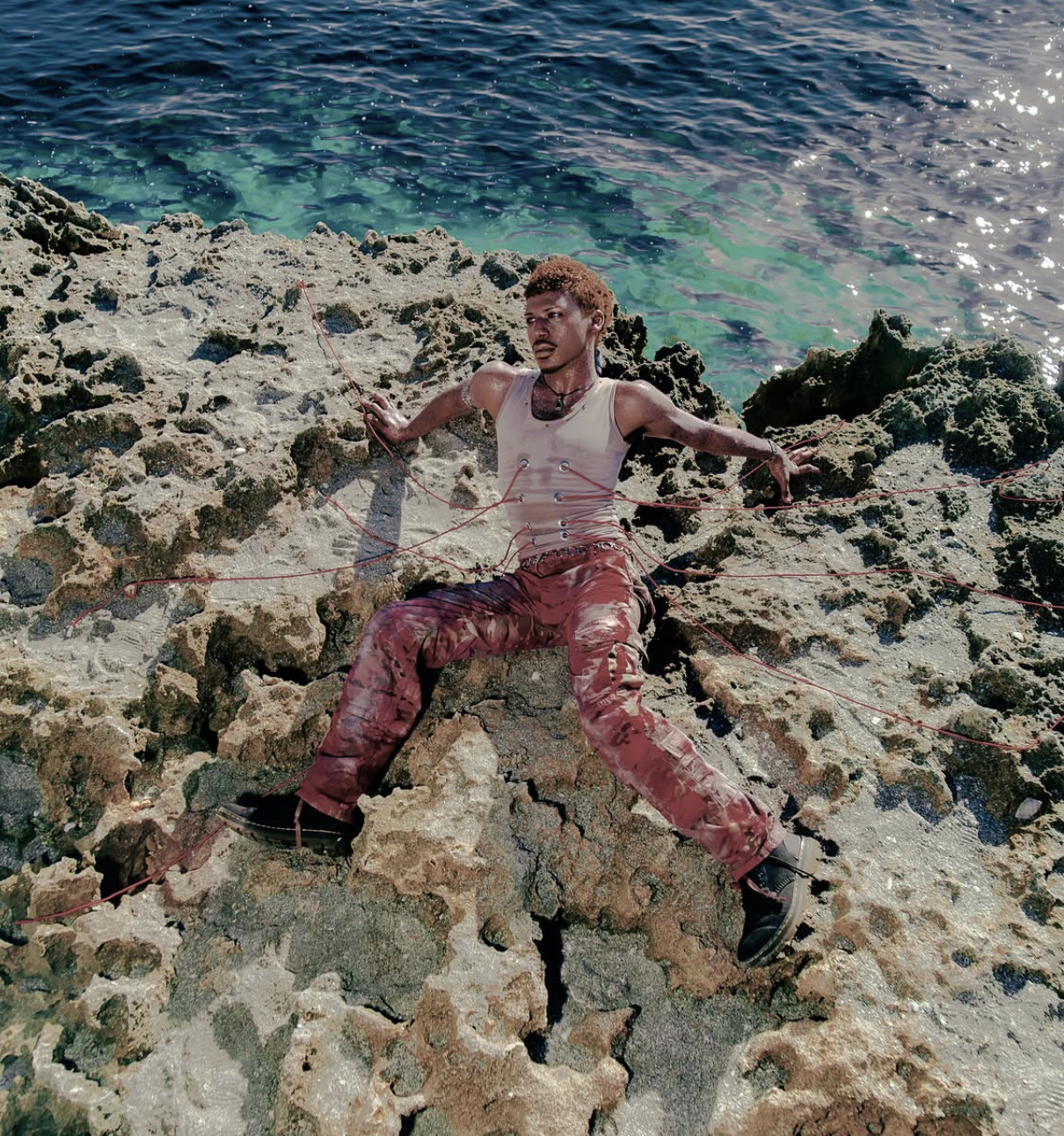
MABIOPOP’s Mud Life | Instagram
Interviewer: What made you decide to choose that name for yourself?
Mabiopop: The name came from a childhood dream of becoming a marine biologist and pop star. After graduating from fashion school, I attended a church service where the pastor encouraged us to reflect on our purpose and write down what we wanted to do with our lives. I remembered that dream and realized how much it still represented me. I've always been interested in nature, music, dance, and fashion, so I combined those interests into the name Mabiopop. It felt authentic to who I am and what I want to create.
The name reflects more than just a combination of interests. It represents Zechariah's belief that creativity does not have to exist within one category. His fascination with the natural world influences the way he approaches music, while his interest in fashion shapes how that music is presented visually.
Curiosity is what connects everything for him and the connection is very apparent in the relationship between his music and personal style. Rather than using fashion to create a consistent and recognizable image he views it as an essential part of the creative experience.
Interviewer: How important is fashion to your identity as an artist?
Mabiopop: Fashion is just as important to my artistic identity as the music itself. It's a physical expression of what I'm feeling and trying to communicate. Music creates the atmosphere through sound, while fashion brings that vision to life. Everything from my clothing to my hair and jewelry contributes to the experience. It's not about becoming someone else, but expressing a more amplified version of myself. His connection to fashion started long before he created the album. While in fashion school, he remembers being asked why he loved fashion and wanted to design clothing. His answer surprisingly was not about fashion, but rather he talked about music. He explains that the two have always felt inseparable to him.
A garment can communicate just as much as a lyric can for him. The way someone dresses, moves, or presents themselves can establish an identity without requiring an explanation. Fashion allows Zechariah's to bring the emotions behind his music into the physical world. His artistic persona is not necessarily a character separate from his everyday self, but a version of himself that feels more expressive, confident, and unrestricted.
That freedom to explore different sides of his identity is also reflected in the music he creates.
Interviewer: Who are you when you aren't making music?
Mabiopop: I think making music has actually helped me understand who I am outside of it. I've realized that I'm really interested in the opposites that exist in life, like strength and vulnerability or happiness and sadness. There's something bittersweet about how those emotions can exist together. Through music, I've discovered a more confident and expressive side of myself, someone who isn't afraid to be vulnerable, connect with people, or fully embrace who he is.
Throughout the interview, Zechariah repeatedly returned to the idea of opposites. Rather than viewing conflicting emotions as something that needs to be resolved, he finds inspiration in the way they coexist.
His music becomes a place where vulnerability can exist alongside confidence and where darker emotions can be explored without losing a sense of hope.
One track from the album captures that philosophy particularly well.
Interviewer: Which song on the album tells us the most about who you are?
Mabiopop: I would probably choose "Light Soul," although it's difficult because every song represents a different side of me. That song actually started with something really simple. I took a selfie and noticed how bright my eyes looked. It made me think about what that brightness could mean beyond just my appearance. I started thinking about the light I carry within myself and how I can use that strength to overcome negative thoughts and difficult experiences. The song is about recognizing that light and using music, dancing, and self-expression to celebrate it.
What began as a passing observation developed into a larger reflection on inner strength. For Zechariah, light represents the ability to find confidence and hope despite the darker experiences that inevitably come with life. It is not about pretending those difficulties do not exist, but recognizing the power people have to move through them. The song also reflects his desire to create music that reaches beyond his personal experiences. Through expression and community, he hopes that sense of empowerment can become something shared. While Zechariah's creative ideas come naturally, bringing those ideas into reality has not always been as simple.
For years, music remained something he explored privately. As a child, he frequently imagined
starting bands with friends, planning music videos, and designing outfits despite having no
equipment or resources to produce them. Eventually, he began experimenting with music
software, learning how to manipulate sounds and create his own compositions. His interest continued through high school and college, but much of his work remained unseen.
After moving to Florida and experiencing rejection from different opportunities, Zechariah began
questioning why he had spent so much time imagining the life he wanted without fully pursuing it. That realization pushed him to take his music more seriously and begin working toward his
debut album.
Interviewer: What was the most challenging part of creating this project?
Mabiopop: The biggest challenge was definitely managing my time and learning how to turn my
ideas into something real. I have so many creative ideas, and I usually know what I want the
final result to look or sound like. Choosing the songs, developing the visuals, and figuring out the direction of the album came naturally to me. The difficult part was organizing everything, meeting deadlines, and making sure it all came together. I also had to learn how to ask for help instead of trying to handle everything myself.
Zechariah created a timeline for the album's production, promotion, and release party, hoping to keep each stage organized. However, as the release approached, he found himself still finalizing music while also managing the responsibilities of planning an event. Producing the release party introduced challenges beyond the recording process. From arranging the venue to organizing food and designing the space, Zechariah realized that bringing his vision to life would require the support of others.
He eventually turned to two close friends for help, an experience that challenged his tendency to keep creative projects to himself.Although he had spent years developing his music independently, Zechariah was hesitant to describe himself as self-made. He recognized that the encouragement and contributions of the people around him played an important role in making the release possible. The experience also revealed something about the kind of artist he hopes to become. Rather than creating solely for himself, Zechariah wants his work to encourage connection and collaboration.
Interviewer: Where do you see yourself and your music going after this album?
Mabiopop: I really want to become more involved in the creative community around me. I'm
surrounded by so many talented people, whether they're musicians, photographers, stylists, or
DJs, and I want to find ways for us to collaborate and inspire each other. I also want to perform more. I've only performed my own music twice so far, but I really love it. More than anything, I want to build a community around my music and continue creating with other people.
For Zechariah, the debut album is not simply a collection of songs. It is an opportunity to
connect the different creative interests that have shaped his life. His background in fashion, interest in photography, and experience with music production all contribute to a vision that extends beyond recording and releasing music.
He sees potential in the people surrounding him and hopes to create opportunities where those
different talents can come together. That sense of community also connects to what Zechariah ultimately wants people to take away from his work.
Interviewer: When people hear your name for the first time after your album release party, what do you want them to remember you by?
Mabiopop: I care more about how people feel after experiencing my work than whether they
remember my name. I want someone to listen to my music, see me perform, or connect with
what I'm wearing and feel more comfortable being themselves. If I can make someone feel
understood, curious, or more free to express who they are, then I've accomplished something
meaningful.
It is an ambition that says a great deal about the artist Mabiopop is becoming.
Recognition may create opportunities, but the experience he leaves behind matters more to
him. Whether through a song, performance, or visual statement, he wants his work to
encourage people to explore parts of themselves they may not have fully embraced.
That desire is closely connected to his own experience of finding the confidence to pursue music.
Interviewer: Can you introduce yourself, talk about your upbringing, and explain how you got
from the beginning to releasing your debut album?
Mabiopop: I was born in Germany, and because my dad was in the military, I grew up moving between different countries and experiencing different cultures. I came to the United States in 2010, and all those experiences influenced the person I am today. I've always been interested in music, even when I was younger and would plan imaginary bands and music videos with my friends. I started experimenting with music software in elementary school and continued producing music as I got older, but I kept a lot of it private. When I moved to Florida, I started realizing that my life wasn't looking the way I had always imagined. After dealing with rejection and opportunities that didn't work out, I decided I needed to take control of my own future. That's what pushed me to finally pursue the music I had always wanted to make.
There is something significant about the fact that Zechariah's debut album represents both a new beginning and the continuation of something that has existed since childhood. The music videos he once imagined without cameras, the performances he planned without stages, and the sounds he experimented with privately have gradually developed into an artistic identity he is ready to share.
His upbringing exposed him to different ways of living, his curiosity encouraged him to explore different creative disciplines, and his experiences taught him that pursuing the future he wanted would require action. Even now, Zechariah does not consider his debut album the completion of that journey. When reflecting on how far he has come, he described the experience as feeling like the very beginning.
And in many ways, it is.
Zechariah is still exploring the possibilities of his music, fashion, and creative identity. He has yet to define exactly what his career will become, but perhaps that uncertainty is part of what makes it interesting.
After all, the artist who once dreamed of becoming a marine biologist and pop star was never particularly interested in choosing just one path.
Now, with his debut album released and new creative opportunities ahead, Zechariah is beginning to discover what happens when imagination is finally given the space to become reality.
Strike Out,
Isabella Fenska
Miami
Isabella Fenska is a public relations coordinator for Strike Miami. She studies Public Relations, Advertising, and Communications at Florida International University, with a passion for fashion, photography, and storytelling. She plans to build a career in the fashion industry by combining her love for creativity with her interest in branding and media.