‘Bones and All’ And Queer Belonging
As someone who is a huge fan of all things gothic romance, not to mention queer cannibals ('Hannibal' NBC, anyone?) Bones and All has been on my watchlist for quite a while. For reasons that had much to do with the apprehension of sorrow, I put it off until about three weeks ago.
I was expecting a highly romantic, highly gory love story, and it definitely did not disappoint. One thing I didn’t expect, however, was the level of personal connection and emotion this film evoked in me.

Image Courtesy: Film-Grab
Things feel…a bit hopeless at the moment. As a queer person, it’s hard not to feel excluded, marginalized, and downright rejected in current U.S. culture. I am lucky enough to have a strong support system, a loving partner, and a close community of loved ones. In the face of the uncertain future, the value of togetherness is more essential to me than ever. When watching Bones and All, I saw the importance of this love reflected back at me. In Bones and All and the queer community’s historical and current reality, connection and support are what have helped the queer community survive and thrive for centuries, despite pervasive—and occasionally violent—“othering”.
The “othering” of the main characters, Maren (Taylor Russel) and Lee (Timothée Chalamet), takes many forms. They are rejected from modern society due to their inescapable cannibalistic nature, referred to within themselves as “Eaters”. As Eaters, they have rarely lived in one place permanently, often resorting to backpacking, homelessness, and theft to survive. They are wanderers who find each other and begin traveling together. Lee, who has a family back home, hasn’t stayed in one place permanently since he was a teenager. Maren, after being abandoned by her father when she turns 18, finds something completely new in Lee.
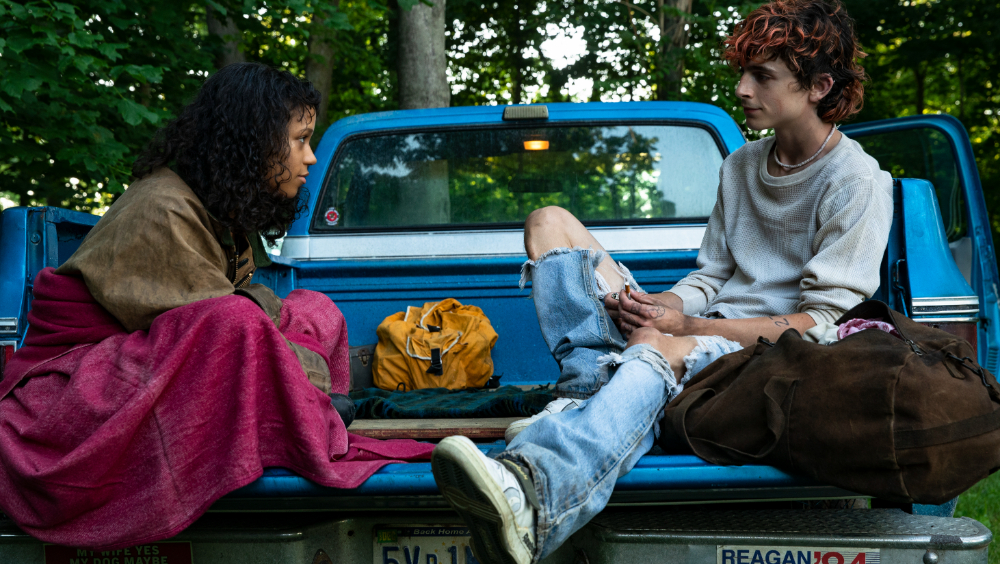
Image Courtesy: Freemantle
Maren, as the main protagonist, struggles against her nature for most of the film. When Lee and Maren’s tendencies result in the death of a child’s father, she tells Lee that they should “resist” this and that they don’t have to engage in these behaviors. This upsets Lee, who views this as a rejection of their kinship and of Lee himself. This results in Maren and Lee’s temporary separation, with both ending up alone again, but this time with a taste of what they’re missing. When the two finally reunite, they have a deeper understanding of what they mean to each other and the reality of belonging after years of repression.
Certain quotes from Bones and All really exemplify the queer experience. One exchange in particular is famous for its emotional weight. After confessing to the murder of his abusive father, Lee is shown to doubt his goodness, his worth, for the first time. In a striking moment of vulnerability, he says, “You don’t think I’m a bad person?” Maren, leaning close to him, foreheads touching, answers, “All I think is that I love you.”
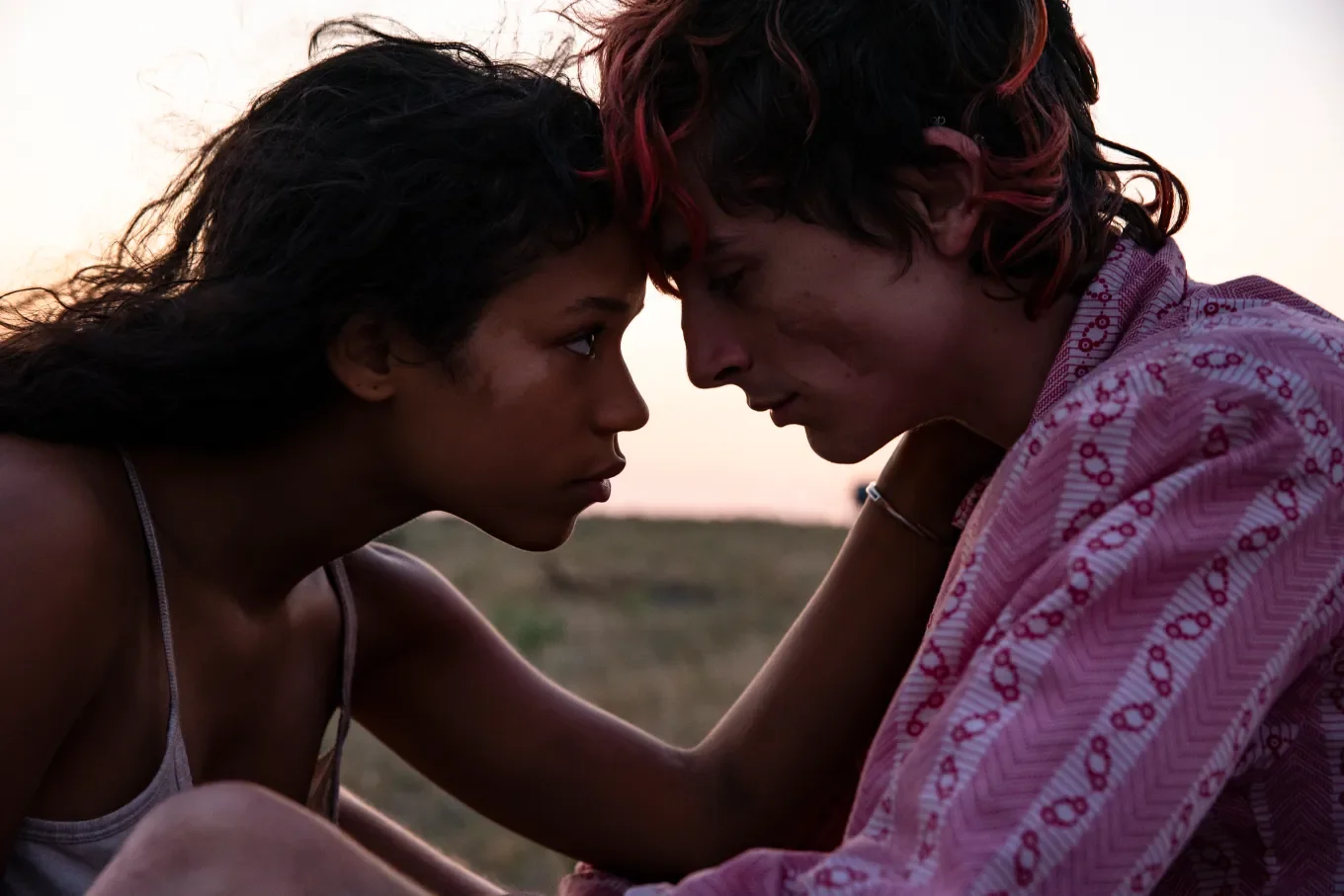
Image Courtesy: Yannis Drakoulidis / Metro Goldwyn Mayer Pictures
This exchange is the backbone of the film, and really resonated with me as a metaphor for the queer experience.
Throughout our lives, queer people can be made to feel like there’s something inherently wrong with us, that the way we were born and who we are is shameful. Maren and Lee, as Eaters, are extreme rhetorical examples of this. They are cannibals, but not by choice: it is in their nature, and is as much a part of them as anything else. They are shunned by society and isolate themselves due to nothing but their intrinsic nature. By accepting their urges as simply an aspect of who they are, they are able to settle down for a period and live the way “normal” non-Eaters do.
At the end of the film, after living and coexisting together, Lee’s tragic death at the hands of a fellow Eater results in the quote: “I want you to eat me, Maren. Bones and all.” The utter devotion and incredible trust of this line, in Lee’s desire to nourish and support Maren even in death, reminded me of the people in my life who have been there for me throughout the tumultuous life we live.
Queer people have lives and flaws and desires, and you don’t need to be pure to be loved or supported. As Eaters, Lee and Maren were still able to find each other and help each other grow. They accept each other fully. Unconditional connection and support may feel out of reach, but once you find it, it is one of the most powerful things in the world.
Strike Out,
Orlando
Written by Hadley Balser
Edited by Delaney Gunnell
Hadley Balser is a journalist for Strike Magazine Orlando. A senior at University of Central Florida pursuing a career in music journalism, they love writing about music almost as much as they like listening to it. In their free time, they love watching horror movies and attempting watercolor still-lifes. For any professional communication (or just to chat) reach out at hms.hadley@gmail.com, and follow on Instagram @hadleysonpitch!