Check It Twice
One of my many vices as a college student is spending way too much time on my phone. I’ve seen my fair share of celebrity fallouts, fandom wars, and questionable politicians. If my time online taught me anything it’s this: if an opinion exists anywhere, there is a person willing to debate it. People love to argue, that has always been a fact of life. The infinite nature of the internet magnifies this in millions of comments and posts, where uninformed arguments are reposted by the second.
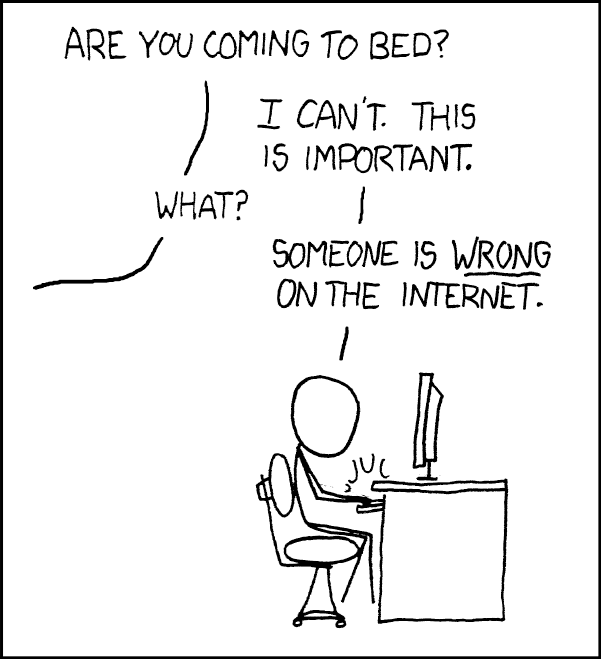
Image Credit: xkcd: Duty Calls
It could be as simple as misunderstanding a term or having a false definition. Sometime last year, in my little corner of the internet, creators were having a conversation about “media literacy”. When I opened my timeline, I could expect to find commenters claiming that the stranger they were debating had “no media literacy” in regards to a movie opinion. I noticed they used this term simply if they were in disagreement about the person's “movie take”. One Tiktok user, @luckyleftie, said it best, “Because media literacy sounds like a somewhat intellectual term, more and more people have been using it to shut down opinions on media they do not like.” Everyone seems to be an expert on media literacy, except for the fact that many of them are completely wrong in their usage of the term. Users will often put an incorrect definition at the forefront of their takes on social media. Why doesn't anyone know what it means to be media literate? Shouldn’t they have been taught such a thing in school?
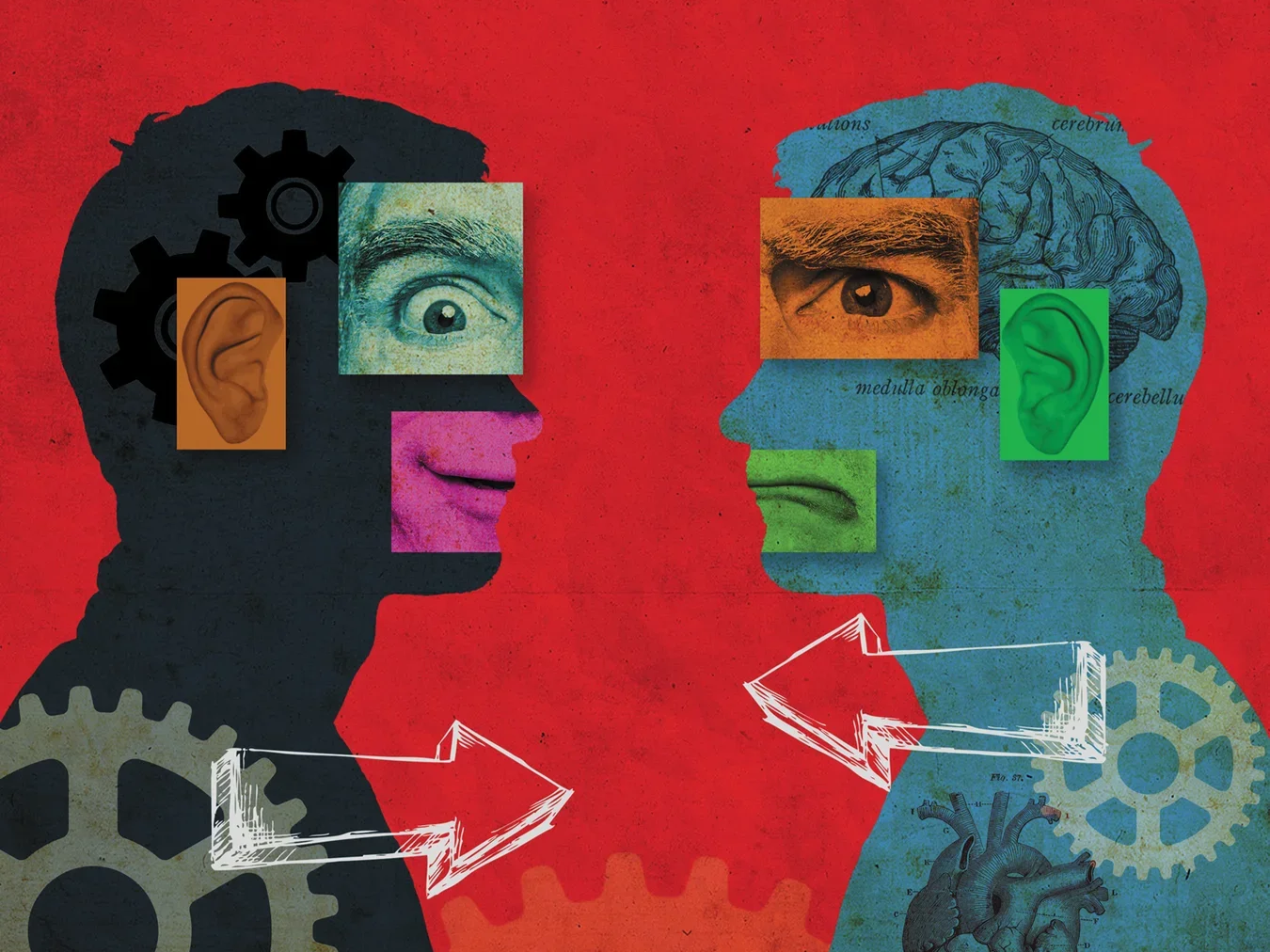
In recent years, America has been hit by a teacher shortage and improperly funded public education. The numbers suggest that where literacy is concerned, Americans aren’t winning any races. Approximately the same population of U.S. adults that use Instagram, also read below a 6th-grade level. In 2024, Washington school districts had to cut key staff positions, like on site psychologists and social workers, to manage with budget cuts. In the 2022-23 school year, Florida redirected $1.3 billion of funding from public to private education. Educational funds are being poorly directed and key pillars are missing from the classroom. The evident literacy crisis, coupled with the rise of short-form content, and shortening attention spans makes for an unsavory formula. In reality our schools are suffering, so users online are waging “intellectual” wars where everybody loses. Instead of pointing fingers at the person online, we should direct our focus to bettering the space that might have failed them. A smarter community is a better one.

The internet is a place where emotions run high and tempers run short. It’s easy to poke fun at strangers when behind a screen. However, using fancy words and toting jargon as gospel doesn’t make your opinion right. The foundation of your argument crumbles when you don’t understand the very definition it's built on. I love my screentime as much as the next person, but as netizens we are obligated to make sure our arguments are correct before calling out someone else's. If most of us are results of the same education system, It doesn’t hurt to go a step further and check twice. It starts with a simple Google search!
References:
https://www.thenationalliteracyinstitute.com/2024-2025-literacy-statistics
Strike Out,
Moriah Higgs
Miami
Moriah Higgs is a junior at Florida International University majoring in Public Relations, Advertising, and Applied Communications. Moriah is a novice writer, with goals of writing pieces that reflect her interest in pop-culture, the complexities of modern life and love for exploring the current state of Western society. Outside of writing she enjoys making comic strips, painting, cooking, and going on adventures with friends.