
Boys Don’t Cry— They Create
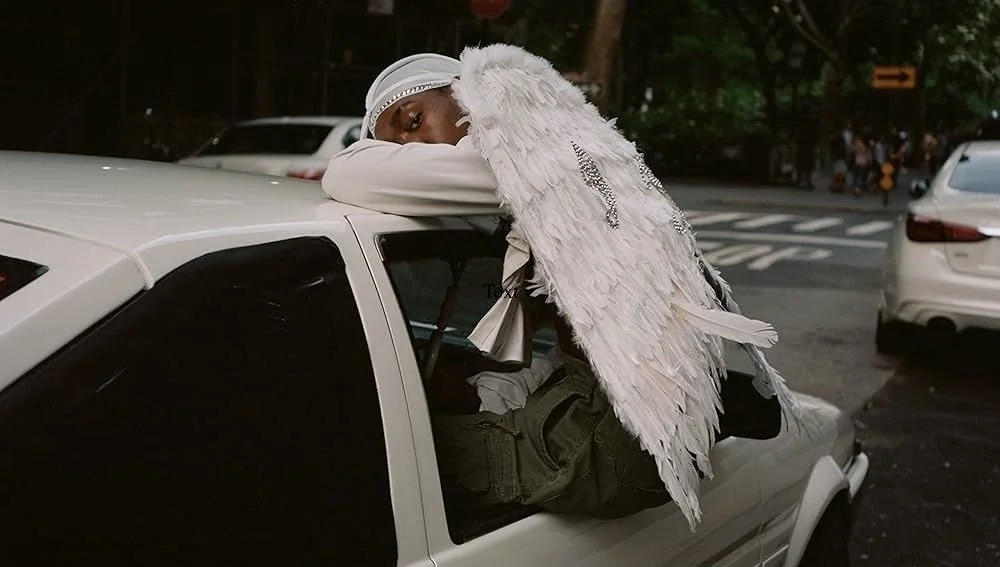
Image Courtesy: Blood Orange
Blood Orange, or Dev Hynes’ most authentic artistic identity, stands to offer something extensively different in a musical world where masculinity takes the form of ego and emotional restraint. The art he creates challenges the concept that vulnerability and stability are mutually exclusive. Hynes designs a new model of masculinity solely based on self-reflection and transparency, and the notion that it’s brave to feel strongly. His music breathes rather than screams. He makes emotion the purest form of power, as through his art, tenderness is strength.
A delicate balance resides at the core of Blood Orange’s music. Hynes blends meditative lyrics with a maudlin production. With an erotic synth and dim percussion, albums such as Freetown Sound (2016), Negro Swan (2018), and Angel’s Pulse (2019) establish sounds that are both sentimental yet innovative. His compositions are never simple, rather raw and curious, as his thoughts unfold in slow motion.
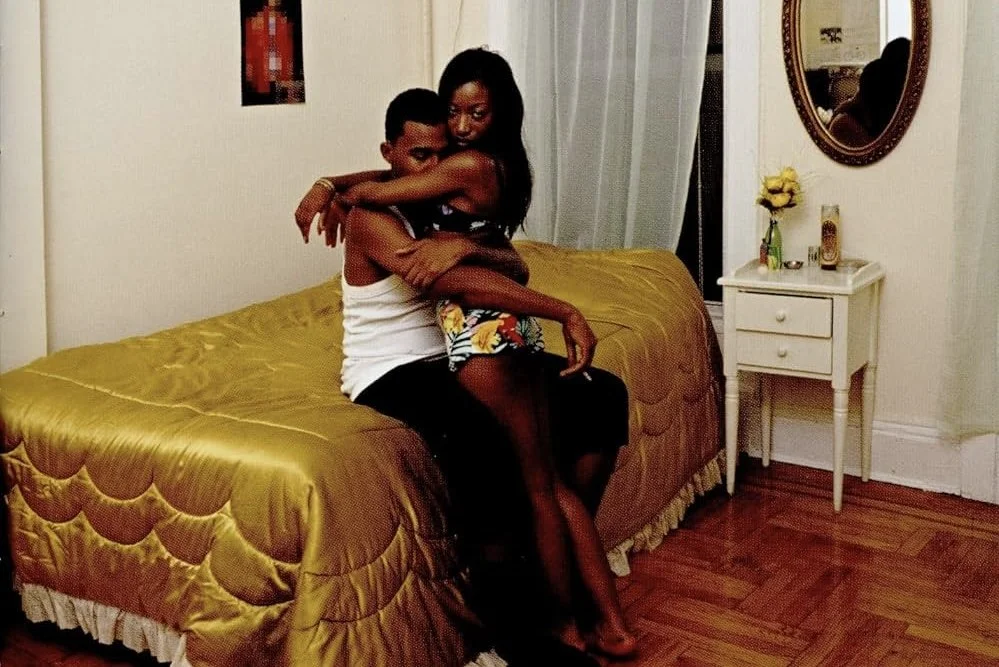
Image Courtesy: Genius
His lyrics are poetic and often disjointed. His words express that an artist should not be scared to delve into the darkest alcoves of the mind. In “Charcoal Baby,” he expresses the sentiment “No one wants to be the negro swan / No one wants to be the odd one out.” He communicates the intense desire to fit in. Hynes openly acknowledges the coupling of mortal identity and painful loneliness. Mortal identity in this context reflects the universal awareness that our flaws, insecurities, and longing for belonging are parts of being human. Loneliness isn’t just an emotion displayed in his lyricism; it’s a reminder that exposes a core truth about being human: that even though we all long for understanding and connection, we can never fully share our inner world with anyone else. His music illustrates human tiredness and the necessity of keeping serenity in life. In “Saint,” he sings, “I’m not your leader, I’m not your savior, baby / I’m just a man who’s tired.” As he rejects the expectation to save, he humanizes himself and, by extension, everyone listening. There’s no amplified ego or heroic fallacy. His refusal to perform makes his vulnerability reforming.
His bass-heavy songs like “Best to You” and “You’re Not Good Enough” have emotional depth as well. These songs experiment with unrequited love and self-doubt/insecurities, even though they are neutralized by delicate, flowy vocals. These songs remind listeners that even sorrow can dance and move; a monument to Hynes’s ability to interconnect sensitivity with rhythm. His poetry mixes suffering and beauty together, making them indistinguishable from each other.
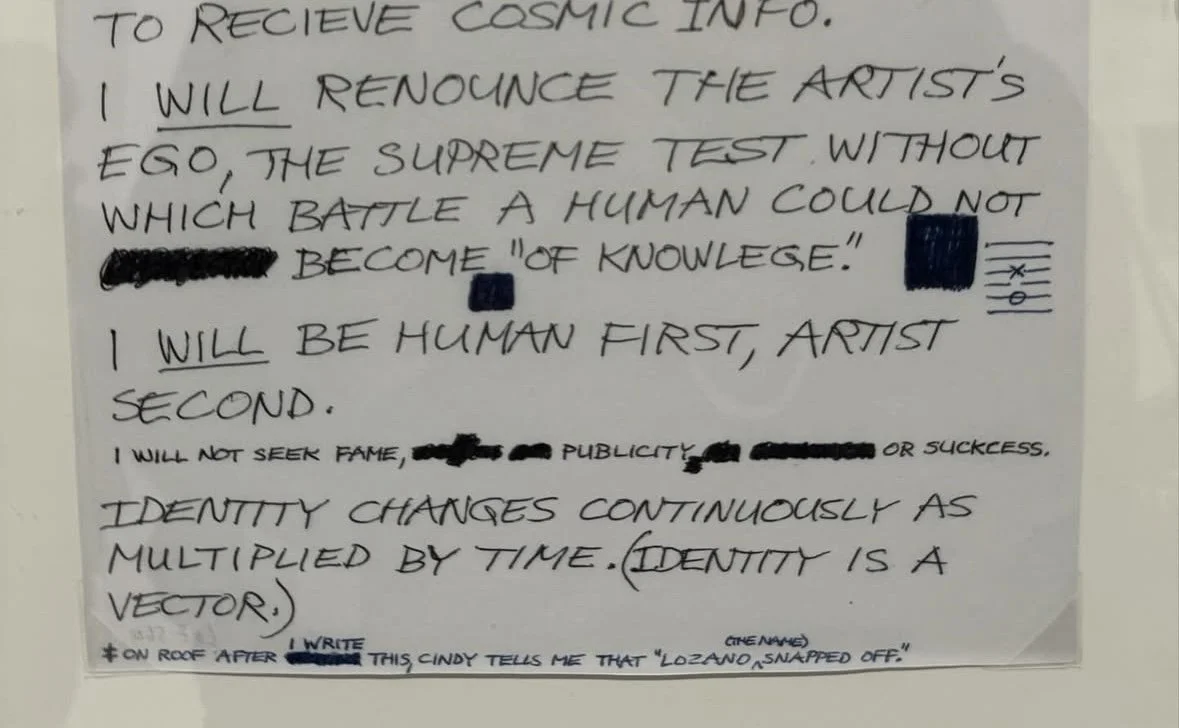
Image Courtesy: Instagram
This concept is further pursued by Blood Orange’s visual expressions, not just the sound. He uses pastels, dimmed lighting, and slower camera movements. These elements appear more personal rather than histrionic and theatrical. Dev Hynes appears barefoot and bare-chested in the "Augustine" music video. He simply exists in the frame, showing his calm demeanor and communicating self-acceptance over control. Hynes does not try to dominate his own space, which establishes his presence as confident and self-assured. His delicate visual universe transports viewers to an emotional realm similar to his music: open and curious.
His artwork turns into another language. Hynes manages to skillfully combine the traditional feminine and masculine forms with sneakers, pearls, loose fabrics, and bare skin. Similar to how his sound defies genre, his personal style defies cultural expectations. The artist’s ability to inhabit numerous personas in one, with the tenderness of his dressing choices, is reflected in the sensitivity of his music videos. The balance between his vulnerability and composure challenges the strict visual codes often thrust on Black masculinity and manhood. There’s a silent rebellion in each ensemble, as he is just a man redefining strength according to his own comfort level and standards.
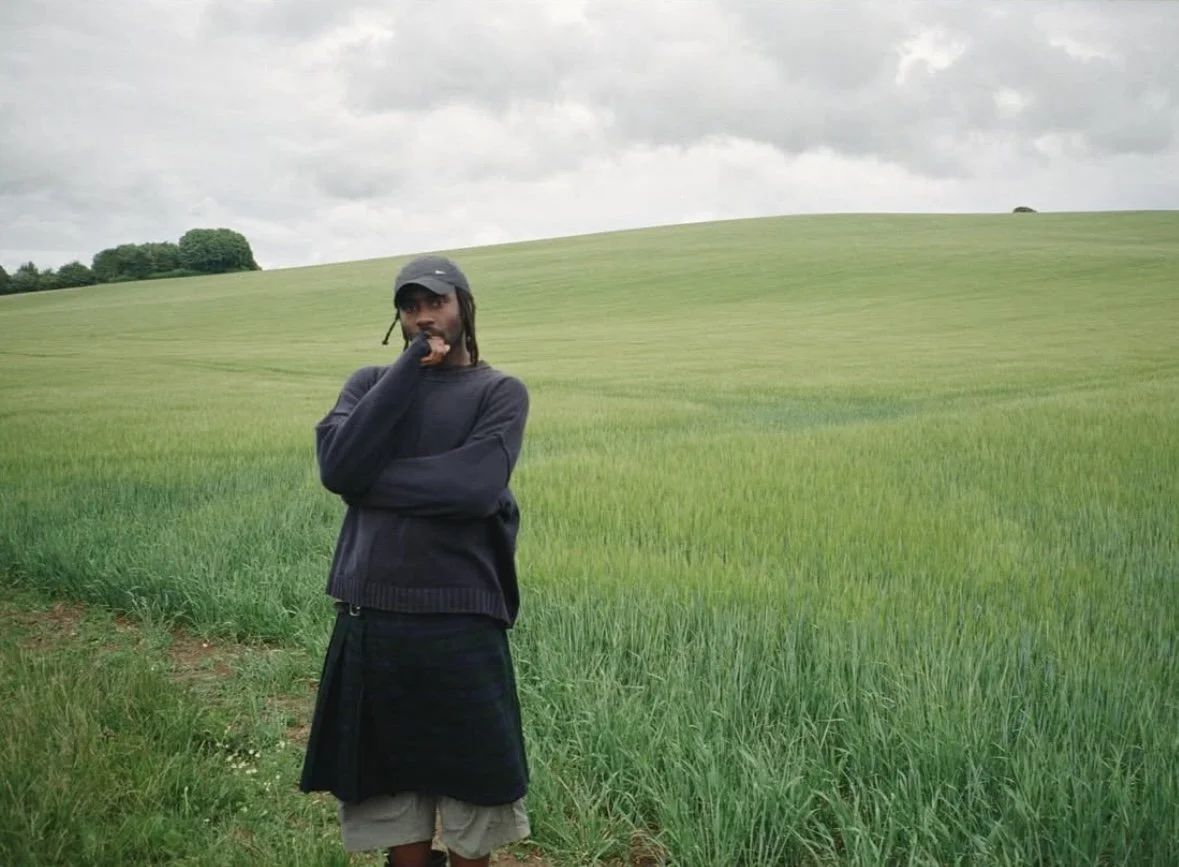
Watching him through live performances feels less like viewing a concert and more like accepting an invitation into someone’s mind and listening to their internal monologue. He always looks directly at the audience, challenging them to witness the exposure of a human in real time without turning away. He connects with fans through raw honesty. His albums are full of reflection, self-questioning, and empathy, qualities that rarely shine through and are celebrated in male artistry. Hynes offers a template for liberation and expands on masculinity.
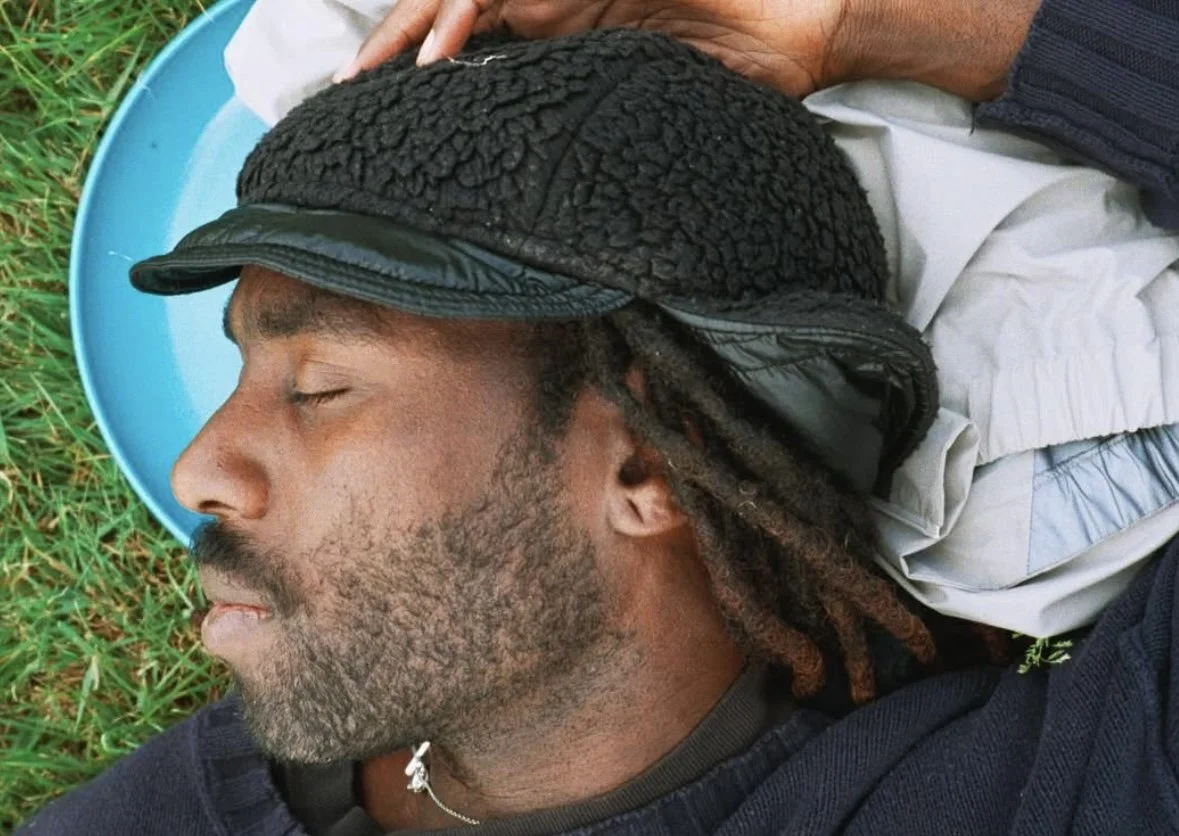
Image Courtesy: Instagram
In a musical universe that still tells boys not to cry, Blood Orange refuses to listen. His music becomes a demonstration of the beauty of emotional transparency, a reminder that when our hearts are unguarded, we can create the purest kind of art. Making music that’s not solely beautiful, but also human, redefines what it means to produce art.
Strike Out,
Writer: Kavya Akkiraju
Editor: Daniela Mendoza
Graphic Designer: Laiba Mubarak
Tallahassee