
How Social Media Compressed Decades of Aesthetics into Years
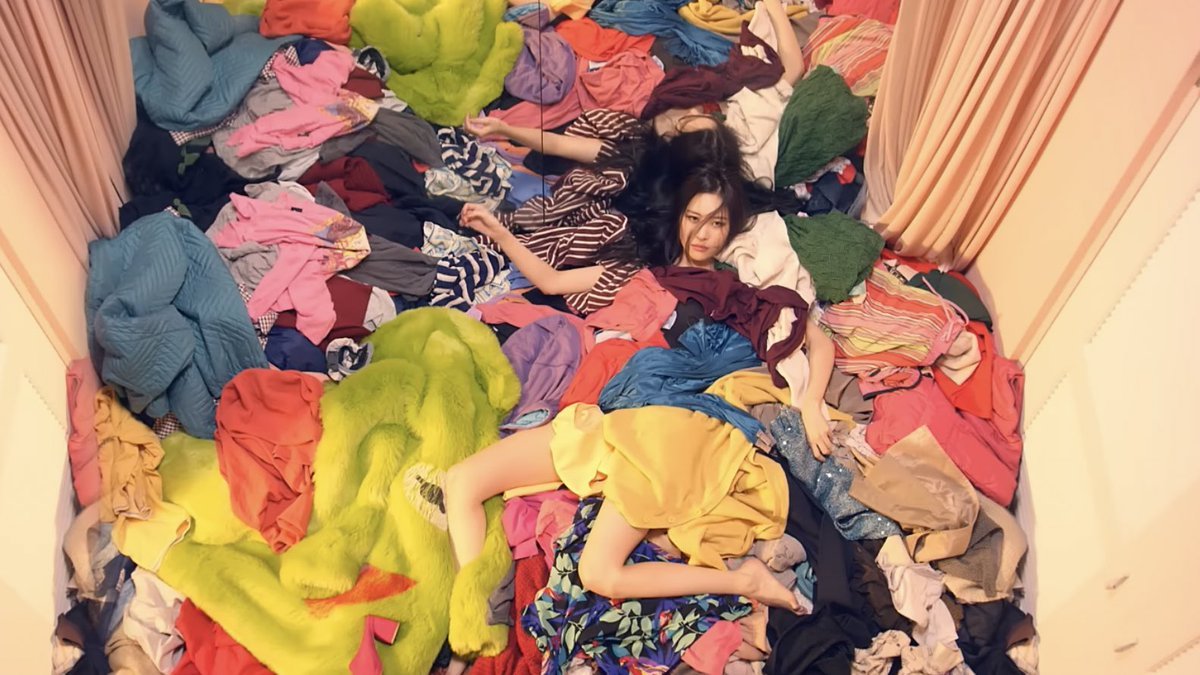
Image Courtesy: Pinterest
It’s no secret that social media has played a significant role in the rapid evolution of trends. What once took a decade of political, musical, and educational influence now occurs at the click of a button. The fashion cycle is defined by introduction, increase, peak, decrease, and obsolescence. Since the rise of accessible personal style in the 20th century, trends have been a vessel of expression for individuals seeking alignment with different cultural groups. However, this natural flow has been disrupted and accelerated by social media, collapsing once-distinct sectors into an irregular conglomerate of impulsive purchases and bandwagoning.
The ’70s were defined by bell-bottoms and pot smoke; amid the tense political unrest following the Vietnam War, anti-establishment values were hand-stitched into tie-dye tees. The ’80s were drenched in neon leotards and permed hair, favoring excess and confidence in a period of prosperity. The ’90s were steeped in distinct grunge and hip-hop flair, expressing a heated sense of rebellion towards artificiality and a desire to break traditional fashion norms. The 2000s were iconically defined by Paris and Nicky Hilton, low-rise jeans, and bleach-blonde highlights, a representation of the emerging celebrity culture spurred by rapid technological growth. As the 2010s approached, “King Kylie” nostalgia and the self-consciously curated hipster vibe made a notable appearance, but the scope began to widen, and temporary style emulation materialized.
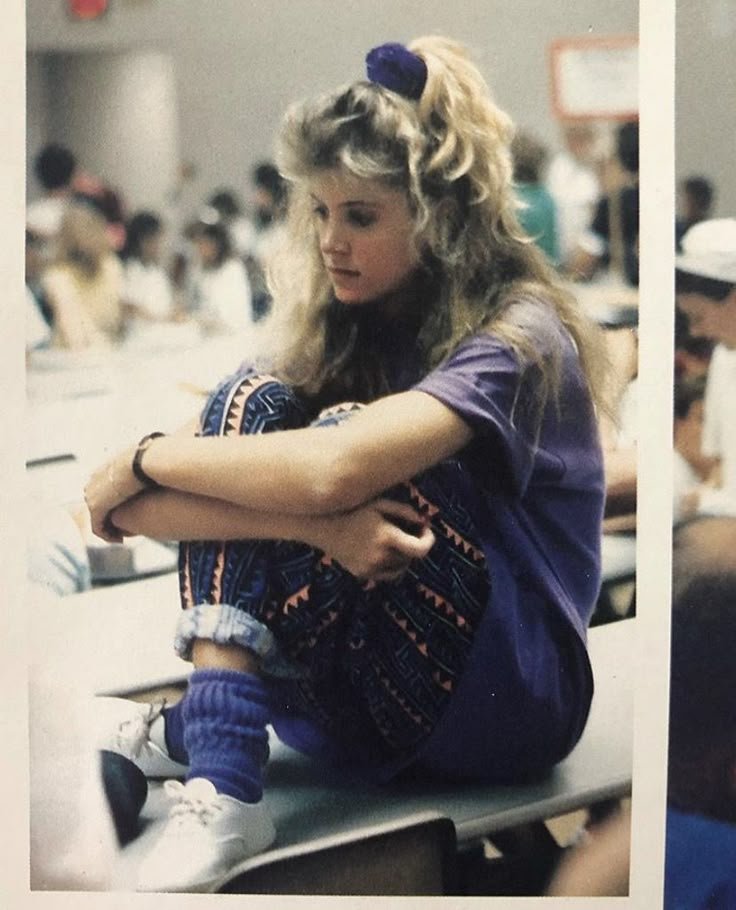
Image Courtesy: Pinterest
When 2020 hit, all anyone could talk about was COVID-19—and understandably so. The digital world hijacked Gen Z’s life amid lockdown-induced downtime, and widespread fast-fashion trends exploded via TikTok’s unique algorithm. TikTok evolved into more than a lip-syncing platform, becoming a significant trend driver. Now, it wasn’t just celebrities taking the spotlight; YouTubers, influencers, and streamers all set the precedent for fashion media.
Over the next few “screenager” years, public style was diluted under a massive influx of content on a handful of platforms. Trends emerged from Hollywood idols and high schoolers alike, each exerting outsized influence in the ripple effect that took place following a viral video. Businesses caught onto this, repositioning to profit from virality. It seemed as if a new trend was emerging every week; ‘80s fashion had a quick resurgence during COVID-19 with striped turtlenecks and brightly-colored scrunchies. Quickly following, an extremely contrasting style dominated: the “Clean Girl” era. Then, with the blink of an eye, plain-colored fitted tees, Brandy Melville sweatpants, nude claw clips, and crisp white shoes evolved into the “simple European” aesthetic. Everyone seemed to be on a boat in Capri. The SHEIN cart was full, TikTok Shop overutilized, and bank accounts emptied. Partnership money kept rolling in. But in this dystopian digital fashion world, is anything really a trend if everything is trendy?
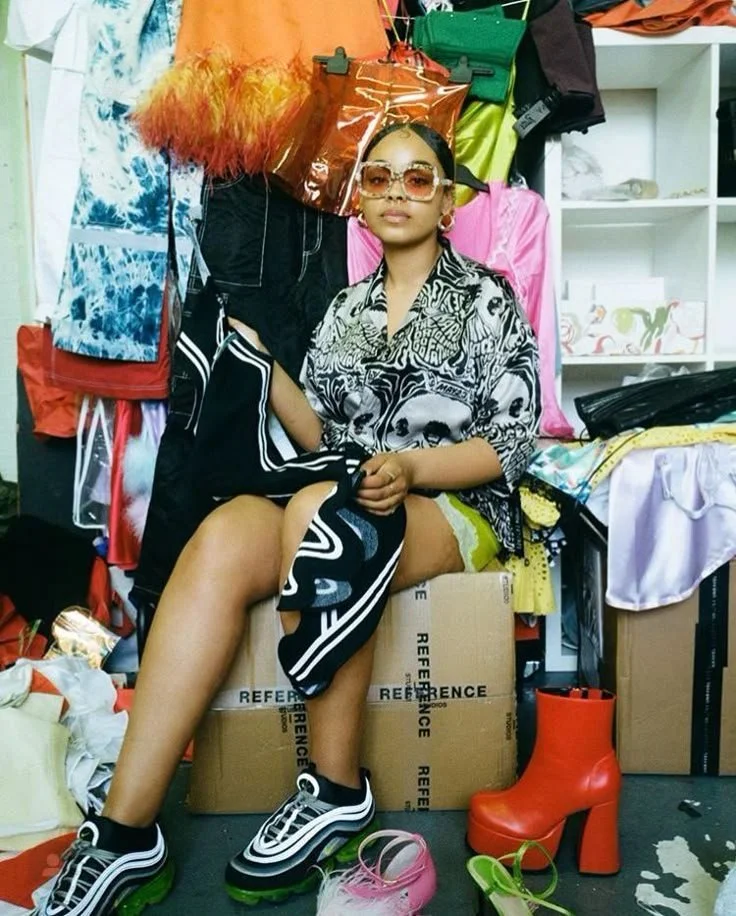
Image Courtesy: Pinterest
This speed-of-light trend cycle continues to confuse the fashion industry, blurring the lines between season and style, limiting decade definition to microtrends. Luxury fashion seems to be the only anchor, but when fashion is rapidly evolving on such a large scale, with social media reaching more people than Vogue, it’s hard to tell who’s making the statement. In 30 years, will the ‘20s have a defined fashion category, or will it be referred to as the hyper-consumerist era, with no clear distinction of style, character, and, more importantly, purpose? There must be a better alternative, because a little piece of fashion independence and individuality dies with every pair of $2 “Chanel” sunglasses sold on TikTok Shop.
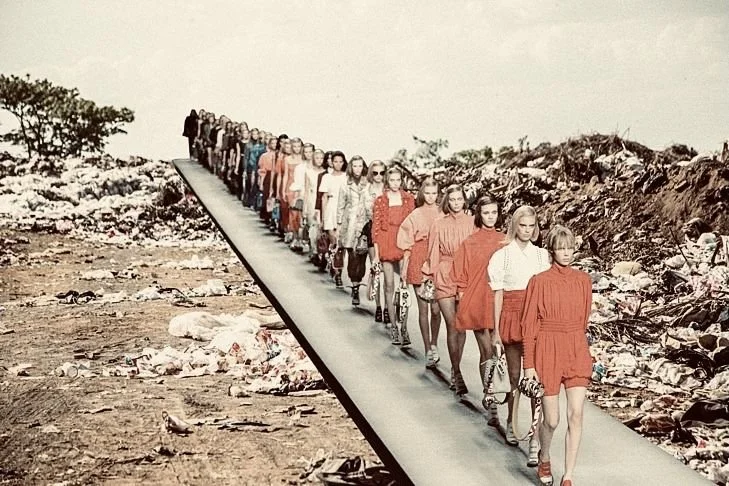
Image Courtesy: Pinterest
There is no single way to fully understand the current meaning of personal style and how this definition will impact the decades to come. One thing is for certain: the scope of fashion has become heavily shaped by social media; trends are being recycled more than microshorts. While this uncertainty makes the fashion industry feel extremely unstable, you can choose to intentionally seek out your own personal style, allowing for movement alongside trends instead of being lost amid them.
Strike Out,
Writer: Samantha Goldberg
Editor: Salette Cambra
Graphic Designer: Elizabeth D’Amico
Tallahassee