Build-A-Baby!
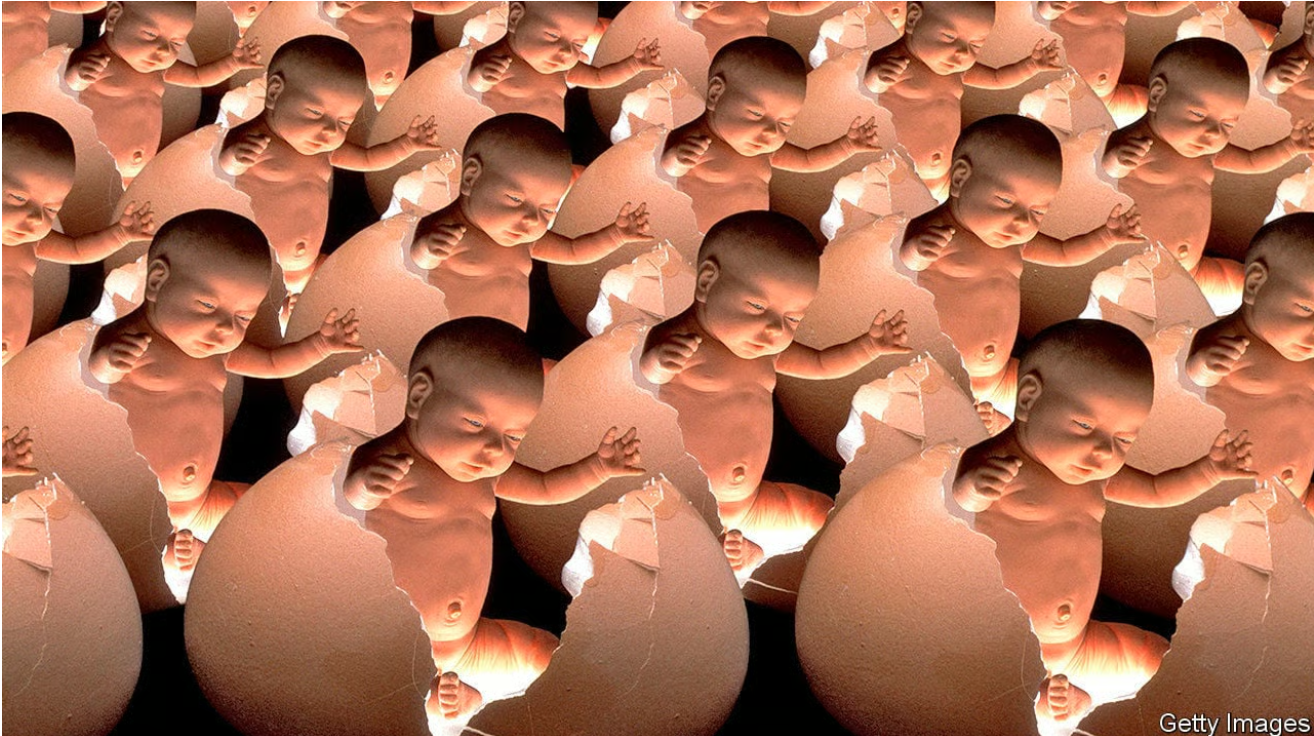
In the future, a possibility that threatens our grandchildren’s genetics. could place them as second-class citizens: genetic engineering is here. For them to get good jobs and live a comfortable life, at fertilization, their parents would undergo a process of genetic selection, in which the baby’s health, appearance, and intelligence are altered to near perfection. The 1997 film, Gattaca, starring Ethan Hawke and Uma Thurman, shows what a genetically engineered society could look like if we give in to it. A society where those with natural genes are considered “invalid” and given few resources to succeed, while those who have been genetically modified reap all the success and luxuries of life.
Genetic editing isn’t necessarily a bad thing. It has its pros and cons, like battling genetic disorders like sickle cell disease. In a hospital in Philadelphia, a baby was born with carbamoyl phosphate synthetase 1 (CPS1), a horrible disease that causes hyperammonemia to develop when they eat protein, which puts the baby at risk of brain damage. This would cause symptoms, such as seizures, vomiting, and respiratory issues. Doctors and scientists treated the baby with genetic editing, using the CRISPR method, which edits genes by cutting DNA– the treatment was successful. The termination of genetic diseases can allow children to grow with more equal opportunities and relieve children from a lifetime of pain and suffering.
The idea of genetically editing babies excites those in Silicon Valley. Right now, tech billionaires and others are terrified of the declining birth rates, and genetic editing gives them hope to increase birth rates while giving them the chance to create ‘super babies’. Elon Musk has donated to the University of Texas’ Population Research Institute, in hopes of producing offspring with genes for ‘superior intelligence’. We can already select the gender of babies via IVF. With the development of genetic editing, it's more of a promise than a question of whether intelligence and appearance could soon be edited as well, raising many ethical questions.
Even if we can, does that mean we should?
With genetic engineering, this could soon lead to a cutback on resources for the disabled. It could also send negative messages about disabilities, like ‘you can’t live a fulfilling life with a disability.
Superior intelligence, tall, thin, muscular, straight nose, dimples, athletism– you name it. If everyone received the same genetic edits, there would be a severe lack of individuality that would turn the world dull and lifeless, bringing new life to eugenics. The uniqueness of people's ideas, intelligence, looks, culture, and lifestyle is what makes the world so beautiful and full of life. Placing all that power in the hands of humans goes against the sanctity of nature and could ultimately lead to our demise.
I’m curious, though, if you could alter a few things about your genetics, what would you change?
I would make myself a mathematical genius and boost my height to 5’10– but maybe I’m just right.
Strike Out,
Johann Jonassaint
Boca Raton
Johann Jonassaint is a content writer for Strike Magazine Boca. A true Venusian who can never get enough of being wrapped in cozy sheets, listening to video essays or daydreaming. When she finally leaves her sheets, you can catch her writing at the library, the only place she can actually get work done. Feel free to contact her at jjonassaint2023@gmail.com or @jojoeva_ on Instagram.
Cover Image Courtesy: The Economist / Getty Images