
A Retrospective of the American Girl
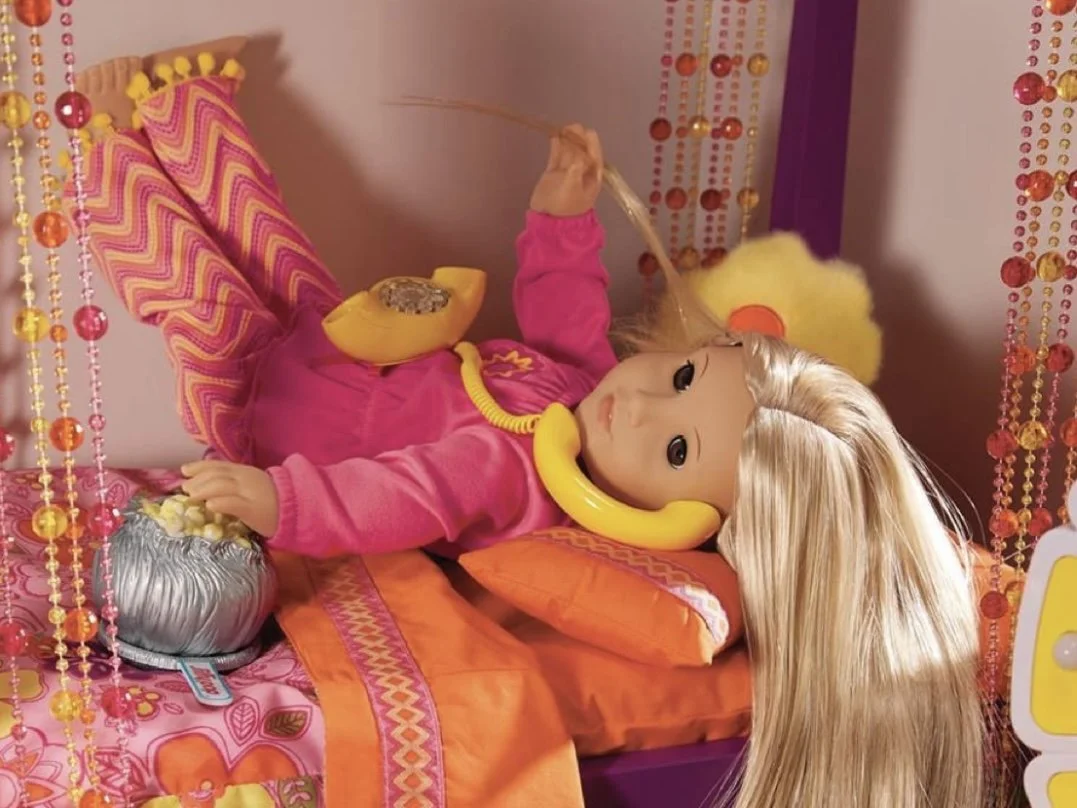
Image Courtesy: Pinterest
Diverse representation in media is a hot topic in the ongoing cultural conversation around inclusivity. From re-imagined movie character castings to wider skin tone ranges in crayon boxes, inclusive marketing toward children, especially, has taken strides toward a richer range of recognition in pop culture. This push for inclusion is even noticeable in what’s being marketed to young girls within toy aisles. Such an example can be found in the trajectory of the American Girl doll. Widely coAfter the Mattel acquisition, American Girl began releasing more contemporary stories through the annual Girl of the Year lines. These characters brought a bit more modernity to the stories being focused on, by yearly release of a character from the present day. These characters, while still from varying cultural backgrounds, focused more on the pursuit of different hobbies and passions for young girls. This expanded the way the brand and its stories explored different cultural backgrounds, moving from the former focus on antiquity to attempting contemporary relatability. This coincided with the creation of American Girl movies, which told Girl of the Year stories and broadened their reach through utilizing modern forms of media. Vetted in the 2000s and 2010s, this brand aimed to share different stories in a way young audiences could engage with through the doll’s design. Yet since its creation in the late 80s, this has shifted just as the times have.
At conception, the American Girl brand began with the educational purpose of sharing American history with young girls through play. As an attempt to move away from less “mature” designs of children’s dolls, founder Pleasant Rowland created characters from different historical periods with a series of short novels to accompany them. These historical fiction novels covered the lives of young girls through difficult periods in American history, like the Civil War, the Great Depression, or World War II. The manner of this attempt to involve girls through storytelling did take a shift after the brand was bought by toy company Mattel in 1998.
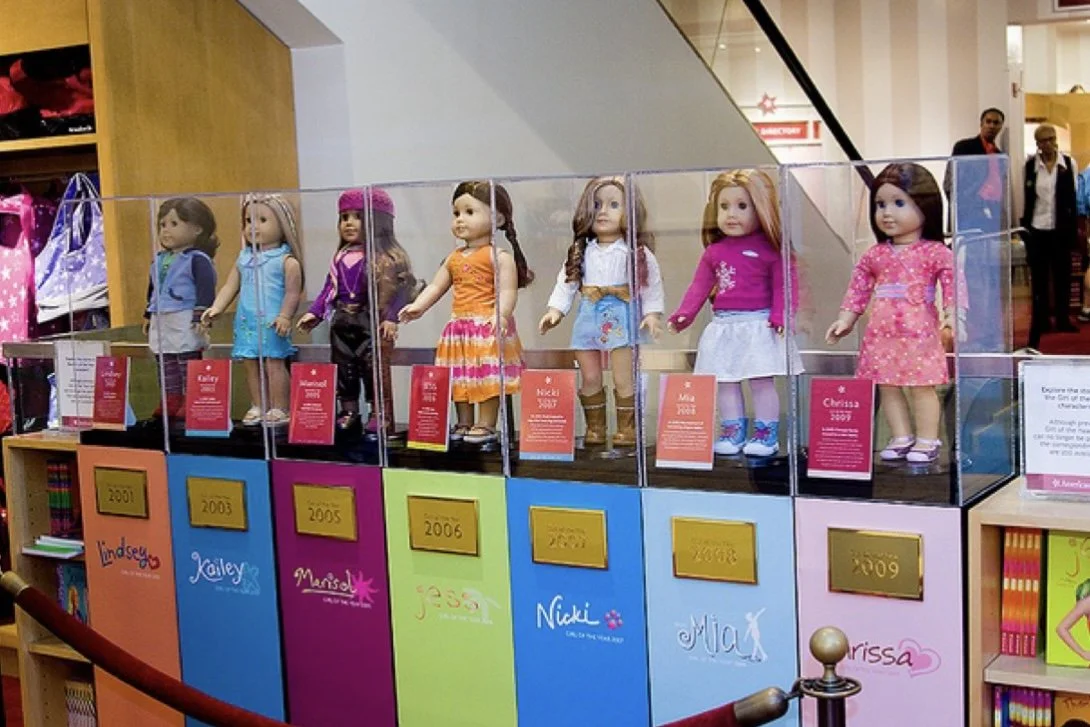
Image Courtesy: flickr
After the Mattel acquisition, American Girl began releasing more contemporary stories through the annual Girl of the Year lines. These characters brought a bit more modernity to the stories being focused on, by yearly release of a character from the present day. These characters, while still from varying cultural backgrounds, focused more on the pursuit of different hobbies and passions for young girls. This expanded the way the brand and its stories explored different cultural backgrounds, moving from the former focus on antiquity to attempting contemporary relatability. This coincided with the creation of American Girl movies, which told Girl of the Year stories and broadened their reach through utilizing modern forms of media.
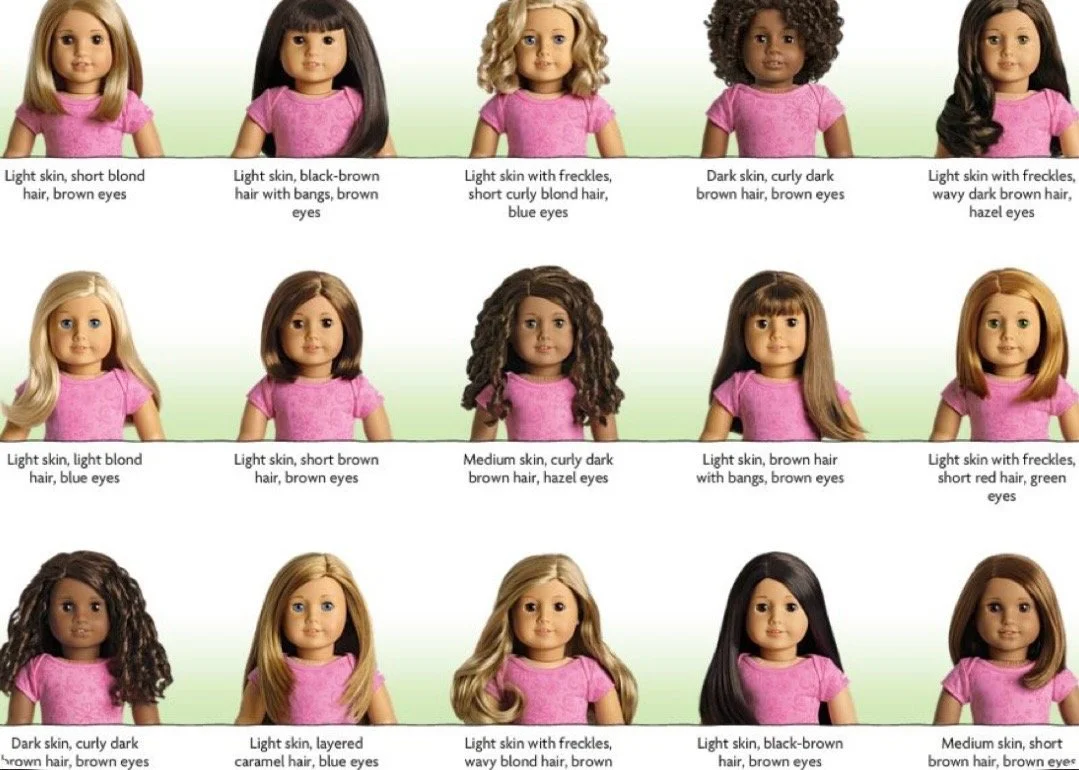
Image Courtesy: Pinterest
One of the most notable shifts in the American Girl brand’s trajectory was the implementation of the Truly Me dolls, which contained preset designs of varying hair, skin, and eye color combinations to select from. This focus on customizability allowed for a degree of representation that hadn’t formerly been done at such a large scale. Even matching clothes and accessories were sold, allowing for expression through inclusive play. This was taken a step further in 2017 upon the release of Create Your Own dolls, which allowed for individual selection of feature appearances. These options opened up the possibility for even more audiences to be seen and represented in their products. By allowing young girls to literally find themselves in these dolls, consumers were invited into the storytelling that the brand had established up to this point.
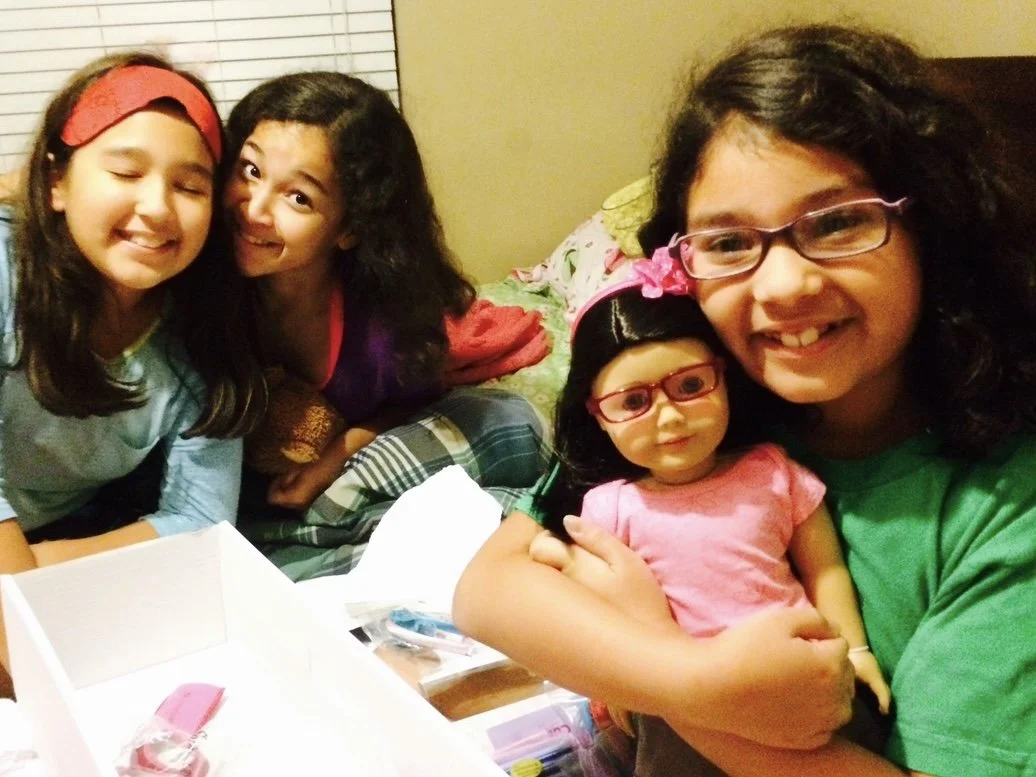
Image Courtesy: Priscilla Rodriguez
Through the duration of the American Girl doll, the goal of storytelling for young girls has been realized and expanded upon along the way. Many girls, like myself, will now grow up with the fond memory of what it was to find yourself in something you love. This experience continues to shape design for the types of toys that will inspire children of all kinds.
Strike Out,
Writer: Priscilla Rodriguez
Editor: Isabelle Kim
Graphic Designer:
Tallahassee