
More than Music: the Bad Bunny Revolution
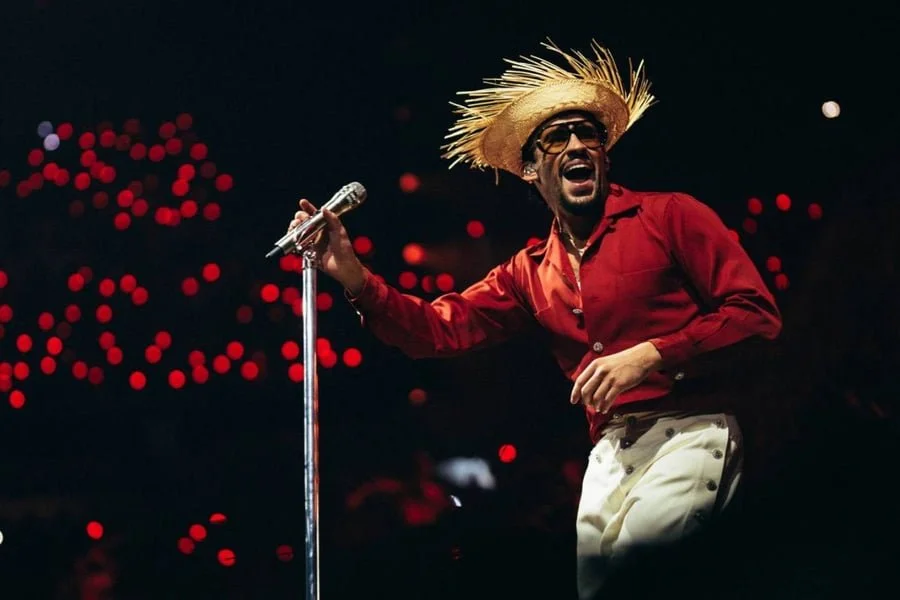
Image Courtesy: Rolling Stone
In 2016, before stadium tours and before he became one of the most-streamed artists in the world, Bad Bunny was simply Benito Antonio Martínez Ocasio, an aspiring Puerto Rican artist posting trap songs on Soundcloud. Now, nearly a decade later, his name and voice are everywhere. Yet what’s most striking about his rise to success isn’t just the fame around his brand, but the cultural movement he has incited in his fans throughout his career. Beyond his role as a musical figurehead, he has become a symbol of identity, pride, and Latin representation in a world that hasn’t always welcomed it.
Early in his career, Bad Bunny’s music primarily targeted Spanish-speaking audiences, tapping into the Latin trap and reggaeton scenes with a blend of classic Caribbean sounds. But with each new album, his personal and distinct sound began to resonate beyond just the Hispanic community and into all cultures around the world. Today, his Debi Tirar Más Fotos World Tour travels across Latin America, Europe, Japan, and even Australia, demonstrating to the world that his lyrics don’t require translation to invoke emotion and incite a movement.
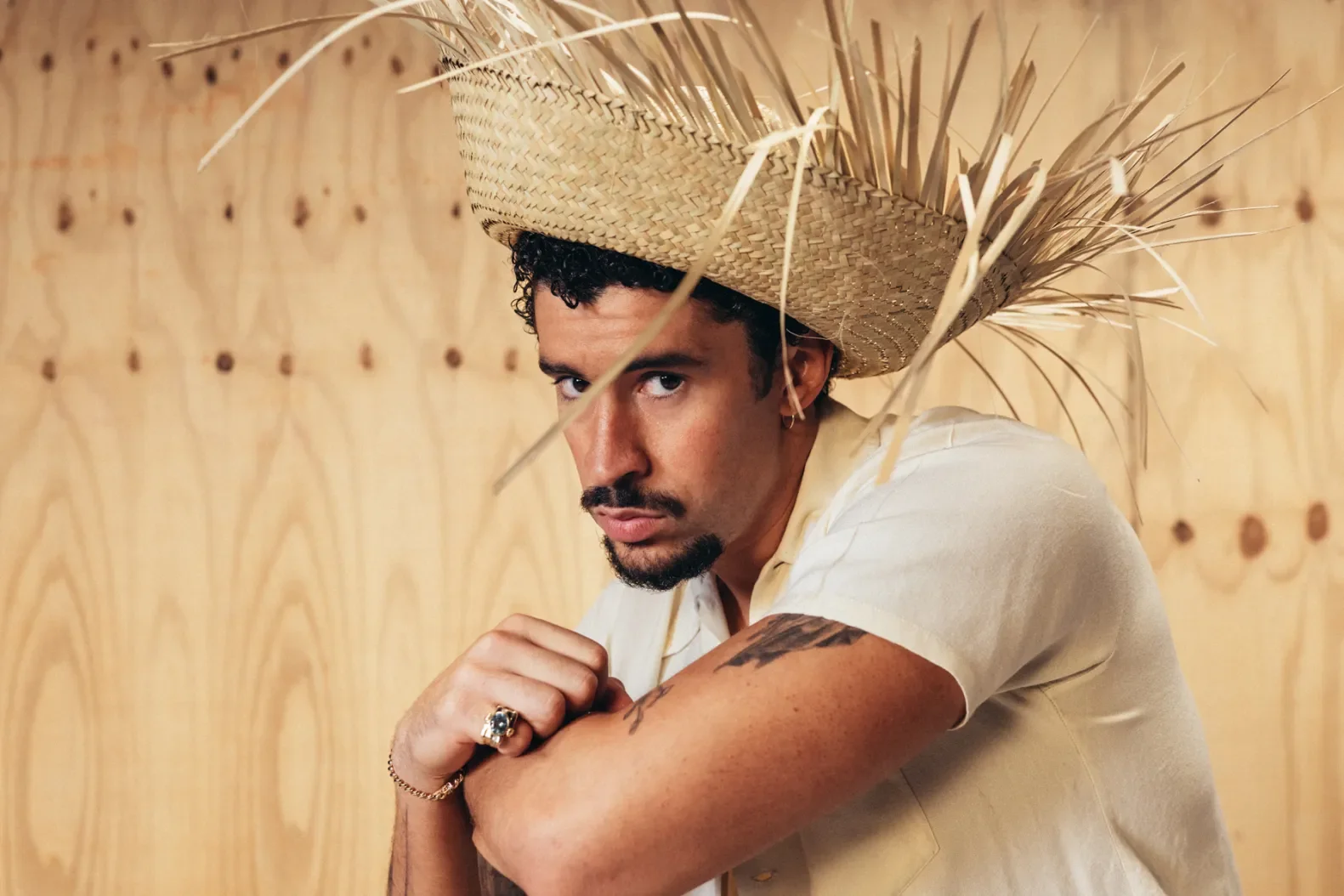
Image Courtesy: Rolling Stone
His various achievements speak to his success and musical revolution. From topping global charts to being honored as the Top Latin Artist of the 21st Century at the 2025 Billboard Latin Music Awards, he continues to break records without overshadowing his language and expressing pride in his cultural identity. Especially by performing entirely in Spanish on the stage, he refuses to change himself for wider acceptance and instead welcomes others to appreciate his culture with him. With his sound spanning from trap to reggaeton, salsa to dembow, and even pop to Latin rock, Bad Bunny’s music entertains just about anyone, whether they understand every word or simply feel the rhythm and beat of something very special.
But for me, what has truly marked the essence of the Bad Bunny revolution isn’t his versatility as an artist, but the heart and compassion deeply steeped within his music. Benito’s most recent album, Debí Tirar Más Fotos (“I Should’ve Taken More Photos”), feels like an emotional and vulnerable love letter to the island of Puerto Rico, but also to the overall Latin experience. By touching on themes of nostalgia, loss, cultural identity, and even hinting at political commentary, the album captures the bittersweetness of remembering where we come from, longing for our cultural roots, and echoing feelings of regret and memory that many fans can easily relate to.
Listening to this album, you are immediately transported to the island felt in the pulse of each beat, almost as if Bad Bunny is trying to preserve these memories of home before it all slips away. For many fans, especially within the Hispanic community, it doesn’t simply feel like new music, but it feels like what once was, and what has yet to be.
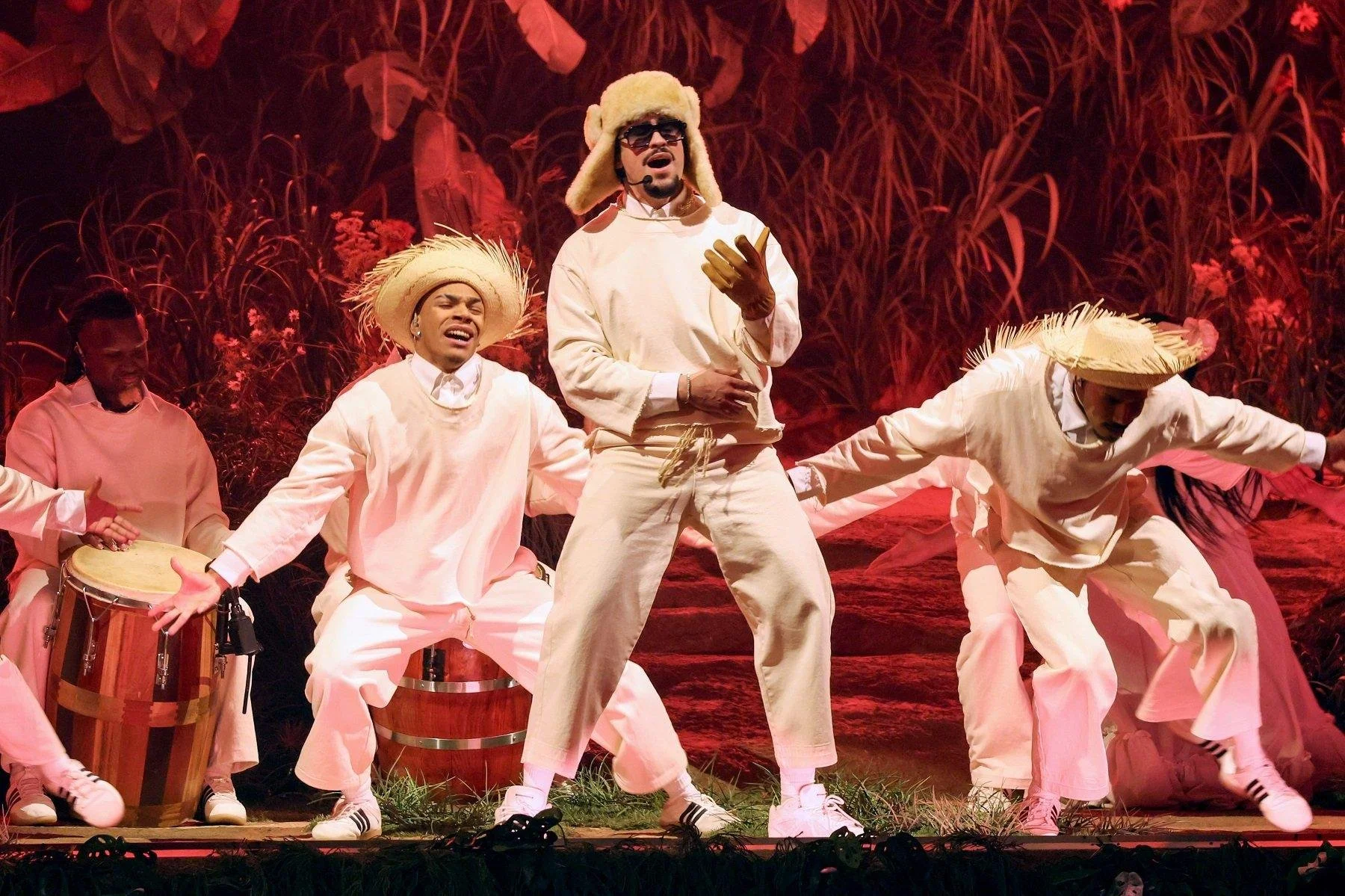
Image Courtesy: Grammy Awards
Benito’s influence carries on even beyond the studio and continues to shape cultural moments. His No Me Quiero Ir de Aquí residency in Puerto Rico sold out 31 shows and brought more than 600,000 fans to the island, generating over $200 million, and transforming the summer into a party that celebrated the pride that comes from being Latino. Soon, he will headline the 2026 Super Bowl Halftime Show, which is a major milestone for the Latino community and has sparked nationwide conversations about cultural representation, language, and identity in mainstream American media. While some critics and even political figures have expressed concerns, Bad Bunny has carried on with confidence and certainty in his message, dedicating his platform to Latinos worldwide and encouraging pride in their presence in this country.
Through his activism and his powerful voice, Bad Bunny has reshaped the music world. Before him, Spanish-only albums rarely topped U.S. charts, and now, he not only dominates them, but he is set to headline one of the largest American music events in history. This moment in music history has become more than just stardom, but about seeing the rise of cultural pride and identity through the success of a Puerto Rican artist. He challenges hegemony and instead affirms that these voices and stories belong at the center of the stage.
For many fans, including myself, Bad Bunny is more than just a celebrity but is an artist who reminds the world to hold onto the memories that shape us, the communities that we can come from, and the voices that refuse to fade.
Strike Out,
Writer: Melany Rodriguez
Editor: Isabelle Kim
Graphic Designer:
Tallahassee