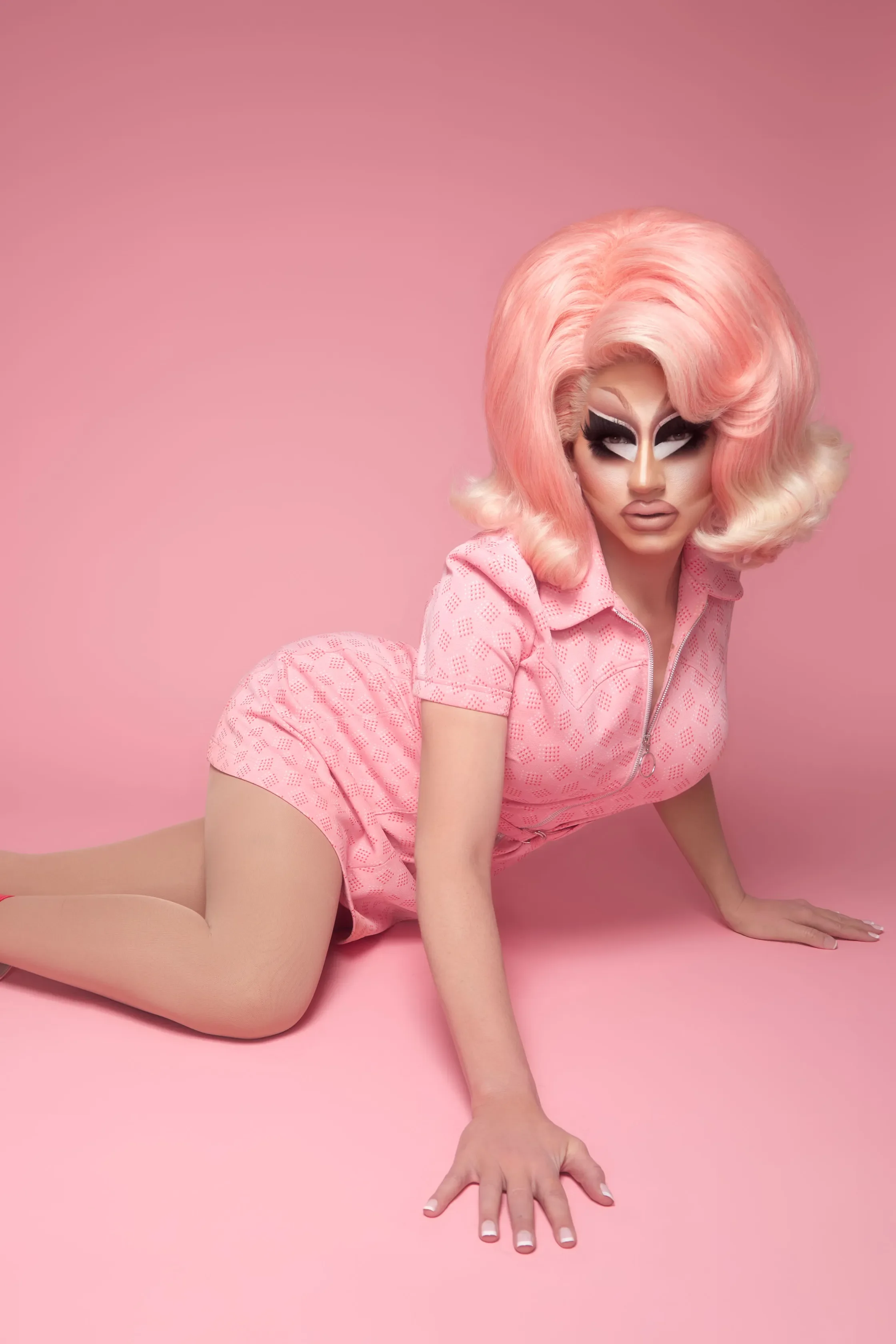
Image Courtesy: Jon Sams
My name is Madeline and I will die on the hill that everything is inspired by drag and queerness.
It’s no secret that no one-thing is an original idea. Sometimes we borrow from others; sometimes we forget to give credit.
What many do not realize however, is that we live in a world where at the very core of fashion, music, theatre (basically all things remarkable) lies drag and queer culture.
Queer expression is one of the loudest and most boundless ways to tap into your true self. It is an art form, a culture and a way of living. One that I fear society has been taking inspiration from for centuries– whether they know it or not.
Category is: the original eccentrics, baby.
To be frank, a simple blog post is not nearly long enough to share just how impactful queer and drag culture has been– but a word limit won't stop me from trying.
Simply put by the Human Rights Campaign organization, “Drag is a performance art that uses costumes, makeup, and other tools to present exaggerated forms of gender expression to critique gender inequalities and imagine a transformational future where people are truly free in how they express themselves.”
But drag is so much more than that.
Drag culture is the pinnacle of eccentricity and one of the main ways some have learned to express themselves sexually and creatively.
Famous artists known for their out-of-the-box fashion like Lady Gaga, their “alter egos” like David Bowie’s Ziggy Stardust or Beyonce’s Sasha Fierce. Not to mention cult-classic and widely adored theatre like Hairspray or Rocky Horror Picture Show.
It’s all drag mama.
As of late, we have seen more artists give credit where credit is due. Queer musician Chappell Roan advocates for the LGBTQ+ community while transparently sharing that her performance aesthetic is heavily inspired by drag. Not only that, but even some of the things she’s most known for saying.
Chappell’s viral line, “I’m your favorite artist’s, favorite artist” is a reimagined quote from drag queen Sasha Colby. It was inspired by Colby’s entrance line on RuPaul’s Drag Race season 15, where she said “I’m your favorite drag queen’s, favorite drag queen.”
However artists like Chappell are not the only ones using drag in everyday dialogue–a lot of pop-culture slang is directly derived from queer communities.
Take the following: a few slang terms you might hear in a room full of chronically online gen-zers, except it gets progressively more queer.
“I was gagged” = to be shocked, positively or negatively depending on context
“Slay!” = to say something is amazing
“You’re eating” = similar to “slay”
“Clock it” = to call out
“That’s a read” = calling out specific flaws
“Let’s kiki” = a hangout or social gathering
“Boots” = usually added to the end of a sentence as a positive intensifier
Sound familiar? But who exactly is responsible for these iconic quips?
Everyone say “thank you” to the queers and the queens!
Terms and phrases such as those are often credited to the 1970s Harlem ballroom subculture created by Black, Latinx, queer and transgender individuals .
And no, I am not talking about the ballroom dancing your elderly neighbors started taking classes for in an attempt to mend their marriage.
For clarification, the Vancouver Ballroom Arts Society writes that “Balls are elaborate underground events where members "walk" (compete) in various themed categories to win trophies, prizes, and community prestige. Judges evaluate participants on their performance, presentation, and “realness”.”
Basically it’s the birth place of sissy that walk (another queer term for your word bank).
This is culture that the 1990s documentary Paris is Burning magnificently displays. The documentary showcases the New York drag and ballroom scene as well as the dynamics behind what a drag mother and drag house is. A film so revolutionary that it then went on to inspire Madonna's beloved hit, Vogue.
Ballroom culture and drag seriously has a huge influence on modern music and fashion; inspiring figures from Beyoncé to Cyndi Lauper.
But looking to the 90s or even the 70s doesn't even begin to scratch the surface. Drag dates all the way back to the Shakespearean theatre days of the 16th and 17th century where men and women would portray characters of the opposite sex.
Today, we can look at cult classics like Hairspray, where the mother character of Edna Turnblad traditionally is pretty much always played by a male performer in drag. In the 1988 non-musical version she was played by drag performer Divine and in the 2007 movie musical was iconically played by John Travolta.
Life is so much more beautiful when we embrace what has always been there and when we acknowledge where credit deserves to be given, even if it’s long overdue. That's why it’s all the more important to pay attention to the ones who did it first and hold ourselves accountable before we try to take credit from the queens before us.
So the next time you see your favorite artist in concert, watch a music video or admire a celebrity's eccentric styling, take a minute to appreciate where it might have all come from. And in the meantime, support your local drag queen and embrace queer culture–I promise you it's closer than you think.
Strike out,
Madeline Dertouzos
Boca Raton
Madeline Dertouzos is a content writer for Strike Magazine Boca. She’s an extroverted introvert who will probably ask to see your birth chart within a few minutes of meeting you. If she's not buying another book she doesn't need or drinking her third coffee of the day, she is definitely with her cat Olive (just ask, she will show you pictures). You can reach her at dertouzosmadeline@gmail.com or on Instagram @madelinedertouzos.