Since 2020, a pandemic has ravaged the health of the American youth impacting not only local communities, but the state at large. Its symptoms are as listed: confusion, fatigue, brain fog, general anhedonia. This pandemic is, of course, known as irony.
The infection has spread to practically every facet of life: music, movies, pets, clothes, names, personality; I think my liver is beginning to smile slyly at me. I can feel a coy, knowing look passing me on the streets - does everyone know something I don’t? Are we all playing one giant prank on each other? Will I soon find myself number one on a list of a streamer’s best clipped moments?
This pandemic takes many names: irony, satire, sarcasm. All used interchangeably, all for the purpose of a quick chuckle with a “it’s just a joke” reply waiting on standby. Where does this culture of irony, surveillance, and apathy stem from? How does it affect how we interact with not only each other, but also with art?

Image Credit: Medium
It is a uniquely American tradition to fall apart in the face of adversity. To stuff another with foam and make them your punching bag in times of hardship. This is how many coped with the world-altering Covid pandemic in 2020, and thus, this is what the youth mirrored.
Combine that with growing political division, an ever-changing online space that promotes engagement above morality, and overall disillusionment in who’s looking out for you, to create the perfect ironic concoction. The world’s greatest satirical soufflé.
Everything’s part of a bit, and authenticity reeks of embarrassment. When jokes run the world, the reality of meaning loses its impact. How we connect with each other, performativism at the forefront of meetings so as to not look so inclined to care. We’re ghost-prone, apathetic aphids, uncaring about and not owing anything to those around us. Nothing really hurts if it never mattered in the first place.
This trickles down to how we interact with art.
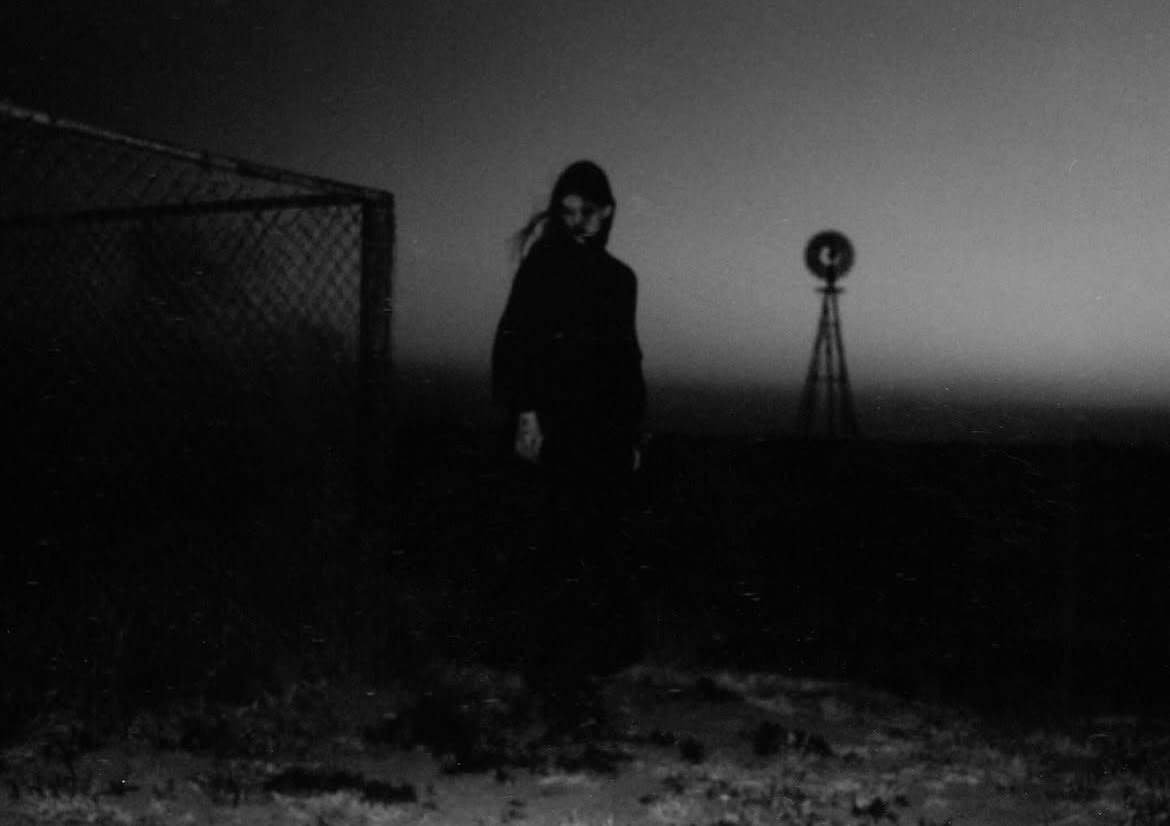
Image Credit: VocalMedia
Ethel Cain is one artist who has vocalized her frustrations with how fans have interacted with her music. Her songs touch on mature themes such as violence, desolation, sexual assault, death; yet on multiple occasions, her tracks have been used as background music to memes. Labeling it an “irony epidemic”, Cain wrote out her vexations on her Tumblr page.
Growing tired of these quips, Cain released her least accessible album to date with Perverts, a 90-minute nightmare-fueled, drone experience meant to not only challenge herself artistically, but also to challenge her audience against their expectations of Cain, and alternative music overall.
What was the result of this? Of an album that holds some of Cain’s most raw and lyrically striking images paired with sonically creative, industrial-esque instrumentals? Well, another meme of course.
What is the remedy to all this?
Ironically, I think it can be found through social media and other forms of content. Someone talking about an experience they had, or a movie they found visions of themself in. In an ever- increasingly online and sterile environment, random moments of introspection, sincerity, and connection are where the answers lie.
Empathy is out there waiting, we all want to feel known and to know others. Amongst the TikTok dating shows, prank compilations, and 6-7 memes, there are people posting and waiting for a reply. They are sitting in the dark with their phones lighting their face, hoping for someone to say “that happened to me too”, waiting for the salvation of connection to swipe on by.

Image Credit: Tenor
Strike Out,
Ariel Rivera
Miami
Ariel Rivera is a senior at Florida International University, majoring in Media Communications with a minor in English Studies. Rivera is passionate about expanding on current, hot-button cultural moments that may seem frivolous at first glance, but which, through his unique point of view, become pillars of discussion. A self-described crazy film nerd, Rivera enjoys watching and reviewing movies in his free time, as well as reading and lounging with his dog, Neo.