
Jogging Down the Runway
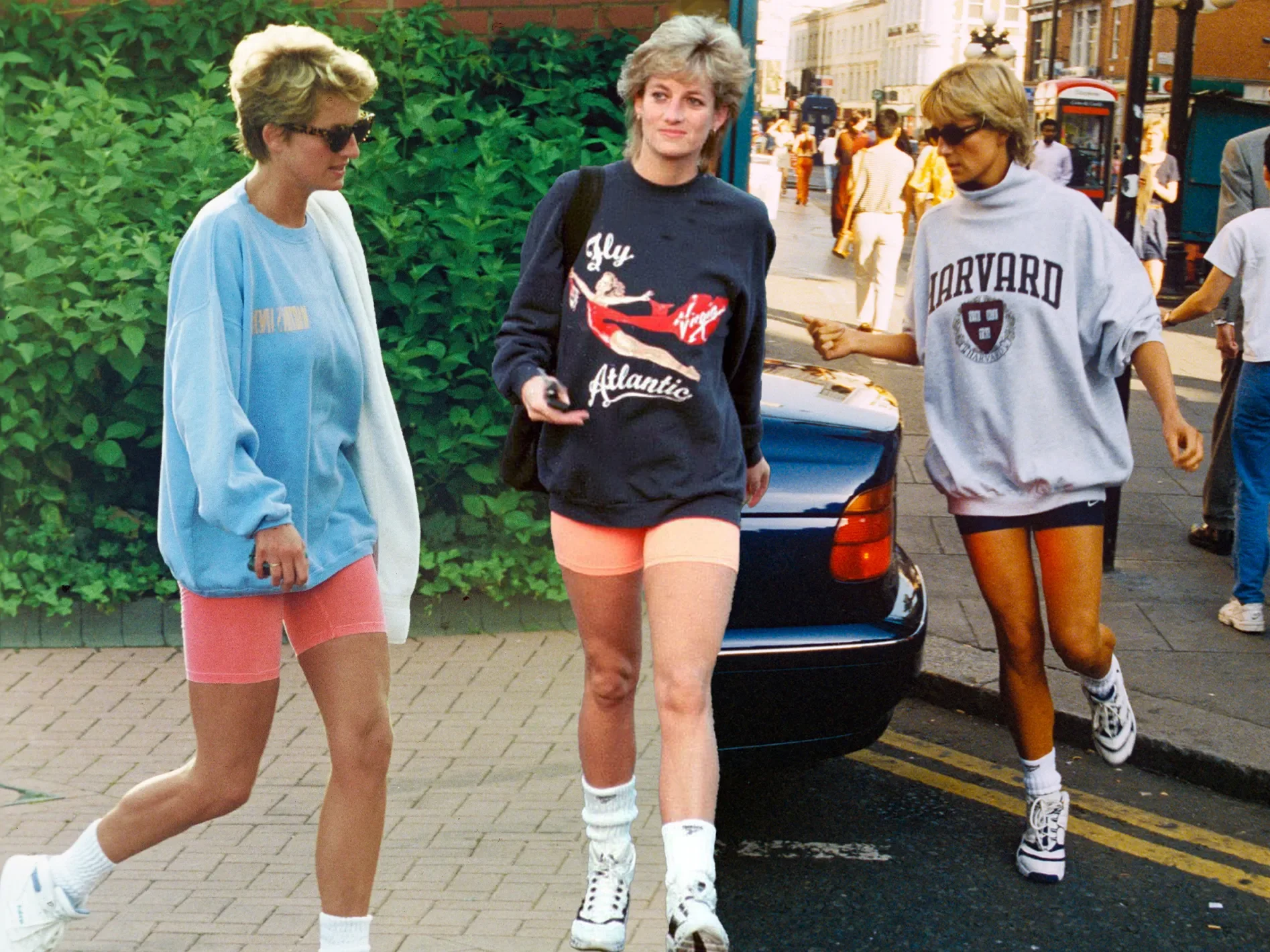
Image Courtesy: Vogue
She saunters down the street with the grace of Audrey Hepburn and the swag of Zoë Kravitz. Matcha in hand, string headphones in ear; everyone is eager to know who she is and how she is doing it. Her secret isn’t expensive perfume or her alacritous disposition; it’s something much simpler. She is ornately decorated in head-to-toe Athleisure.
Athleisure can be defined as a category of wardrobe that serves both performance and functional purposes yet is socially acceptable for everyday use. The athletic wear genre has blown up in recent years, with the market size hitting roughly 402 billion dollars in 2026, with an estimated 844 billion by the year 2034. Instead of baggy T-shirts and old gym shorts, we reach for the trendy patterned sports bra and legging sets. How can we explain this sudden change? Why now? This answer goes deeper than just a shift in trends; it impacts the fabric of our lifestyles. We value fashion, health, and wellness, but can they be considered under the same genre?
Now, fitness is fashion. Physical activity, which used to be purely performance-based, has transcended into an experience, and an expensive one at that. With the average workout set costing over one hundred dollars, athletic wear brands are capitalizing on selling aesthetics, not just functional workout clothes. They do this by advertising a lifestyle along with clothing. You may be having the most hectic day of your life, but when you put on a workout set, you’re immediately the picture of health, wellness, and organization.
This shift is also in part due to technological advances. Today, designers have materials readily available to accommodate physical activity. Sportswear meets science with synthetic fabrics like polyester and nylon, physically pulling the sweat away from your body to maximize comfort. Activewear can also be sustainable if made with natural options like bamboo and merino wool. The surplus of options has not only made producing athleisure easier and more efficient, but it has also allowed the saturation of the market to increase tenfold. The beauty of the industry also lies in its relationship to identity. For each physical activity, a new persona is created. As soon as you step out in that light pink workout set and matching headband, you’re no longer a participant; you’re a Pilates princess pulsing to royal perfection. It’s the same idea with run club attire and pickleball prep. With each new activity, you’re able to leave your life behind and be someone else for a short time. No one else in that Pilates class or run club knows where you came from or what plans you have after; all they know is that you showed up in an adorable outfit, and that’s all that matters.
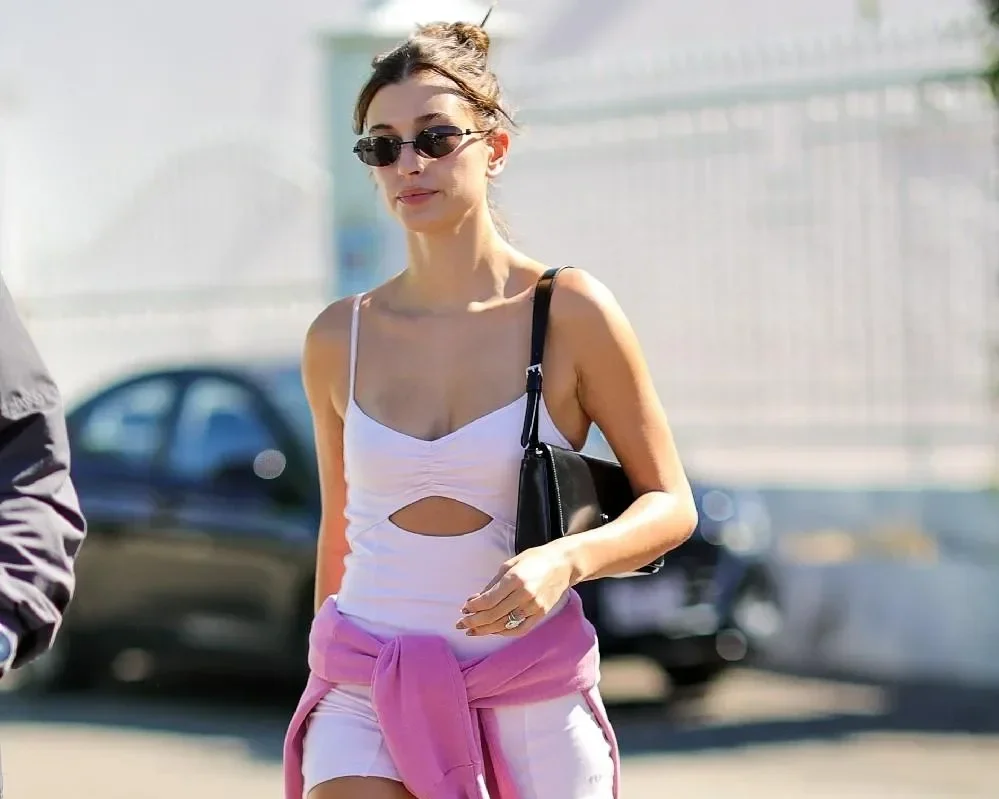
Image Courtesy: Elle Australia
Whether fitness could be considered fashion is a topic much debated in both the fashion and wellness industries. Initially, performance wear was refined to clothing manufactured for a single attended event like rowing or running. Athleisure, on the other hand, combines function with fashion, where you could wear the same outfit you wore to the gym to brunch and get earnestly complimented in both environments. The two fields have become so interchangeable that they even react similarly to trends and fashion forecasts. For example, capris have recently come back in style from their decade-long hiatus. These decadently styled pants were featured numerous times during Paris Fashion Week 2026 by renowned brands such as Maison Margiela and Khaite. Capris have become ubiquitous within the athleisure industry, with brands like Set Active, CSB, and Dairy Boy all releasing collections centered around the quarter-length pant style.
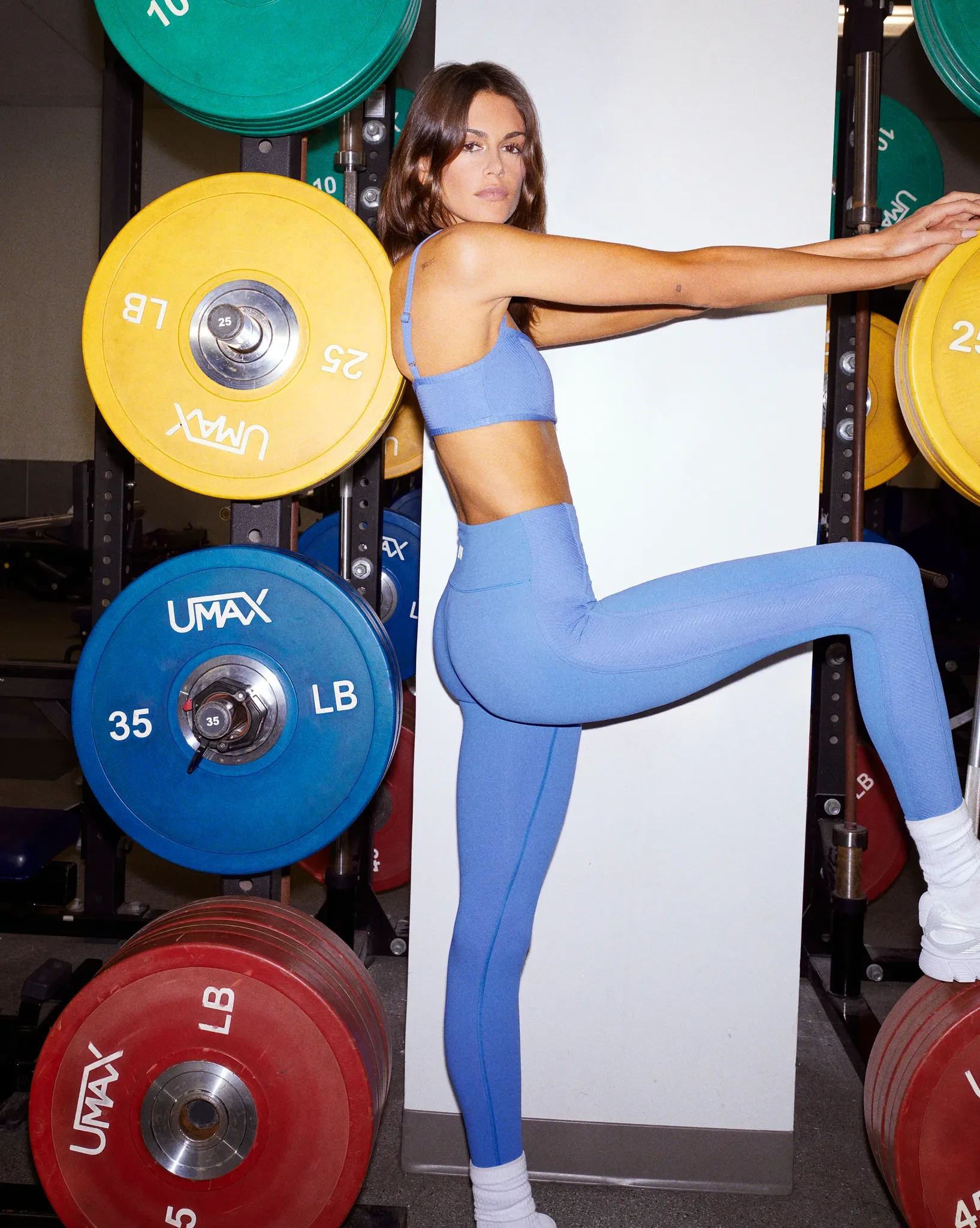
Image Courtesy: Vogue Magazine
Some may say that the notion of Athleisure as high fashion would make pioneers like Coco Chanel roll in their graves. To this, I say that couture is couture and fashion is ever evolving; we either could choose to evolve with it or be left behind. Besides, the casual sportswear movement was instigated by American designers who were able to show the rest of the world how much potential lay untapped in the simplistic design of athleisure. The practicality and accommodation to what women need in a market where there is a trade-off for the purpose of visual appeal was an idea unknown to most designers at that time. Now brands like Tory Burch and Stella McCartney have lines specifically designated for activewear, making the effect athleisure has had on the fashion world quite clear. High fashion houses are now capitalizing on casual and using it to elevate everyday wardrobes.
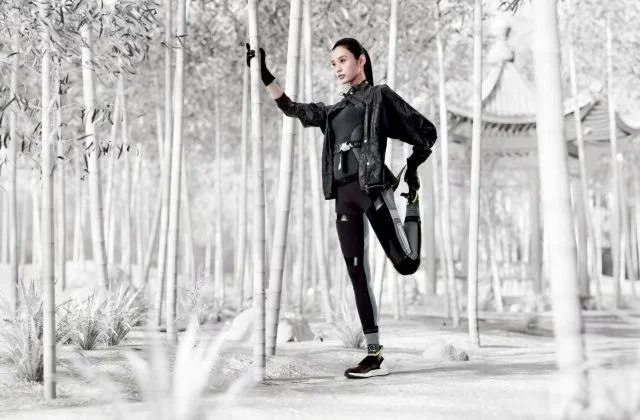
Image Courtesy: Fashion Network
Although athleisure has the capability to motivate and encourage people to develop healthy habits and sustainable lifestyles, it is also increasingly expensive. The average workout set sells on the market for over 100 dollars, making it an exclusive wardrobe choice. When purchasing a workout set, are we purchasing a fashion statement or a ticket into a specific lifestyle and class recognition? Not everyone can afford to purchase a two-hundred-dollar Lululemon set, and that doesn’t make them any less healthy or wellness-oriented. While athleisure can be a fun way to push people to do well for their bodies, it could also divide people in ways that are extremely superficial and, dare I say, silly. Just because the girl next to you has a matching polka dot set on does not mean she can lift more weight or run faster than you; this is simply untrue. Capability is extremely detached from appearance, and this is important to note when looking at the fitness industry.
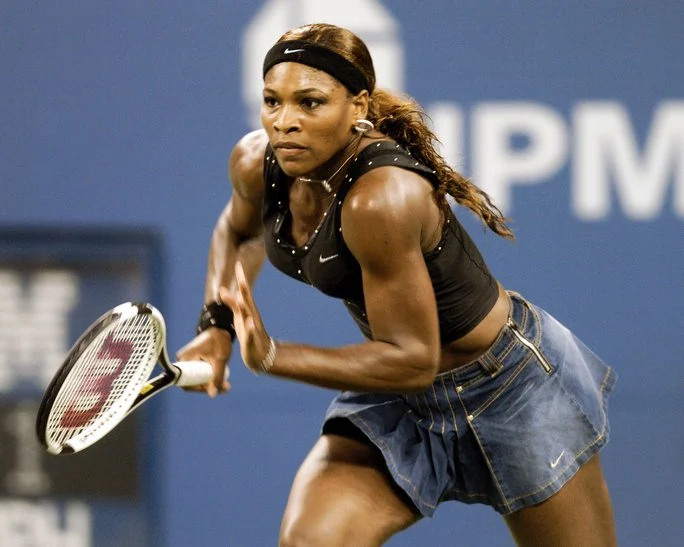
Image Courtesy: The Fashion Plate Magazine
Health is wealth and fitness is now fashion. The whole athleisure trend shows that we are not just dressing for performance anymore; we're dressing for a lifestyle. We are changing the face of fashion to be an inclusive one of convenience rather than suppression. When we wear athleisure, we can transcend our daily tasks into ones of great significance. We can be Serena Williams in the 2004 US Open rocking an all-denim miniskirt or Dennis Rodman in 1996, sporting a snakeskin scarf to a casual Chicago Bulls game. Fitness is fashion, not just because it’s a trend, but because it's sustainable and fun. Athleisure is a space where comfort, health, and self-expression can coexist. If health is wealth, maybe what we wear to achieve it is fashion after all.
Strike Out,
Writer: Addison Lucas
Editor: Samantha Goldberg
Graphic Designer: Lexee Baker