
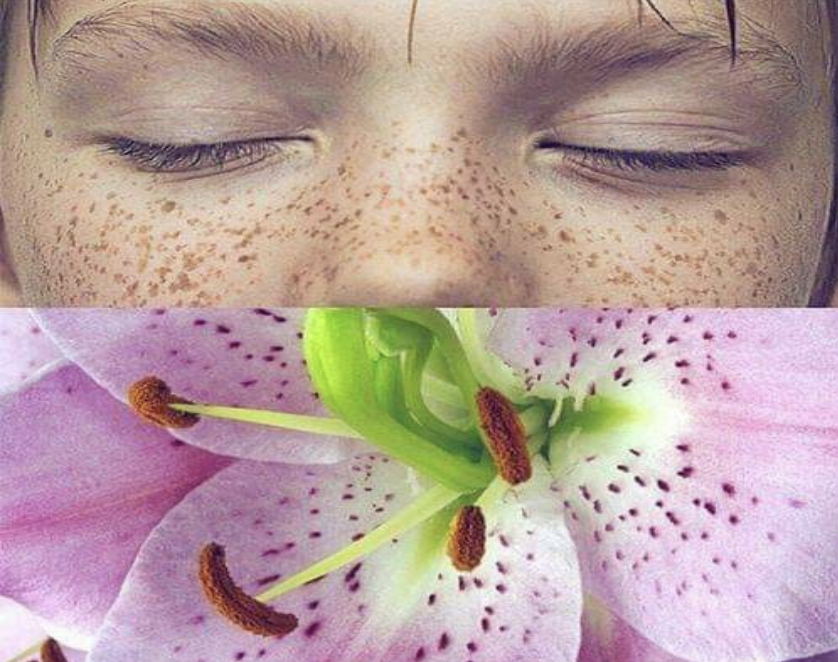
Image Courtesy: Pinterest
Once upon a time, freckles were something to hide. A flaw. A blemish. Something you covered with concealer or tried to bleach away with lemon juice and drugstore toners. For decades, beauty culture taught people, especially girls, to erase themselves, to strive for clear, uniform skin that looked like porcelain under flashes and fluorescents.
Now, the tide has turned. Freckles are no longer seen as imperfections, but as charming, desirable, even aspirational. They’ve become a trend, something people without them pay to mimic with makeup pencils, filters, or tattoos. What was once natural is now curated, manufactured, and sold, and with a wave of my magic wand, voilà! Freckles appear anywhere but from the sun!
The truth is more complicated. What we’re witnessing isn’t just the redemption of a once-maligned feature; it’s the commodification of authenticity. In a culture obsessed with “natural beauty,” there’s irony in how often this look is anything but natural. Freckles are just the latest casualty in a beauty industry that knows how to repackage individuality and sell it back to us, carefully styled, algorithm-approved, and always on-brand.

Image Courtesy: witness2fashion
Freckles have never just been freckles; they’ve always meant something. In the 20th century, they were framed as childish, awkward, and undesirable. They became a quiet symbol of nonconformity in a beauty culture that prized polish, symmetry, and visible effort. If you had them, you learned early on that they didn’t fit the standard and that they weren’t welcome.
This wasn’t just personal; it was systemic. Freckles were treated as a flaw in industries built on selling a narrow vision of perfection. As for people with darker skin tones, textured skin, or visible conditions like acne or melasma, the message was even more unforgiving: natural skin wasn’t aspirational unless it looked filtered, poreless, and impossibly smooth. The ideal wasn’t just about being beautiful; it was about being manageable, marketable, and easily edited.
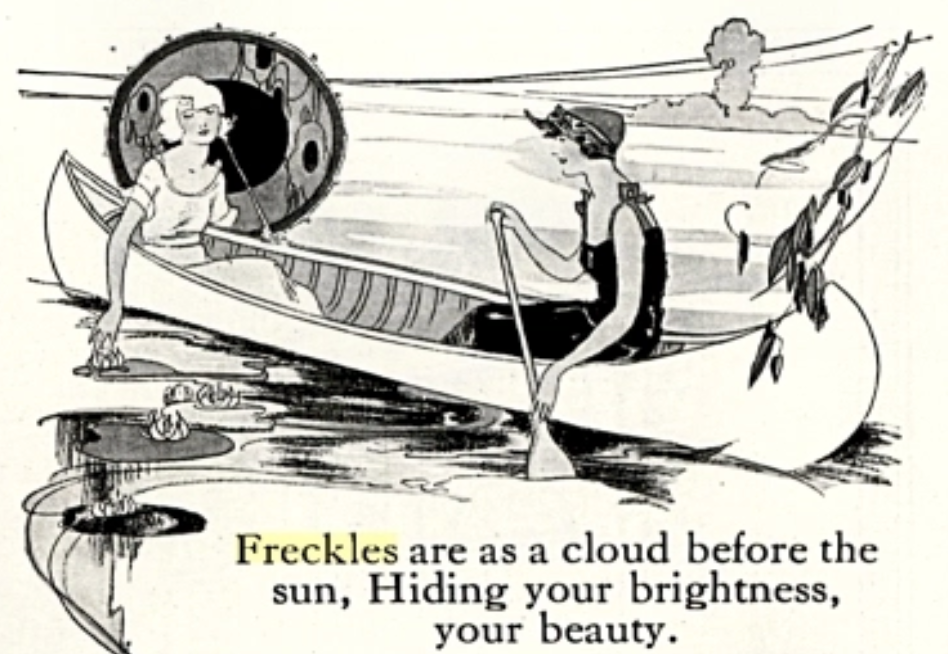
Image Courtesy: witness2fashion
Today, the story is different, or at least it looks that way on the surface. Search “freckle pen” on TikTok and you’ll find thousands of tutorials teaching you how to draw them on, often led by influencers like Alix Earle, who dots faux freckles across her nose and cheeks as a final, almost essential step in her makeup routine. Type “freckle tattoo” into Google and you’ll find aesthetic clinics offering semi-permanent options that mimic what the sun used to do for free. These are not niche beauty hacks tucked away in obscure corners of the internet; they’re front and center, commercialized, and, ironically, marketed as a way to embrace your “natural” beauty. What used to be a feature you hid is now one people pay to simulate with freckle pens, henna, and pigment tattoos. However, the shift isn’t necessarily about inclusivity. It’s about control.
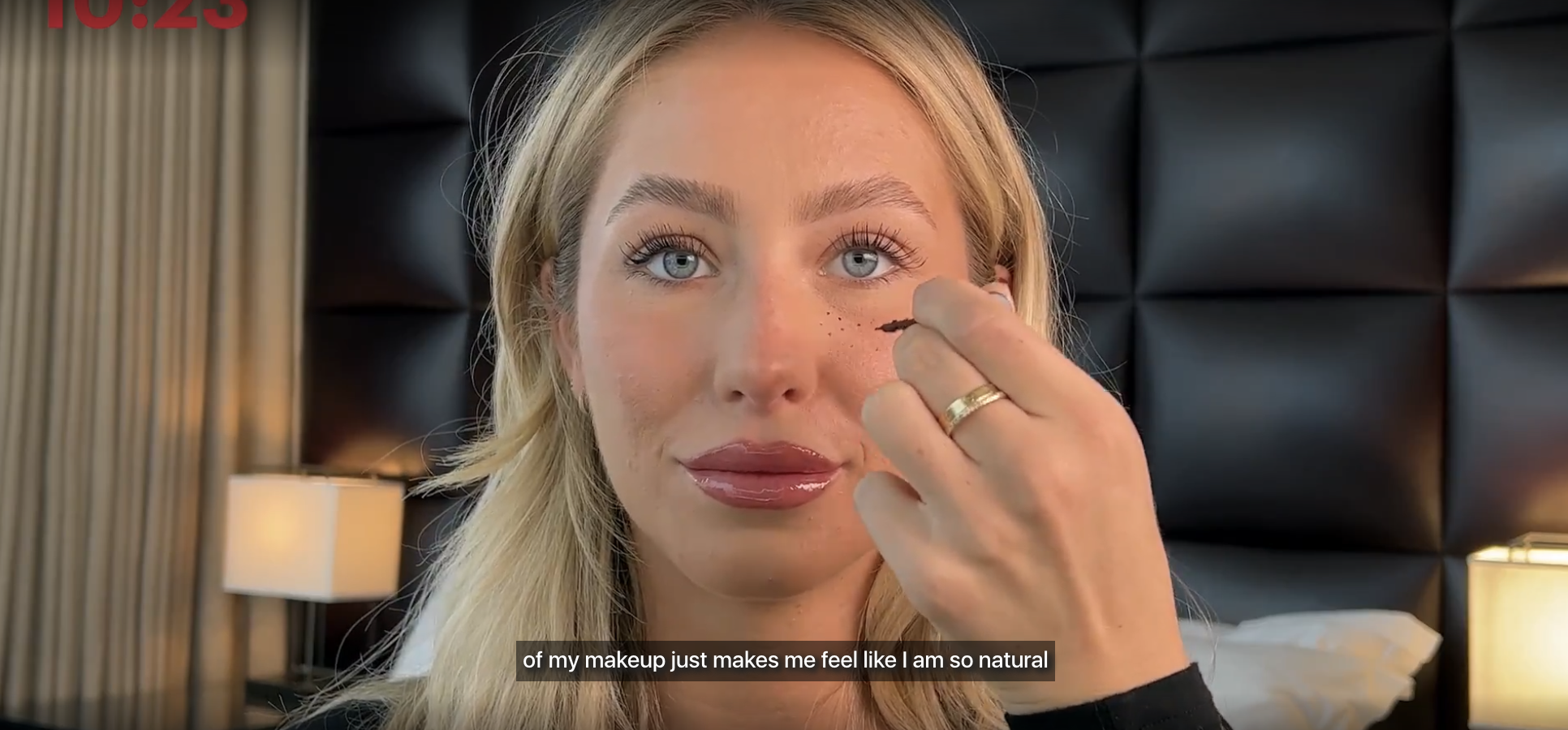
Image Courtesy: Allure
Make no mistake: today’s freckles are curated. A delicate scatter across the nose bridge. A few specks along the cheekbones. Just enough to suggest a sun-kissed glow, but never so many that they overwhelm the face or disrupt the balance of the look. They’re not about embracing imperfection; they’re about manufacturing a new version of what "real" is supposed to look like.
So we’ve arrived at a strange moment: freckles, once treated as blemishes to hide, are now a beauty trend to buy into. People use henna kits and semi-permanent dyes to get the look. They follow placement guides to ensure their faux freckles fall just right. The goal isn’t to reclaim what’s real; it’s to emulate it, control it, and sell it.
This is the contradiction at the heart of modern beauty: looking natural now takes effort. The ideal isn’t the polished, full-glam look that once dominated Instagram feeds, but something softer, skin that looks bare but is subtly corrected, a face that looks untouched but has been carefully sculpted. The compliment people chase isn’t “You look amazing all done up,” but “You look amazing without trying.” Except there’s almost always effort involved, it’s just hidden now—tutorials for “no-makeup makeup” stretch on for 20 minutes. Products promising “skin-like” finishes still blur, lift, tint, and define. The goal is to appear effortless, not to be effortless.
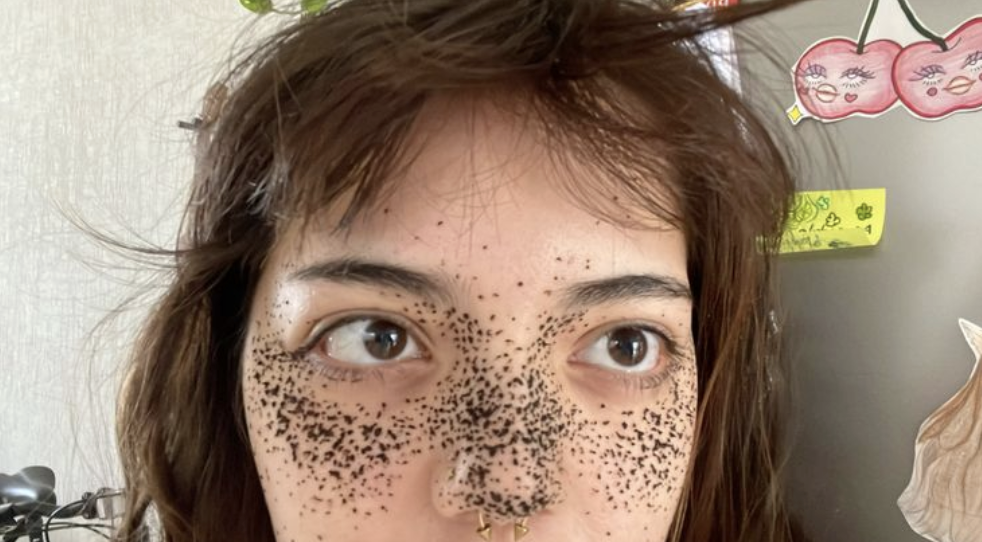
Image Courtesy: Pinterest
What’s being praised as “natural” today is often anything but. Freckles are drawn on or tattooed. Skin is filtered, blurred, or enhanced with products designed to be invisible. In this environment, performative naturalness has become its own kind of aesthetic currency, a way to signal taste, discipline, and a certain mastery of subtlety. Looking like you didn’t try has become the new beauty standard, even if it requires just as much effort as the bold, obvious looks that came before.
This is what cultural critics might call manufactured authenticity, the appearance of realness that’s been carefully engineered. It’s no longer enough to be beautiful; now you have to look beautiful without appearing to care. The makeup, the lighting, the procedures, all of it is still there, but it’s hidden beneath a surface designed to feel untouched. When this curated version of “effortless” becomes the norm, it quietly raises the bar, setting standards that are just as unrealistic as the heavily filtered trends they’ve replaced.
Zooming out, this isn’t just about freckles; it’s about how beauty culture has reached a point where even authenticity is something we have to perform. “Natural” no longer means unfiltered; it means carefully edited to look unfiltered. This matters not because fake freckles or makeup are inherently bad, but because we’re in a moment where authenticity itself has become a form of branding. Freckles went from being real to shameful, to aspirational, and now, they’re just another trend to buy into. In a culture obsessed with looking effortless, effort has become invisible, and genuine beauty harder than ever to define.
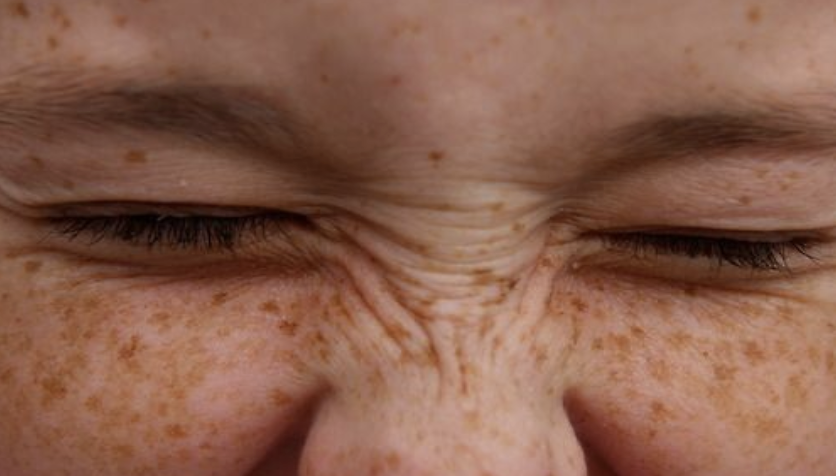
Image Courtesy: Pinterest
Strike Out,
Writer: Alexia Cretoiu
Editor: Daniela Mendoza
Graphic Designer:
Tallahassee