
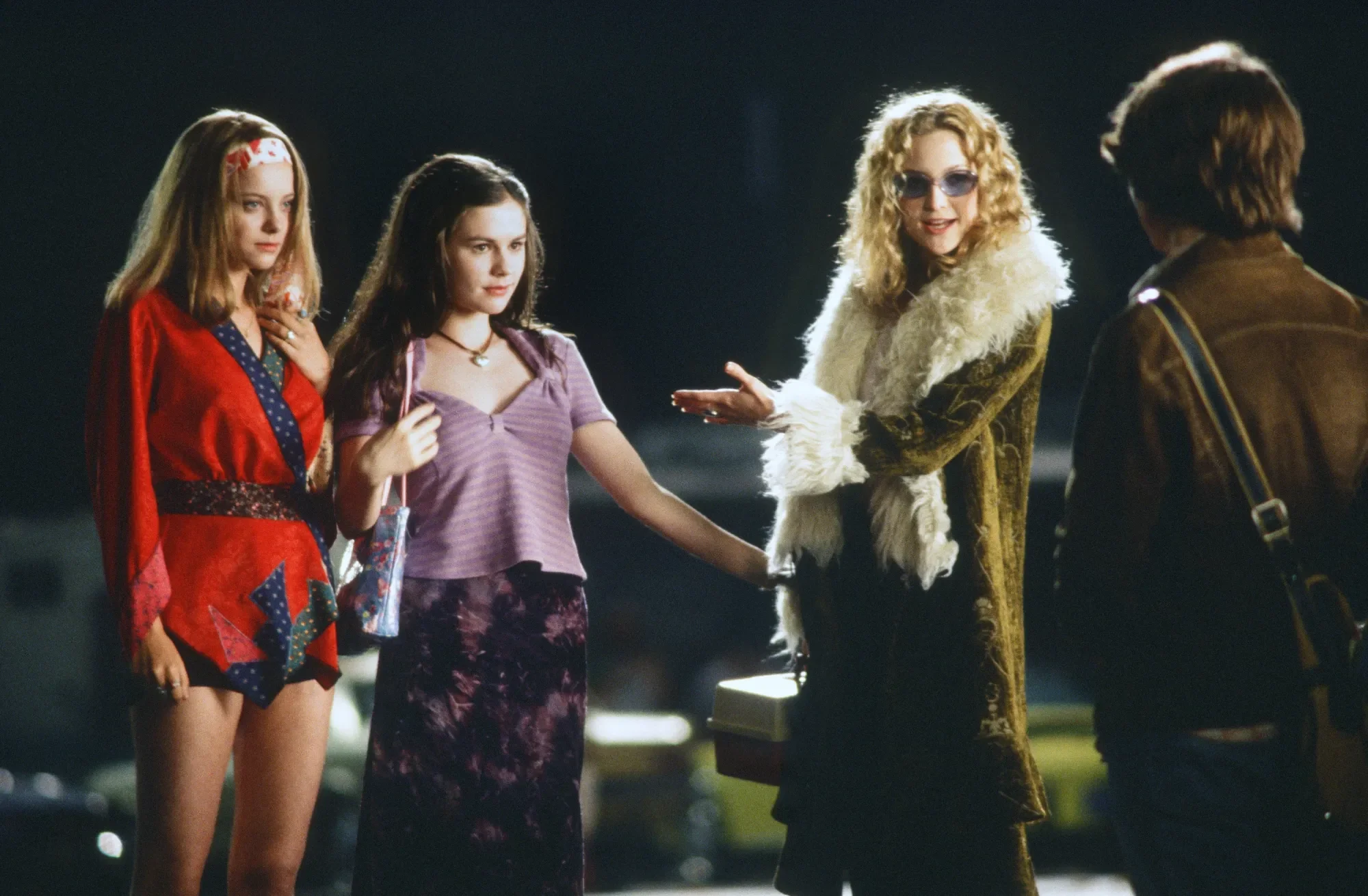
Image Courtesy: Almost Famous (2000)
Almost Famous (2000) is just one of those movies that makes me immediately think about how lame my life is. I yearn for the era of Afghan coats, colorful sunglasses, and going absolutely crazy for a rock band with the hottest lead guitarist you’ve ever seen (thank you, Billy Crudup). Not to mention, the film has one of the most magical soundtracks I have ever heard. I mean, come on, Led Zeppelin, Simon & Garfunkel, Todd Rundgren, and The Who. These are just a few bands that absolutely defined my childhood. I can’t imagine who I would be if it weren’t for the late nights listening to Ziggy Stardust by David Bowie on my dad’s record player, or dancing in the living room to the first Zeppelin album with my mom.
Once I was old enough to drive, I immediately started going to every concert I could afford. I spent so many nights at Ritz Ybor and Crowbar in Tampa, waiting in line for hours to see my favorites like TV Girl, Mannequin Pussy, Men I Trust, and Tennis. At said concerts, I had always noticed aggressive crowds and excessive fainting spells, but everything changed for me when I saw Faye Webster at the House of Blues.
I waited somewhere around 8 hours in the sweltering Florida heat, and had proudly claimed the middle of the barricade. But by the time the opener was finished, I was completely pushed off the railing by rowdy middle schoolers who only seemed to know the TikTok hits. It made me think back to the world of Almost Famous (2000), and the true music appreciation that is so lovingly highlighted in every part of the film.
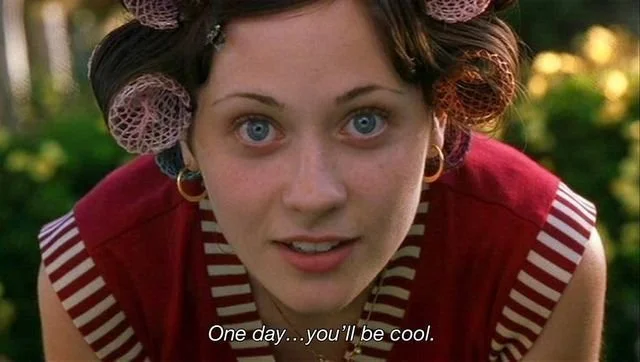
Image Courtesy: Pinterest
The word “groupie” has an interesting history. In the late 1960s, it was a term rooted in love for music, but as times changed, it quickly became an almost degrading one, used to label the women who fawned after band members. In Almost Famous (2000), Penny Lane quickly dismisses William Miller’s initial label of her being a groupie. She says, “We are not groupies. Groupies sleep with rock stars because they want to be near someone famous. We are here because of the music. We inspire the music. We are Band-Aids.”
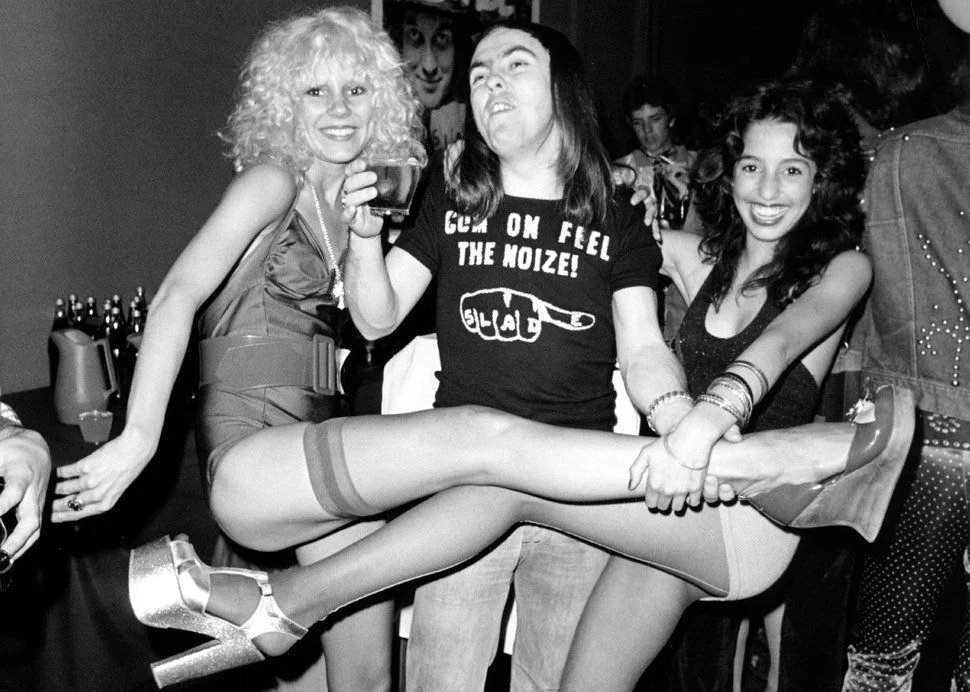
Image Courtesy: Pinterest (Crowe pictured with Sable Starr and Lori Mattix)
Almost Famous (2000) is a semi-autobiographical film based on Cameron Crowe’s experiences as a music journalist in the 1970s. Penny Lane’s character was inspired by Pennie Lane Trumbull, as well as other famous groupies Crowe met along the way, like Lori Mattix, Pamela Des Barres, and Sable Starr. While Pennie Trumbull remains secretive, Des Barres and Mattix have shared their stories very honestly. They were a part of an absolutely unreal time in rock n’ roll, one that is truly unfathomable today. Des Barres attributes it to the period, saying that rock stars could just walk down the street with no worry, a stark contrast to the hordes of crowds and paparazzi today. She also says that women weren’t involved in rock n’ roll yet, and being a groupie was as close as they could get to being in a band themselves (Bain).
I think that people get too caught up in the aesthetics and appearances of music now. Going to festivals, taking Instagram pictures, and getting barricades at a concert. People wait outside of venues for way more than 24 hours, camping out in lawn chairs and going so far as to sleep outside the venue. As concert ticket prices have gone up, I feel like live music has lost its sort of authenticity. In Almost Famous (2000), it is portrayed in this beautifully free way. Loving music is something that comes so naturally and is so easy to do for all of the groupies. They love rock n’ roll, and they wish to be fully immersed in it. We currently live in a culture that cares so much about singular appearances and so much about perception. Loving music should never fall under the category of performability.
Strike Out,
Writer: Abby Marshall
Editor: Isabelle Kim
Graphic Designer:
Tallahassee