
Hobbymaxing: A Retreat to the Physical Mediums
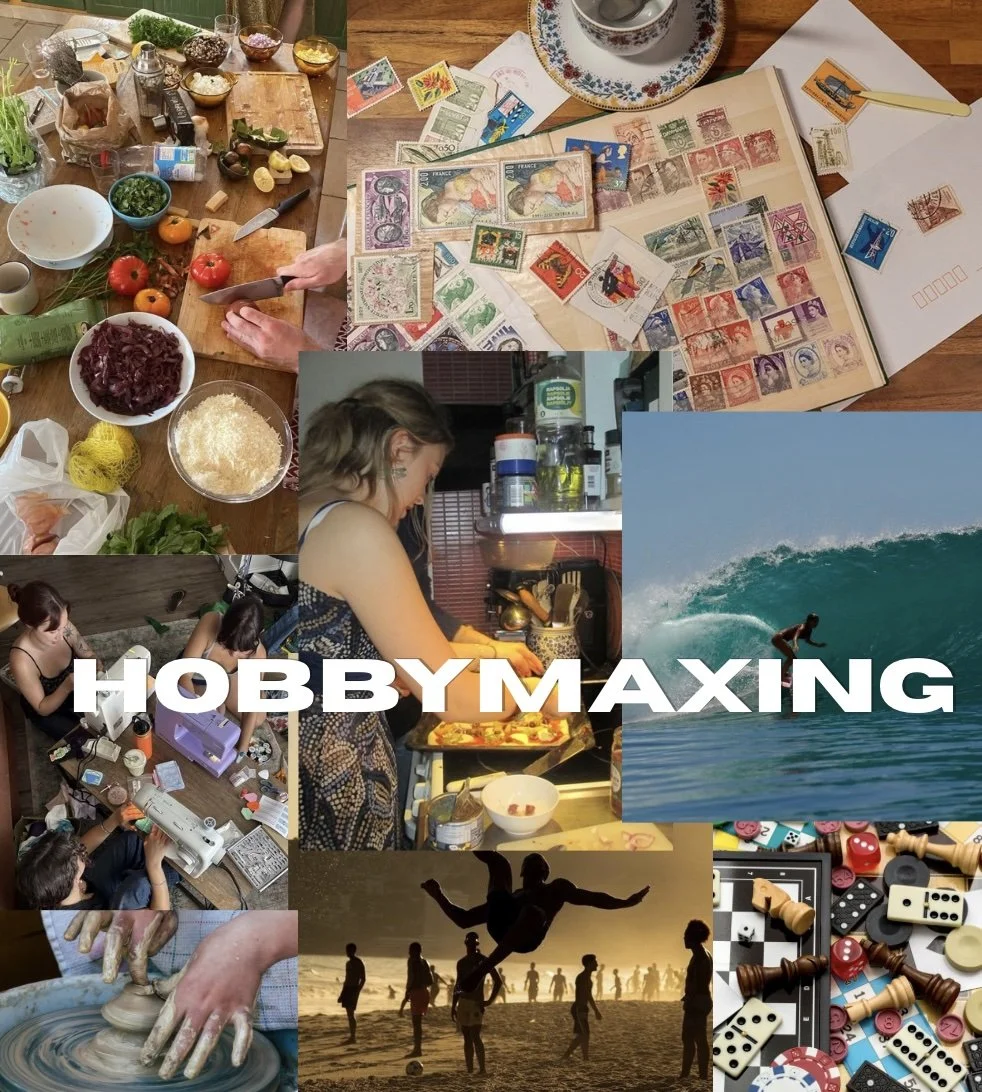
Image Courtesy: Addison Lucas
When it comes to generational stereotyping, offline is not in Gen Z’s usual repertoire of adjectives. Generation Z, the demographic born between 1997 and 2012, was among the first to be born into an age of readily accessible technology. The first iPhone was unveiled in 2007, meaning no one under 18 has ever existed in a world where a Rolodex of different applications and contacts wasn’t available with the click of a button. However, times have changed. There is no home button on an iPhone anymore, and iPods have become obsolete. This is the start of a revolution society has coined “Hobbymaxing.”
Digital media has become increasingly saturated with spaces for creation, such as TikTok, Substack, Instagram, Reddit, and even the invasive stint that was the BeReal app. Just as people have more ability to create, they have an equal opportunity to consume, with the average screen time of a Gen Z teenager being 8.5 hours. For reference, this is comparable to the time it would take to travel from New York City to Niagara Falls under the speed limit. This is not just a trend: it’s a lifestyle. This is where the concept of Hobbymaxing comes in.
Hobbymaxing is the notion that society is retreating to physical entertainment with a hands-on approach. For some, this means gardening, chess, or mahjong. In other cases, this could mean rollerskating, surfing, or even cliff diving. At the core of this movement lies a common denominator: intention. We as a society are more intentional about our time. Instead of doomscrolling for hours for nothing to show for it, we are building, creating, and completing making it not only a more energizing version of a pastime, but also a more fulfilling one.
This movement can be traced to a cultural phenomenon called screen fatigue. We are so used to staring, consuming, and virtually living through digital spaces that we have forgotten how good tangible activities feel. A finished product, whether it be a painting, a home-baked good, or tomatoes grown right in your backyard—something you can grasp with your fingers—feels like a return to real life after years in doomscrolling Alcatraz.
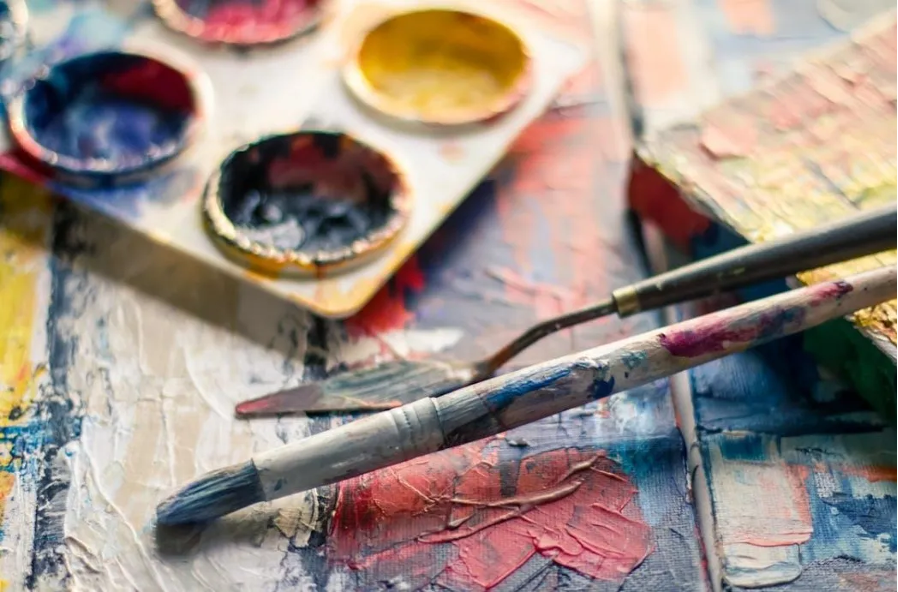
Image Courtesy of Essentially Pop
Unlike doomscrolling, hobbies have an established beginning and end. A book doesn’t continue after the ending; there is no endless for you page in the epilogue. This is the beauty of a tangible activity. It is entertainment in an incredibly sustainable way. There is a way to directly control consumption while also having evidence of time spent productively. It is an accomplishment to make a meal, finish a book, paint a picture, and simply do it.
An interesting aspect of Hobbymaxing is the way the internet is being used to prevent its own consumption. This contradiction is built on the premise of living life and doing things that fill your cup instead of just watching others do them online. It’s important to note that, when watching things like TikToks or Instagram dumps, they are mere glimpses into peoples lives. In reality, everyone has days when they don’t step out of their apartments and stay on the couch all day eating an entire party pack of Cheetos. Misconceptions about online versus reality can lead to comparison, whereas real-life activity is concrete evidence of individual success. Things like knitting, soccer, or drawing can be discovered online but fulfilled in real life, which is one of the trend’s most beautiful contradictions.

Image Courtesy of The Kit
Another aspect of this trend is the communities it can create. Things like book clubs, soccer teams, and group run clubs create spaces for relationships built on common interests, something that online spaces oftentimes lack. At the heart of this trend is intentionality. People want to connect with each other in ways that are, for the most part, wholesome. Sharing a home-cooked meal with someone face-to-face, for example, serves a different purpose than watching TikTok or YouTube while eating takeout. Hobbies create a mechanism for connection, something Generation Z could use a lot more of.
Despite the chronically online allegations, Gen Z has created something tangible. This changes our identity as a generation. We are no longer the screenagers everyone makes us out to be; we go outside, we have hobbies, and we have lives. If you needed a sign, this is it. Find something that fills up your cup and go get yourself a new hobby. Let’s start Hobbymaxing!
Strike out,
Writer: Addison Lucas
Editor: Samantha Goldberg
Graphic Designer: Isabella Mangano
Tallahassee