
Judging Albums By Their Covers: Women in Music
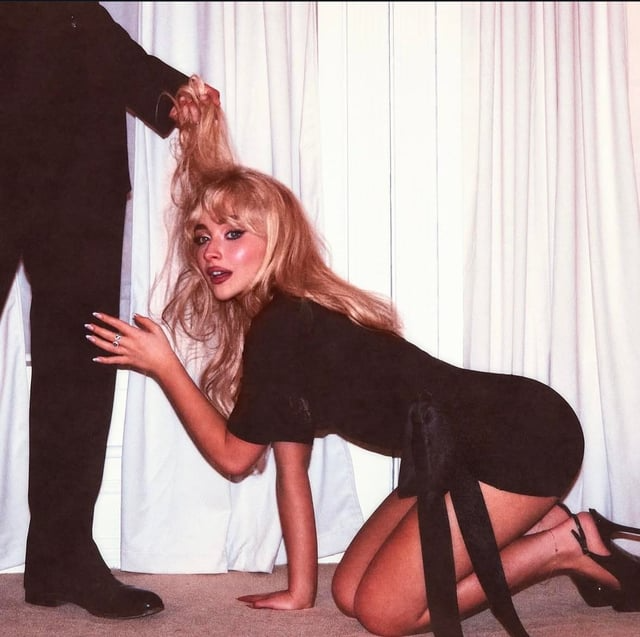
Image Courtesy: Apple Music
In music, the lyrics and songs themselves can seem like the main source of cultural influence. But, in the era of social media, the visuals released alongside an album can be just as impactful, if not more. Photoshoots, costuming, and red carpet looks are all perfectly curated to go along with the album. The visuals frame the way we consume music; they give a taste of the album’s themes before we even press play. In recent years, album covers have become cultural statements, especially for women in music.
Consider the conversation around Charli XCX’s Brat. The minimalist bright green cover sparked a new era for women in music, proving that visuals don’t need glitz and glamour in order to be enjoyable. The cover and music snowballed into a “Brat summer,” sparking a whole new movement for women. One based on authenticity, defiance, and autonomy. What could’ve been seen as “boring” or “uninspired” became a bold sign: a sign that women in music don’t need to decorate themselves to command attention.

Image Courtesy: The Conversation
This trend of women expressing power through album art isn’t new, but it has been heightened in recent years. For example, Lorde’s Virgin depicts an X-ray of her groin, with a zipper, button, belt buckle, and an IUD in the image. This album faced a bit of controversy, some people finding it “weird” (Dailey), but the symbolism and meaning that goes with it says something poignant about our culture. Lorde described her intent to be,
“I was trying to see myself, all the way through. I was trying to make a document that reflected my femininity: raw, primal, innocent, elegant, openhearted, spiritual, masc.” (Dailey)
The album itself ties back to this cover art and intention. It delves into gender identity, the expectations of women, and the power of femininity. Her vulnerability has been highly praised by audiences, calling it “introspective” (Georgi).
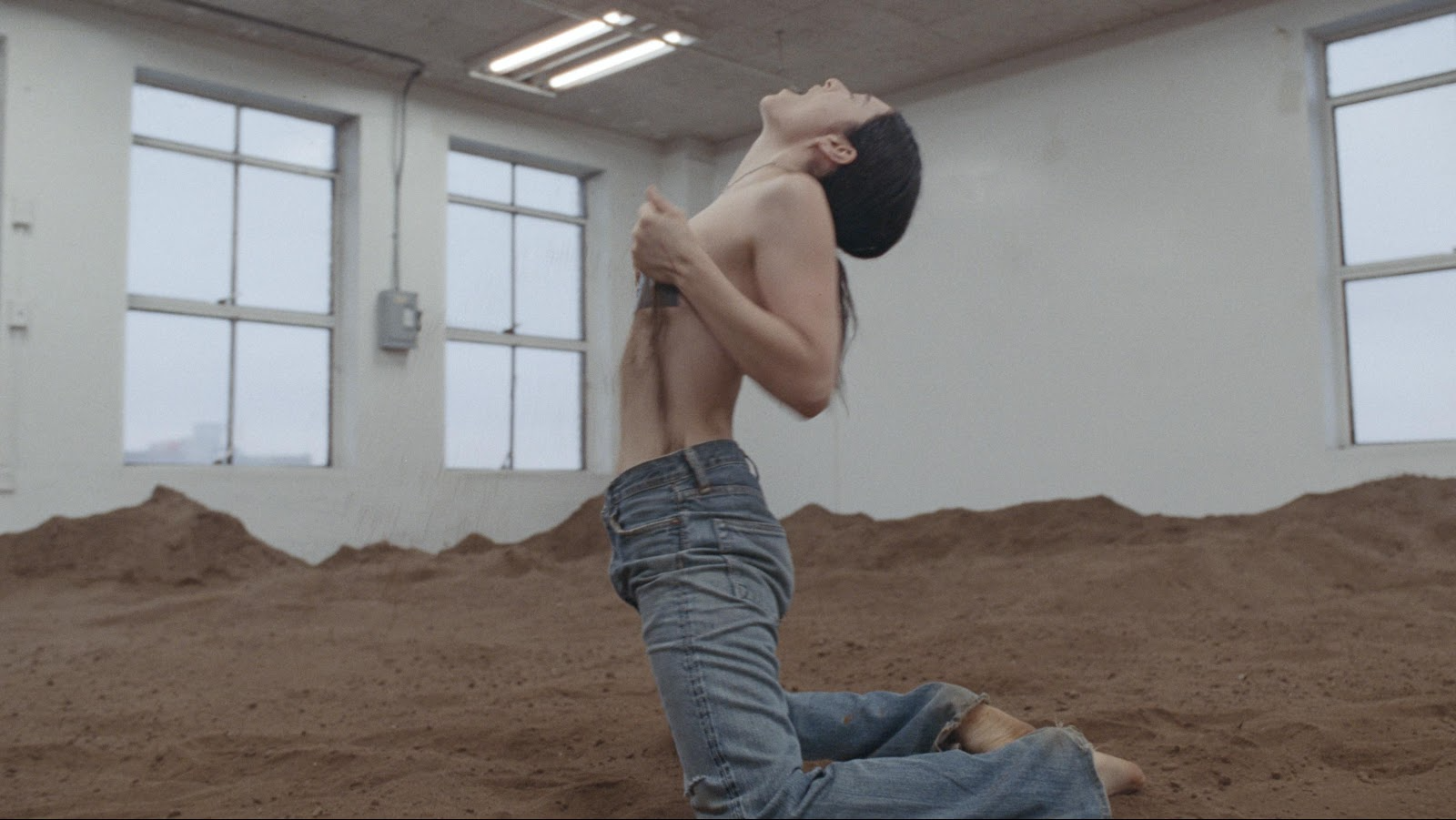
Image Courtesy: IMDB
On the other end of the spectrum, Sabrina Carpenter’s latest album cover has been extremely controversial. Her album, Man’s Best Friend, depicts her on all fours, at the foot of a man holding a fistful of her hair. X users described it as “demeaning” and "unfeminist", while loyal fans defended it. They claimed the cover as “satire”. Even Sabrina herself defended the cover during an interview with CBS (Murray and Cardinale). She said the cover showed women choosing when or when not to be in power, and said she took the criticism with a “grain of salt”. After the album’s full release, public opinion began to sway. The content of the songs included many critiques of men and instances of female empowerment. Songs like “Manchild” and "Nobody's Son” cover the growing trend of men having exclusionary views of women. The album, similar to Lorde’s, reclaims femininity but in a way distinct from Lorde’s or Charli’s.
So, what makes Lorde’s cover “feminist” and Sabrina’s “regressive for women”? The answer is in our culture’s perception of femininity. Lorde’s album, while showcasing female empowerment, is inherently masculine. Her song titled “Man of the Year” and music video, showcasing Lorde with her breasts taped, emphasize the sense of power she finds in being masculine. It is seen as high art, abstract, and poignant. Sabrina’s, on the other hand, is flirty, fun, and feminine. It is seen as demeaning, unserious, and dismissed as art. Public reception of the two albums reveals a lot about our culture's double standard: society is quicker to celebrate female empowerment when it's subtle, symbolic, and unsexual. When that power is wrapped in provocation and catchy pop songs, it is something to be ashamed of.
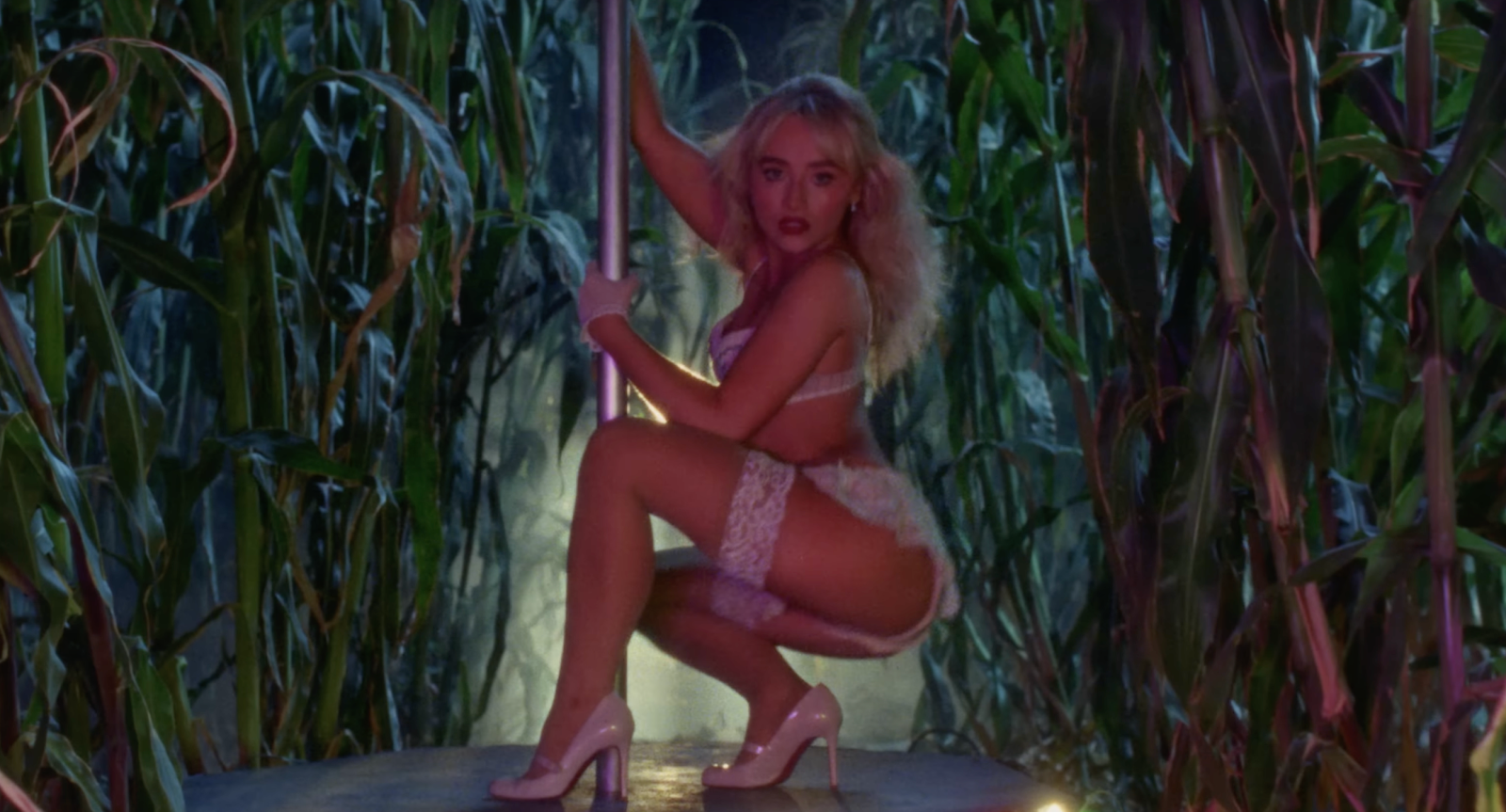
Image Courtesy: Headline Planet
Album covers don’t just decorate the shelves in record stores; they reveal the cultural disparities in how we view femininity in relation to power. Brat rejected polishing, Virgin intellectualized, and Man’s Best Friend weaponized provocation. Each album had its own approach to reclaiming power, and forced audiences to sit with which depictions of female empowerment are deemed acceptable and worth listening to.
Strike Out,
Writer: Ava Arenado
Editor: Salette Cambra
Graphic Designer: Gianna Graziano
Tallahassee