
Rhode’s Recipe for Success: How Hailey Bieber is Redefining Marketing Culture
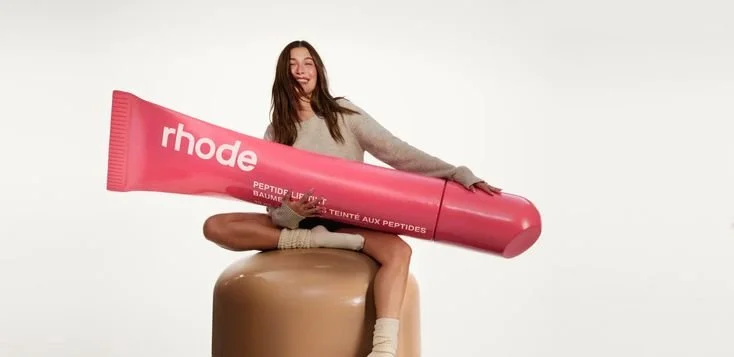
Image Courtesy: Chandelier Creative/Harley Weir
When Hailey Bieber launched Rhode, she wasn’t just selling skincare; she was rewriting the playbook for modern marketing. In an industry where celebrity brands come and go like seasonal trends, Rhode stood out by making marketing itself feel cultural. Clean. Glazed. Sweet.
Suddenly, lip treatments weren’t just lip treatments. They were strawberry glaze, vanilla cake, caramel – edible, nostalgic, and impossible to scroll past.
This is what makes Rhode so fascinating: it’s not only a beauty brand, it’s a culture brand. The marketing doesn’t stop at the products. It spills into phone cases, campaigns that look more like moodboards than ads, and a community that feels “in” on something bigger. Rhode’s strategy is about more than glossed lips; it’s about shaping what cool looks like right now, and it’s working.
What Hailey has done is take her personal aesthetic — minimal, wellness-driven, effortlessly cool — and translate it into a marketing culture that others are now copying. Brands across industries are racing to replicate Rhode’s sweet, sensory-driven campaigns. Rhode proved that people don’t just want products, they want to buy into a lifestyle, into a feeling. And that’s why Rhode isn’t just competing in the beauty industry; it’s influencing marketing standards everywhere.

Image Courtesy: Elle Magazine
Hailey Bieber’s marketing genius lies in the fact that she didn’t invent something out of thin air; she refined and amplified a culture that was already circulating online. The “clean girl” aesthetic existed before Rhode, but Hailey embodied it in a way that felt authentic—barely-there makeup. Glazed skin. Effortless outfits that whisper wealth without shouting it.
When Rhode launched, it didn’t feel like another celebrity side hustle. It felt like the natural extension of Hailey herself. This is a key difference in marketing culture today: people aren’t just buying into a product, they’re buying into a person’s lifestyle. To create that feeling, Rhode has utilized the aesthetics of influencers whose feeds shared that same look. Soft neutrals, glazed skin, and a put-together lifestyle are all aspects of the world Rhode so carefully curates. The effect of this kind of marketing is subtle but powerful, as it showed Rhode wasn’t just Hailey’s lifestyle; it was a lifestyle anyone could step into. By showcasing people who felt relatable yet aspirational, Rhode made its world feel both accessible and desirable at the same time. Hailey didn’t have to tell us Rhode was cool; she showed us by living it, and we wanted in.
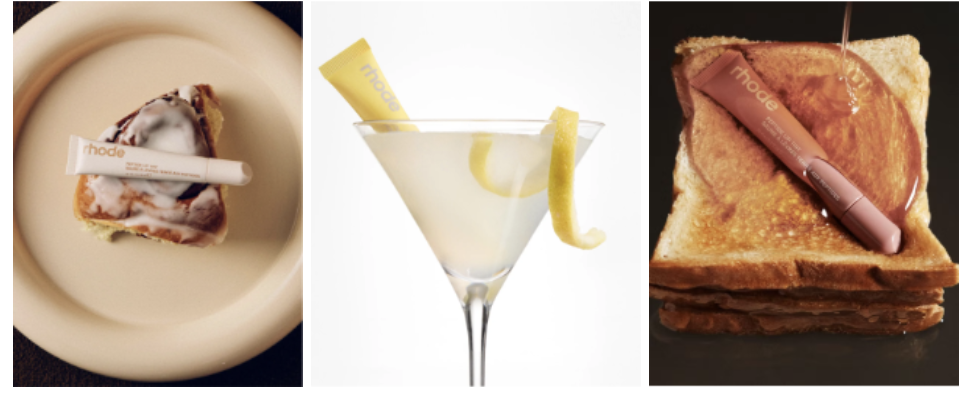
One of Rhode’s boldest moves has been its food-centric marketing. Instead of the sterile, clinical branding we’re used to from skincare, Rhode campaigns taste like something. Strawberry glaze. Vanilla Cake. Cinnamon Roll. Lemontini. Marketing you can almost smell, almost bite into.
This matters because it shifted how beauty brands approach culture. Suddenly, lip balm wasn’t just about hydration. It was about indulgence, nostalgia, and playfulness. Rhode made beauty feel warm and sweet, and almost immediately, competitors mimicked that strategy. Rhode attached the scents and colors of their products to foods and drinks that were representative of them. Photos that captured the warmth of toast and cinnamon rolls, or the refreshing look of a lemon martini, took two things and made them feel natural when combined. What used to be a product category leaning on science and sleek packaging now all of a sudden leans into mood, flavor, and vibe.
It’s a reminder that in marketing culture today, sensory storytelling matters more than ingredient lists. Rhode turned “glaze” into not just a finish but a cultural keyword, and now, it’s everywhere.
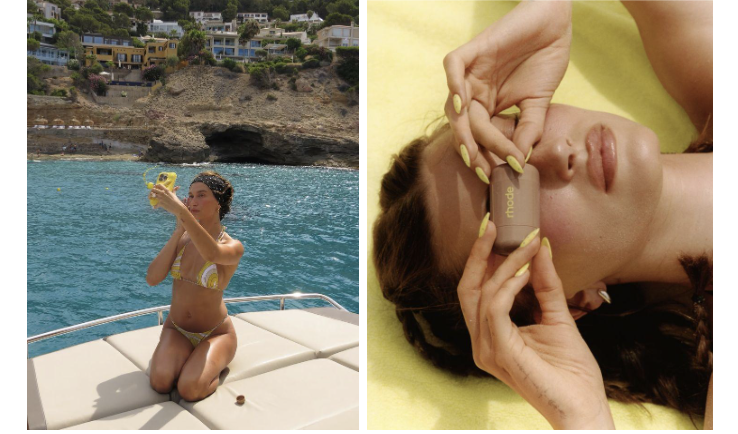
Here’s where Rhode really sets themselves apart: they didn’t stop at skincare. Rhode became a lifestyle brand almost overnight. The phone cases — yes, the phone cases — became just as sought after as the products themselves. Why? Because Rhode positioned them as status symbols. Carrying a Rhode case wasn’t about protecting your phone; it was about signaling taste.
Their campaigns push that cultural influence even further. For the launch of the Lemontini lip treatment, Rhode curated an aesthetic inspired by an Italian summer… a lemontini summer. They worked with micro influencers to create content that showcased how the product elevated a lifestyle of yellow. Hailey herself even addressed the shade on Instagram, noting that Lemontini wasn’t meant to be the trending butter yellow but a brighter, more vibrant hue. Once the cases and product dropped, bright yellow was suddenly back “in.”
This is the ripple effect Hailey has had on marketing and lifestyle culture. Rhode doesn’t just sell things, it sells belonging. And in today’s marketing world, that’s priceless. People don’t just want products that work; they want products that tell a story about who they are. Rhode mastered that balance by keeping everything minimal, clean, and elevated but also just playful enough to stay accessible.
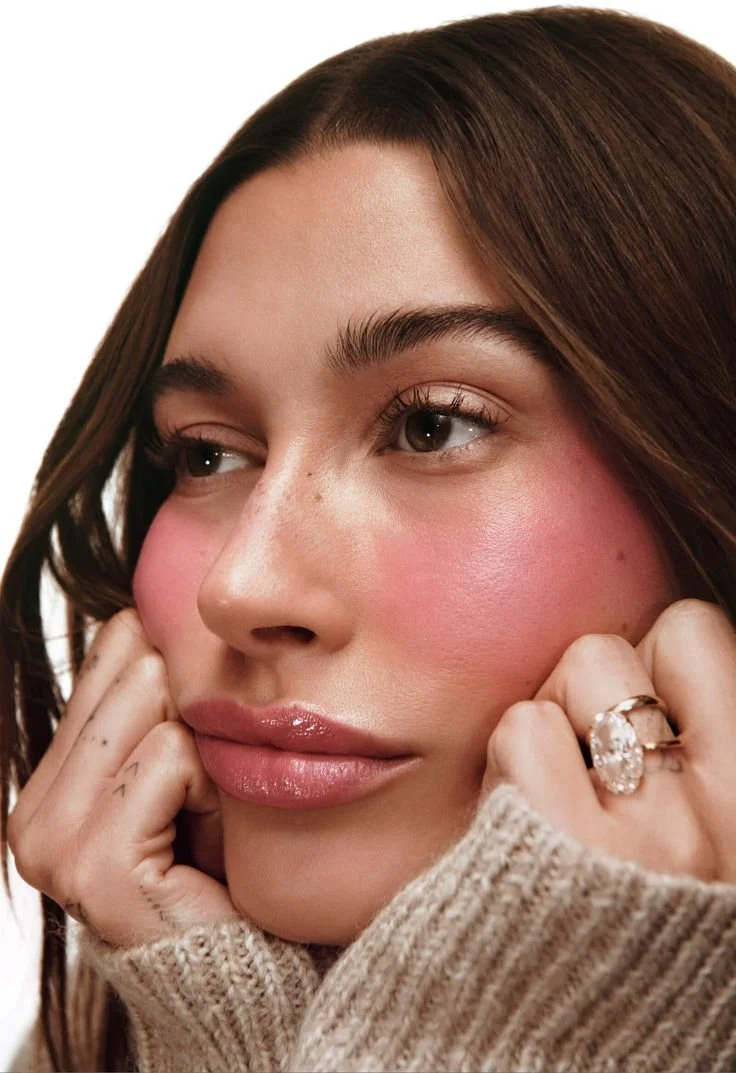
Image courtesy: Rhode skin
The biggest takeaway from Rhode’s success is that it has shifted what marketing looks like across industries. Campaigns now aim to feel warm, sensory, and immersive. Celebrity-backed products aren’t enough anymore; they have to feel like cultural ecosystems people want to live inside.
Rhode has become a blueprint. Its food-inspired launches, minimal packaging, and curated Instagram grids are already being echoed everywhere. Consumers want more than information. They want immersion. Rhode works because they know how to make a product feel personal.
Now, marketing culture is shifting to no longer being about who has the loudest voice or the largest number of products. It is about creating worlds that feel intimate, aspirational, and attainable all at once. Rhode perfected that balance. That is why their growth feels natural, why their products sell out instantly, and why they entered Sephora as more than just a skincare and makeup brand. They entered as a cultural phenomenon.
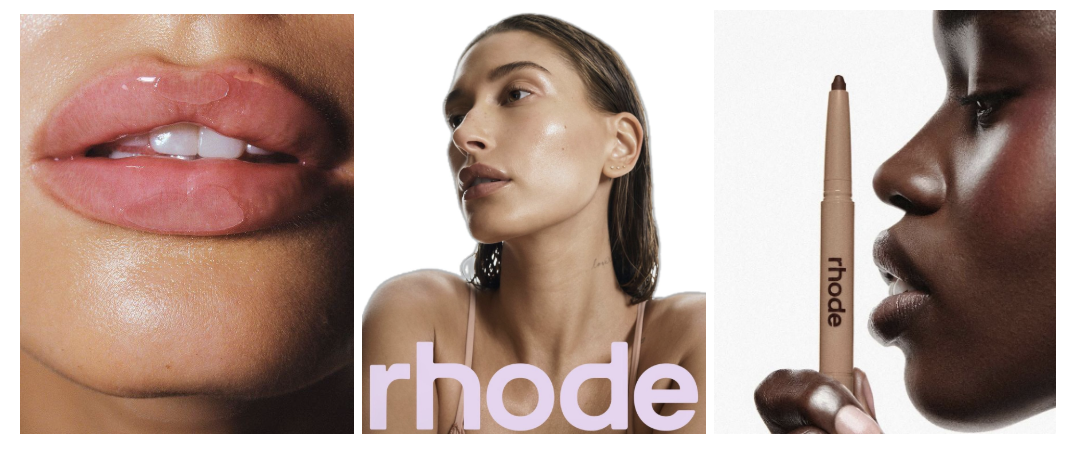
Image courtesy: Rhode skin, Clique Magazine, Pinterest
Hailey Bieber’s Rhode has done more than sell lip treatments and moisturizers. It has set a new standard for what marketing culture looks like in 2025. Brands that want to survive aren’t just competing on quality; they’re competing on vibe, on aesthetic, and on cultural relevance.
Rhode’s recipe for success is simple but powerful: be clean, be glazed, be sweet, and most of all, be intentionally yourself. In doing so, Hailey Bieber hasn’t just built a billion-dollar brand. She has redefined what marketing itself looks like.
Strike Out,
Writer: Maddie Steidley
Editor: Elizabeth Dimiaco
Graphic Designer:
Tallahassee