
Old Songs, New Fans: How Gen Z Is Making Past Music Current Again
Image Courtesy: RNZ
While scrolling through TikTok, it can be almost impossible to tell whether a trending song was released last week or decades ago. During my senior year of high school, Jeff Buckley’s “Lover, You Should’ve Come Over” became one of the audios I heard constantly. I added it to my playlist before I knew anything about Buckley—not even whether he was alive—and soon, my feed was introducing me to newer artists whose music compared to his. Not long afterward, Blood Orange’s “Champagne Coast” became one of TikTok’s biggest trending songs. I already knew of Blood Orange, but the trend reminded me to return to his music; for many other listeners, it was their first introduction. Radiohead’s “Let Down” experienced a similar revival, with younger listeners treating a song from OK Computer like a discovery. If the platform can make songs from different decades feel current again, has Gen Z erased music’s expiration date?
TikTok’s For You page is shaped by how users watch, like, share, and interact with videos, as well as metrics such as sounds and hashtags. Because a release date does not determine whether a sound reaches a listener, a decades-old song can appear beside a new release without feeling out of place. For me, hearing one interesting beat is often enough to make me search for the full song on Spotify. From there, I might save it, explore the artist’s catalog, and discover similar musicians through my recommendations. This easy movement between TikTok and streaming platforms gives older songs something close to a second release, allowing them to reach millions of new listeners. Jeff Buckley’s recent resurgence is one of the clearest examples.
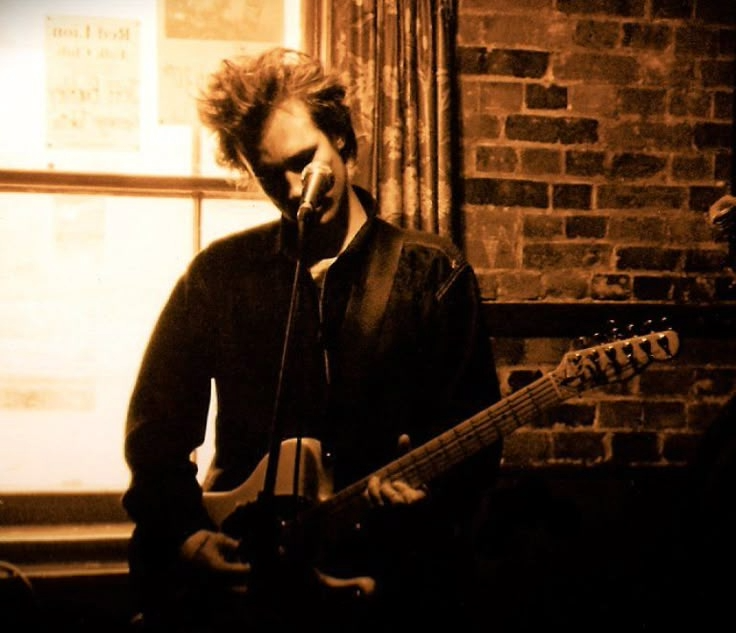
Image Courtesy: Pinterest
Jeff Buckley’s “Lover, You Should’ve Come Over” first came out in 1994 on his only studio album, Grace. More than 30 years later, it became his first song to enter the Billboard Hot 100. A new generation discovered it through emotional TikTok edits, often hearing one dramatic section before knowing anything about Buckley. The full song is almost seven minutes long, which is much longer than most sounds that take off online, but that clearly did not stop it from connecting with people. TikTok gave listeners a place to start. They heard one part, searched for the complete song, and then explored the rest of his music. To Gen Z, Buckley feels less like an artist from the ’90s and more like someone we are discovering right now.
Blood Orange’s “Champagne Coast” had a different kind of comeback. Released in 2011 on Coastal Grooves, the dreamy track started showing up behind photo slideshows, relationship posts, and carefully edited videos. It was used in around 1.1 million TikTok posts and eventually reached No. 16 on the UK charts, more than a decade after its release. You could hear it repeatedly without even knowing the song’s name. That short clip was enough to make people search for the full version and discover more of Blood Orange’s music. It shows how matching the right song with the right online aesthetic can turn an older album track into something that suddenly feels new again.
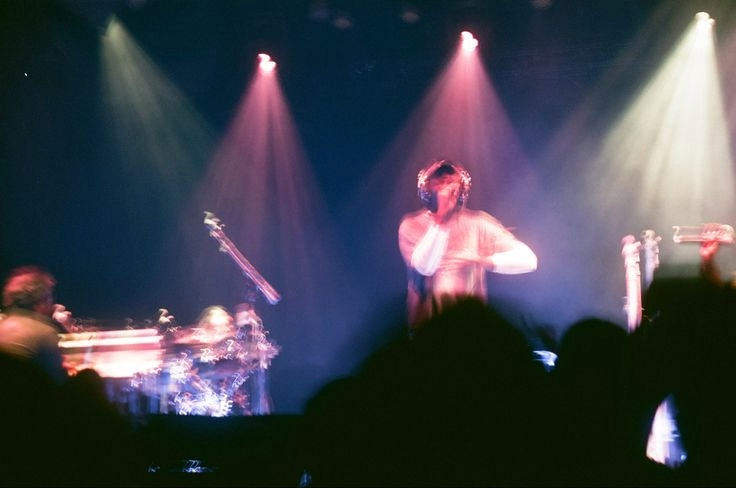
Image Courtesy: Pinterest
Radiohead’s “Let Down,” from the band’s 1997 album OK Computer, had a similar experience. After gaining attention through emotional TikTok videos, the song entered the Billboard Hot 100 in 2025—28 years after it was released. Its lyrics about disappointment, isolation, and feeling overwhelmed still make sense to younger listeners today. Many users may have only known the small section they kept hearing online before realizing that it came from an older Radiohead album. Once again, TikTok gave people a starting point. A short audio encouraged listeners to find the full song, and “Let Down” gained a new life with people who were not around for its original release.
These songs did not return for the same reason. Jeff Buckley pulled people in with raw emotion, Blood Orange matched TikTok’s dreamy visual style, and Radiohead connected with feelings that younger listeners still understand. Even though they sound different and were released in different years, all three found new audiences without being rereleased as new music. Still, hearing a song on TikTok does not automatically turn someone into a real fan. Some users only recognize the trending section before moving on to the next audio, while others save the full song and explore the artist’s catalog. That difference decides whether a song becomes a temporary trend or starts a lasting comeback.
Maybe Gen Z is not bringing old music back at all. Though TikTok and streaming platforms have surely made release dates feel less important. Jeff Buckley, Blood Orange, and Radiohead did not need to release new songs to reach younger listeners; their music only needed another way to be found. For a generation with nearly every era of music one searches away, an old song does not have to make a comeback—it only must be discovered.
Strike Out,
Writer: Maria Toyohama
Editor: Melany Rodriguez
Graphic Designer: Jade Membreno
Tallahassee