
Subscription Service to My Life
My dad keeps DVDs everywhere. In desk drawers, in closet stacks, in neat piles on the floor that sit, mostly unmoved, for years on end. Long gone are the days of the DVD, but sometimes we search through them, my siblings and I, and we find an endless miasma–a time capsule of youth. Ever the pirate, back when DVDs could have titles burned onto them, he has reams upon reams of hastily-labeled movies and music, everything from vague dates to an infamous “BEST OF SHAH RUKH KHAN,” the contents of which are debated in perpetuity. My dad’s life before he was the man I know now is a hazy, half-developed idea. I see a silhouette that looks kind of like mine, watching the same movies as me but living a completely different life. Moving countries, staying up all night working, singing old music that can barely be found today.
The DVDs rot from disuse. But the older I grow, the more kinship I feel for that version of my father, a version more clear to me as I enter the same stage of my life. The image of him that exists so far away has circled around and become my own face, another person in the same awkward stage of life, another figure finding their footing even as the entire landscape has changed. The similarities are startling.
What vignettes of life exist in those movies of his? I wonder what he bought, what he found online in the Internet’s infancy, what he labeled himself with through a permanent marker and a DVD cover. Decades later, what mementos—if any—will they find of me?
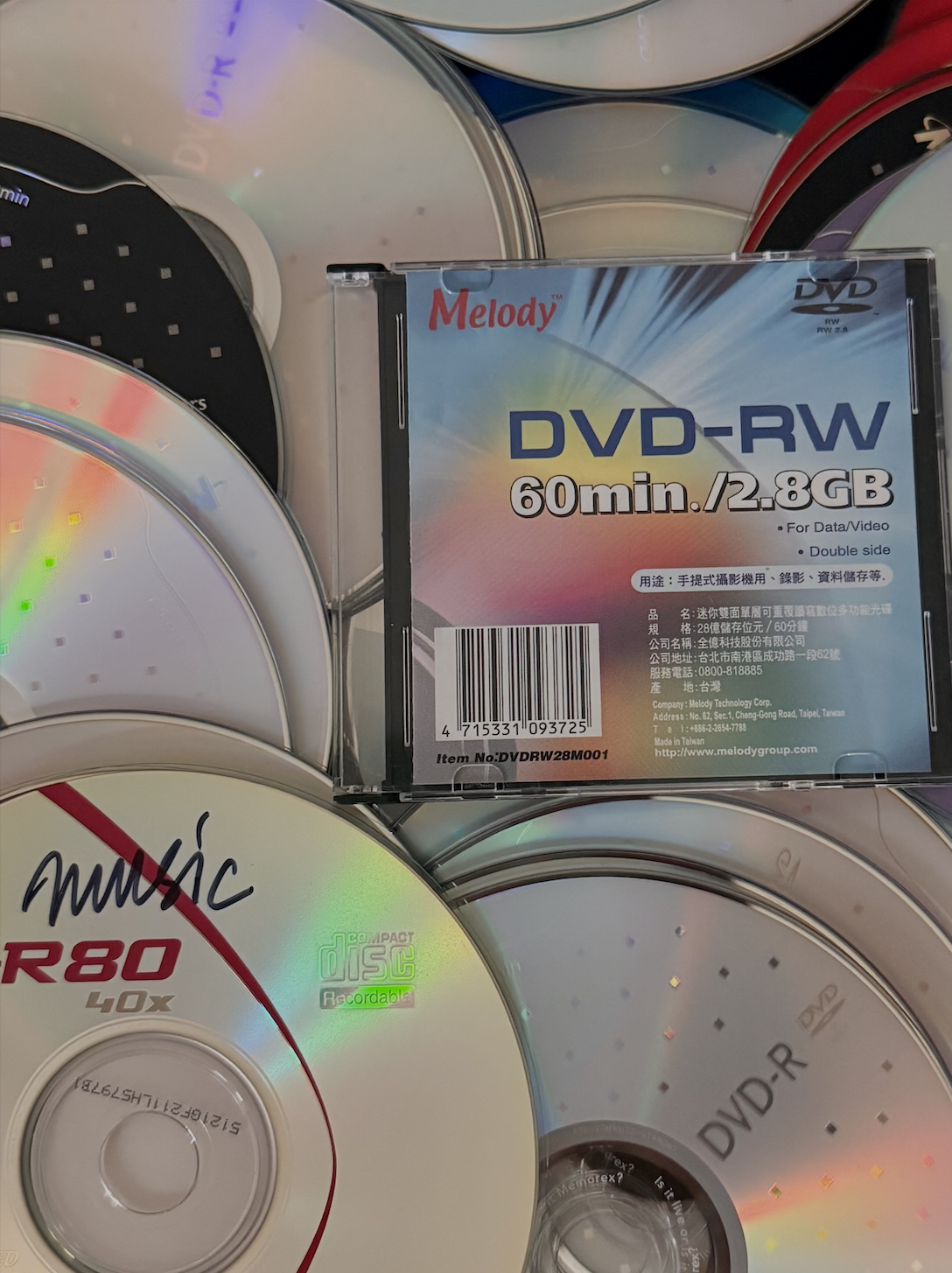
Photo courtesy of Saneyah Kahn
To that end, I have only the streaming service. The day this article was initially written, I was going to sit and watch Pride and Prejudice on HBO Max. As of September 27th, it has been removed from every major streaming service and floats in that purgatory known as the 24-hour rental for $3.99 on Fandango. A straightforward request becomes a labyrinth: this endless, looping structure designed to capture and keep attention as I search for a destination—a 2 hour and 8 minute film otherwise perfectly available—that will never be realized. And I will pay, as I always do, for the chance to participate, even though what I wanted isn’t available at all.
The streaming service itself varies widely. Netflix with ads runs $8.99 a month, while Netflix without ads is now $19.99 to $26.99 a month. HBO Max will take anywhere from $11.99-22.99. Disney+ is a behemoth with so many add-ons, bundles, and bonus clauses I genuinely cannot decipher it. But it’s not just movies—practically everything has switched from the model of physical ownership to a subscription-based model.
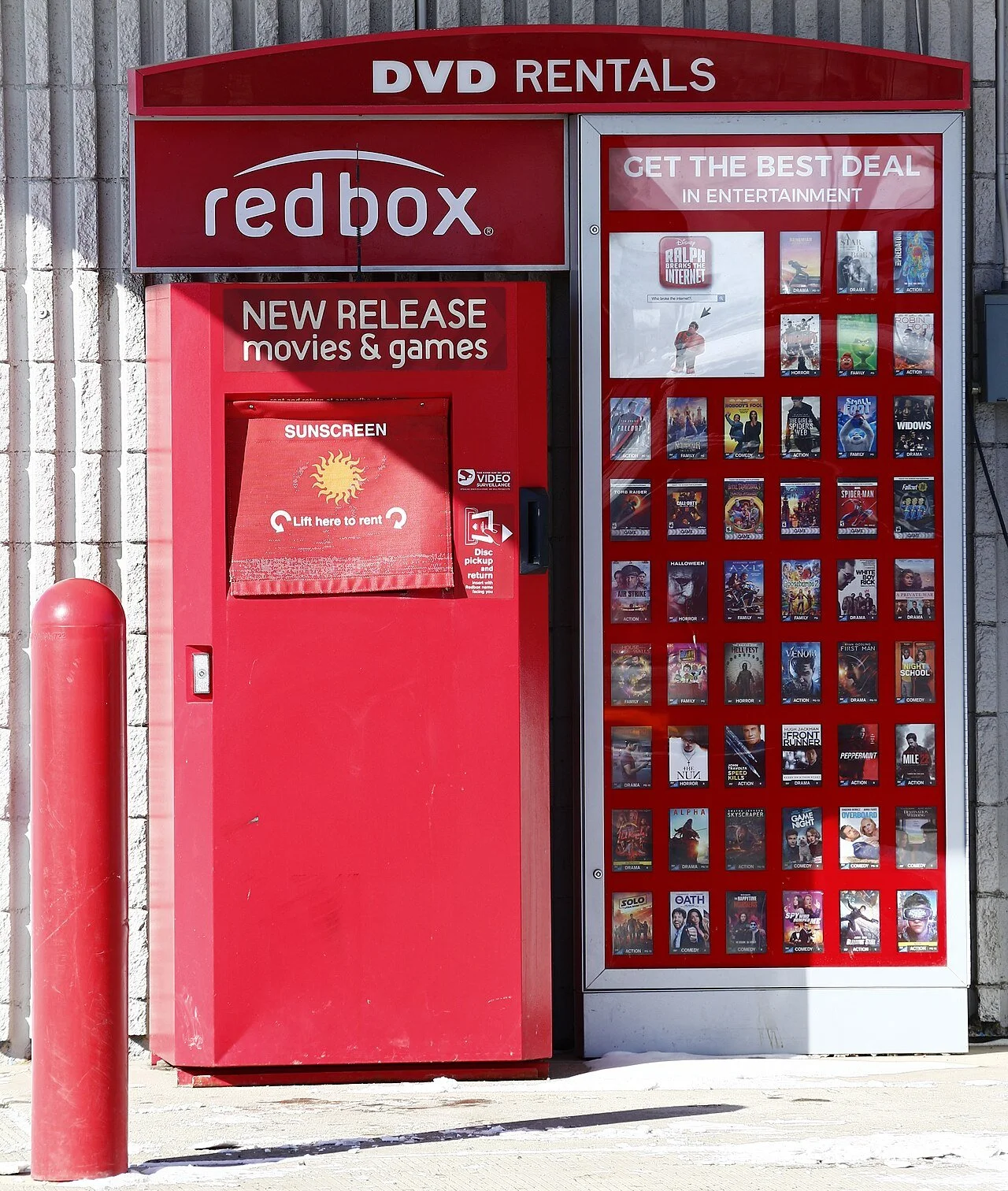
Photo courtesy of Wikimedia Commons
What were once one-time purchases—Photoshop, word processors, note-taking apps—have switched to a subscription-based membership system. Digital storage. Features that are pre-installed into cars. Repair systems for massive agricultural and construction tools. Wellness apps, fitness chains, social media. Even the New York Times 30-second Mini Crossword requires a subscription. The Klarna/Afterpay/Buy-Now-Pay-Later system adds another tiny, unobtrusive transaction that stacks precariously upon all the rest.
I am not a Luddite. I believe technology can be transformative when it is used with purpose. I am willing to pay a nice, single-digit, $9.99 price for access to a service. But then I pay for a dozen services, and I’m down over $100. That's when the consequences become real.
I mainly worry that I am limiting my own access to life. I pay for myself in 30-day increments. For weeks at a time I am a functioning member of society, but what happens if I can’t pay? What happens if I stop? When there is no storage on my computer and no GPS on my car and no music and no movies and no history and no culture; what happens when there is simply nothing at all?
We have gotten used to giving so much in exchange for less and less. It seems like paying less for products and more for time to access the world as it should be. Time to be reminded that everything I have, everything I have worked to surround myself with, does so only on contingency.
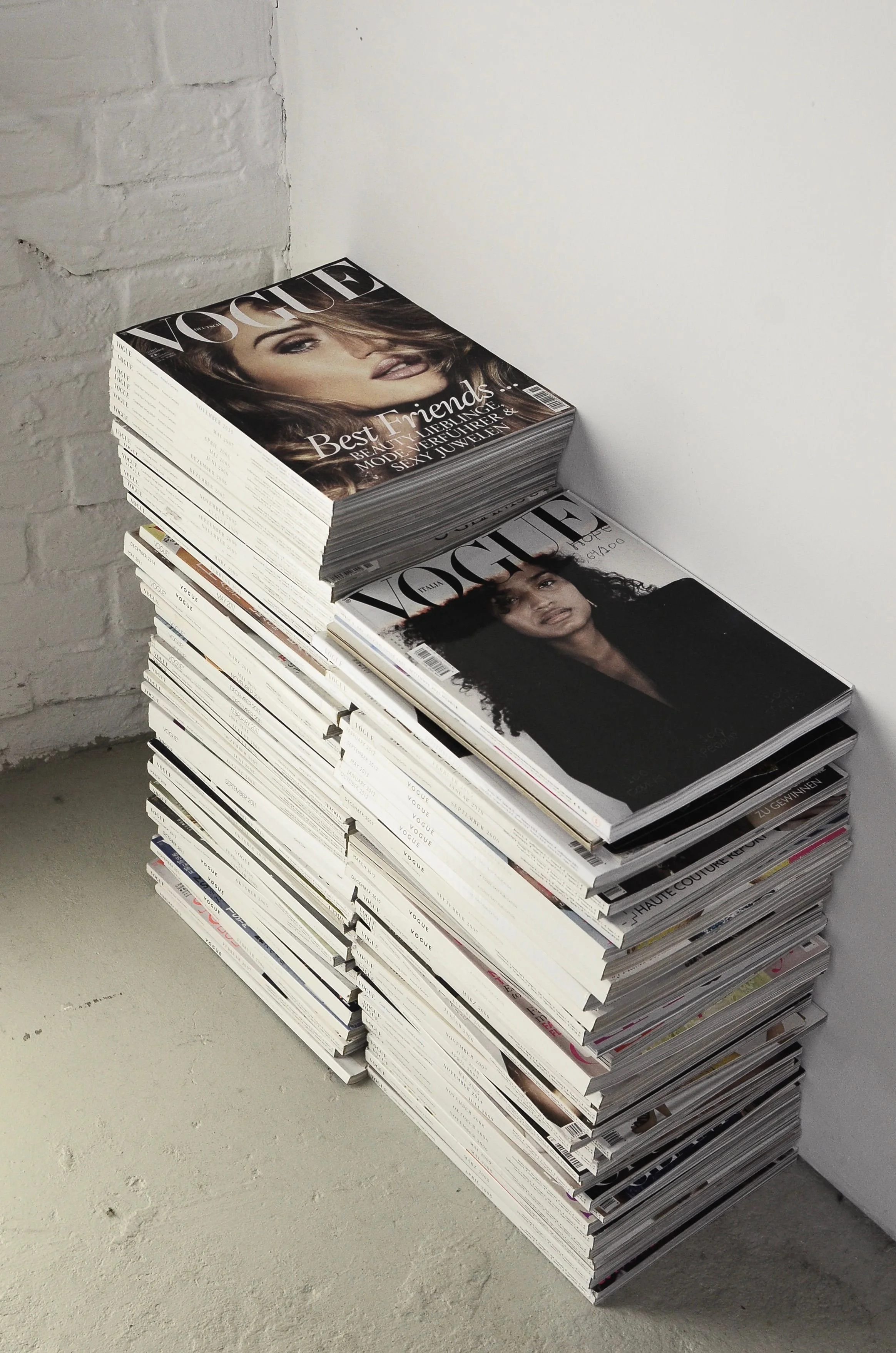
Photo courtesy of Vogue Stock Photos
We have always sought evidence of people in the things they leave behind. The Indus Valley Civilization was discovered through bricks and stoneware. Ancient Mesopotamia was deciphered through stories told by tablets and sculptures. History of people becomes cyclical, a searching for other people the same way we search for ourselves: I was here, and this is who I was, and this is what I loved. The very idea of building a life depends on having something to build with, something that lasts, and not just something we access for a fleeting period of time.
There is a reason my brother and I still look fondly on those old movies. That we reminisce when we see an old Redbox on the side of the road rather than appraise it for the empty container it essentially is. Maybe my approach is too simple: I like keeping physical photos, giving my friends handwritten notes, and seeking out catalogs, magazines, or newspapers that preserve one moment of many. The answer, however, does not always have to appeal to the past.
Nostalgia is an easy solution, propelled by the idea that the way things were is the way we should return. But I believe there is a way to move forward, even if it is hard to parse out. I believe in change, and in newness, and in putting the old ways to rest. I just also believe that whatever we do next should be driven by tangibility, and by connection, and by knowing that we are capable of leaving a proof of life instead of moving through weeks, unaware as those weeks become the months, the years, the fabric of what others will remember us by long after we forget the people we used to be.
Strike out,
Writer: Saneyah Kahn
Editor: Reagan Alapa
Copy Editor: Steffi Sarmiento Mena
Saneyah Khan is a writer for Strike Magazine GNV. She is prone to strong opinions.
