
Rom-Coms are so back
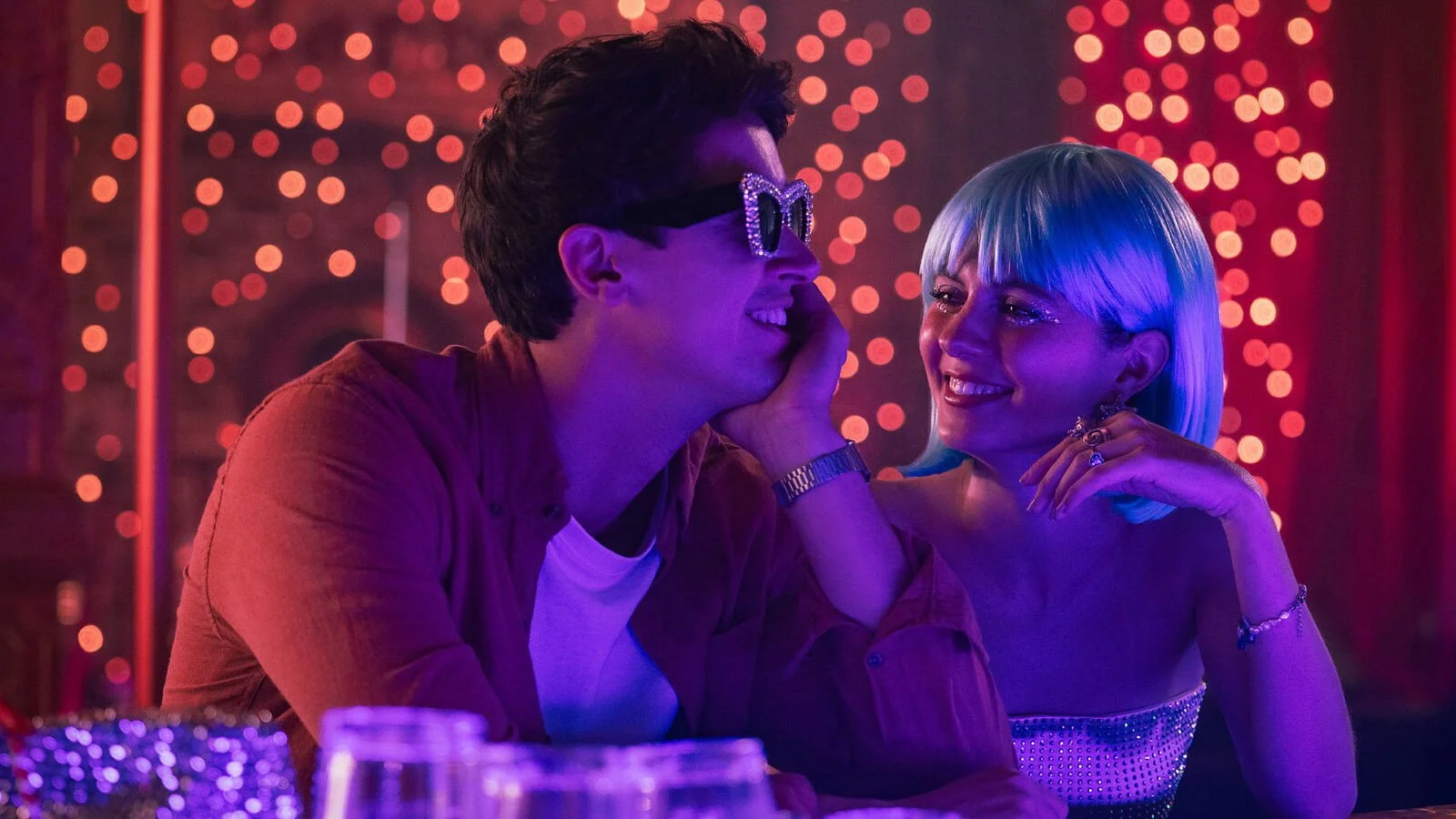
Tom Blyth and Emily Bader for “People We Meet on Vacation” | TMDB
Brett Haley and Emily Henry’s “People We Meet on Vacation” went platinum in my friend group. The casting, color grading, script, all of it. Absolute. Cinema. Emily Bader and Tom Blyth, oh, how you must be cast in another movie together.
Could this be the beginning of the resurgence of rom-coms?
When you think of rom-coms, I’d bet your mind goes to an early 2000s movie like “27 Dresses” or “How to Lose a Guy in 10 Days,” the golden era, if you must. In the 2010s, rom-coms didn’t disappear, but were definitely less prevalent in mainstream media. Romance comedies made in the 2010s were less memorable than their counterpart from the decade prior. They didn't have the same nostalgic feel.
Hollywood’s attention shifted toward franchises, superheroes and high-concept blockbusters, which promised global box office returns. It felt like stories had to be gritty, dark or serious to be taken seriously. Rom-coms, by contrast, were dismissed as predictable or shallow. They were labeled “chick flicks,” a term which minimized both their craft and their audience. The genre’s emotional sincerity was suddenly seen as embarrassing. Liking rom-coms was embarrassing.
However, what disappeared wasn’t the appetite for rom-coms, but the industry’s willingness to invest in them. Mid-budget, character-driven stories were squeezed out, leaving little room for narratives built around emotional connection.
The absence was noticeable, but the pandemic was a leading factor in flipping the switch back. Isolated and stuck at home, people began to rewatch shows and movies to find a source of comfort in hard times. Roms-coms were a source of comfort for many, as they reminded viewers misunderstandings can be resolved, vulnerability is okay and endings can be hopeful without naivety.
Social media has played a crucial role. Platforms like BookTok and streaming algorithms revived interest in romance by making enthusiasm visible and communal. Readers and viewers alike now publicly celebrate the genre’s emotional rollercoaster, reframing romance as something culturally meaningful rather than trivial.
Importantly, modern rom-coms have evolved. They reflect a generation more fluent in emotional boundaries and self-awareness. Characters don’t just fall in love; they confront their fears, timing and patterns of self-sabotage.

Emily Bader and Tom Blyth for “People We Meet on Vacation” | TMDB
“People We Meet on Vacation” is a grand mix for film and book lovers. On the surface, the movie uses the all too familiar genre scaffolding: friends-to-lovers, opposites attract, will-they-won’t-they tension stretched across years. But beneath those tropes is a story deeply attuned to the contemporary, emotional rhythms of Poppy, Alex and the strings pulling them together.
Poppy and Alex are not emotionally naive characters waiting for fate to intervene; they are actively complicit in their own avoidance. Their romance is slowed not by grand external obstacles, but by internal ones. The fear of wanting more. The fear of being the person who asks.
The novel’s cultural reach is further underscored by the excitement surrounding its screen adaptation. Long before any footage or casting details were released, “People We Meet on Vacation” generated sustained buzz online.
The anticipation surrounding the movie speaks to the book’s function as more than a popular romance. It signals a renewed confidence in rom-com storytelling as something worth adapting, investing in and collectively anticipating once more.
“People We Meet on Vacation,” you will forever be that girl.
Strike Out,
McKenna Edwards
Editor: Meghan Bosman
Athens