Skin Care - Self Care or Consumerism?
Throughout the many trends that flicker in and out of the internet’s attention span, skin care has remained a steady online fixation for years. As a topic, skin care stretches so wide that it has managed to incorporate itself within several passing and fading trends, particularly those in the fashion and beauty world. There was Korean skin care, glass skin, the fleets of tweens across the nation flooding the Sephoras to get their paws on skin care products. The “skin care routine” seems to grow more elaborate each year, as shiny new products shuffle in and out of public desire. At this point, skin care feels like something to be expected. If you come across a fashion or beauty haul online, it’s likely that skin care products will be included. Even outside of the neverending labyrinth of topics and trends on social media, skin care is brought up in the real world. “What’s your skin care routine?” is a casual inquiry. Skin care is undoubtedly a part of our culture - but when did it get so popular? When I tried to answer this question, my mind blanked. I couldn’t recall skin care’s point of origin in the cultural timeline. The more I thought about it, society’s skin care obsession seemed like something that never began, but just was.
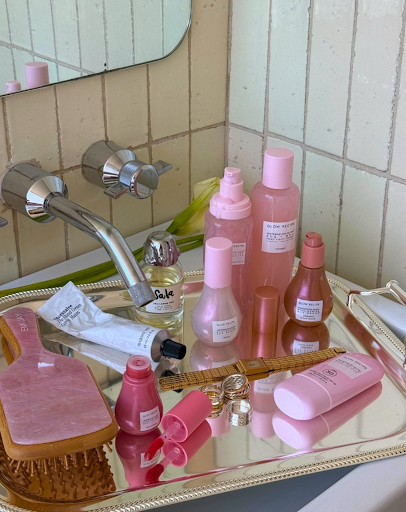
Image Courtesy: Instagram
While it’s hard to pinpoint exactly why and when it became a trend, it is safe to say that skin care, just like the practices of fashion and beauty, dates far back into the history of human culture. According to an article in The Oxford Scientist, the practice of skin care can be traced all the way back to Cleopatra, who bathed in donkey milk to moisturize her skin. “In all cultures, past and present, there is some evidence of treatments being used to protect the skin and improve its appearance,” the article reads. This is precisely what I find fascinating about skin care: how it blurs the line between healthy habits for the sake of health alone, and following trends for the sake of vanity and consumerism.
This line has been blurred throughout skin care’s entire history. Take Victorian-era skin care routines, for example. In an article by Hale Cosmetics about skincare in the Victorian era, women back then often used home made cold creams made from natural ingredients to cleanse their skin. These ingredients included beeswax, almond oil, and rosewater; all harmless components that are still considered healthy for your skin today. However, in keeping with the trends of the time, Victorian women also often used face powders containing lead and arsenic to achieve a pale complexion. Of course, we now know that lead and arsenic are extremely dangerous chemicals and should not be applied to the skin. But before this was common knowledge, these powders were just another seemingly harmless beauty and skin care trend.
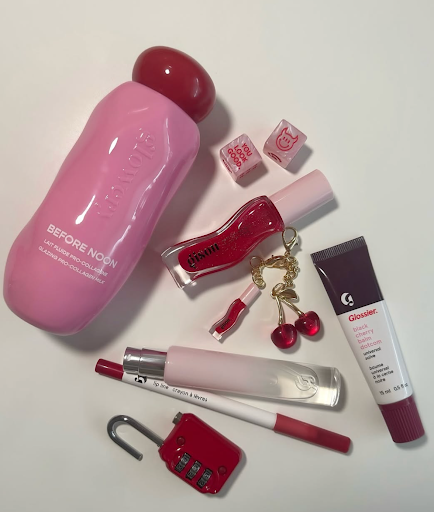
Image Courtesy: Instagram
While current skin care routines are not nearly as extreme as the Victorian era’s, I don’t think it’s unfair to say that similar to the Victorian era, in today’s day and age there is a blend of genuinely healthy skin care practices and viral skin care trends that have more to do with buying a new product than leading a healthy lifestyle. Take the aforementioned tweens who stormed the Sephoras. While it isn’t out of the ordinary for this age group to have a sudden fascination with beauty and skin care, it seemed to me that these preteens’ rampant desire for Drunk Elephant or Glossier products had less to do with wanting healthy skin, and more to do with the allure of owning these coveted products - products they most likely saw on their social media feeds.
This isn’t to blame or judge these preteens - or any age group who take part in skin care trends for that matter. I’ve taken part too. We’re all susceptible to influence. It’s hard to resist the desire to have the new thing. But what I find tricky about skin care, as well as other health related practices such as dieting, is that when they converge with consumerism and trends we are at risk of putting products over our wellbeing. I think it’s important to remind ourselves, especially in the digital age when trends move at a heftier speed than ever before, that your mental and physical wellbeing should never be determined by what kind of product or practice is popular online. While many trends can be harmless and fun, long term health is achieved through healthy habits and mindsets, not products.
Strike Out,
Georgia Witt
Editors: Amia King, Kaya O’Rourke
Saint Augustine
Georgia Witt is a blog writer and poet for Strike Magazine, Saint Augustine. She loves reading, writing, fashion, nature, and collecting CDs. She hopes to work in the publishing or journalism field after college. You can reach her at georgiawitt3000@gmail.com.