
Styling Psychedelia: Inside Tame Impala’s Music Videos
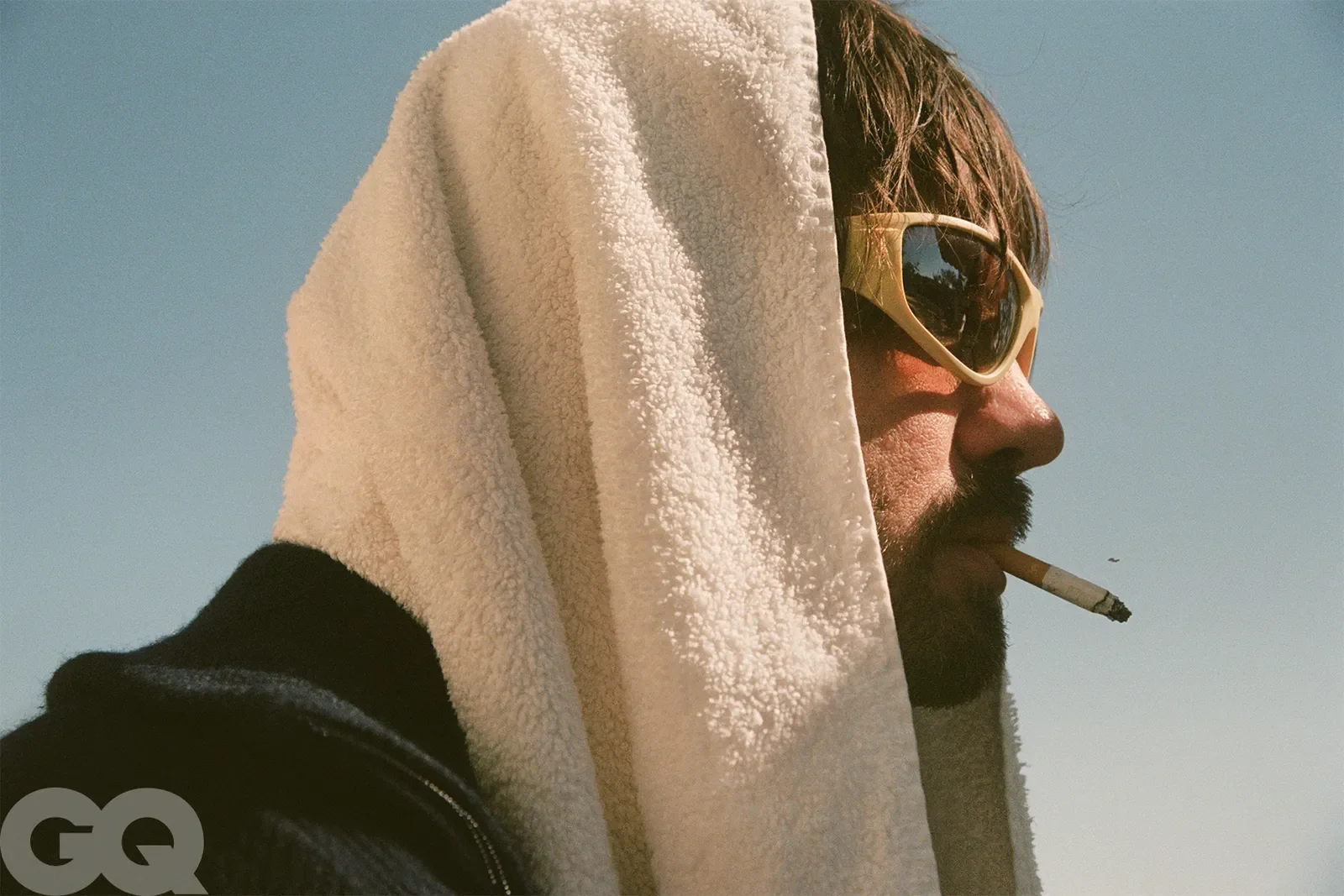
Tame Impala’s music videos aren’t just your typical visual supplement to his songs; rather, they’re exponentially vibrant and surreal, transporting viewers with futuristic elements and experimental measures. A deep dive into how his unique style showcases a new wave of ultramodern fashion, culminating in revolutionary ways through music, art, and creativity. Fashion in the context of his videos is shown through fabric, colors, and unrecognizable silhouettes. More than a costume, the visual language transcribes memories and desires and funnels them into something we can feel beyond our eyes. His sonic landscapes in his videos blur the lines between realistic and unreal elements, symbolically mirroring the concept that clothes can portray both history and hallucinations simultaneously.
“The Less I Know the Better”: The Juvenile Uniform
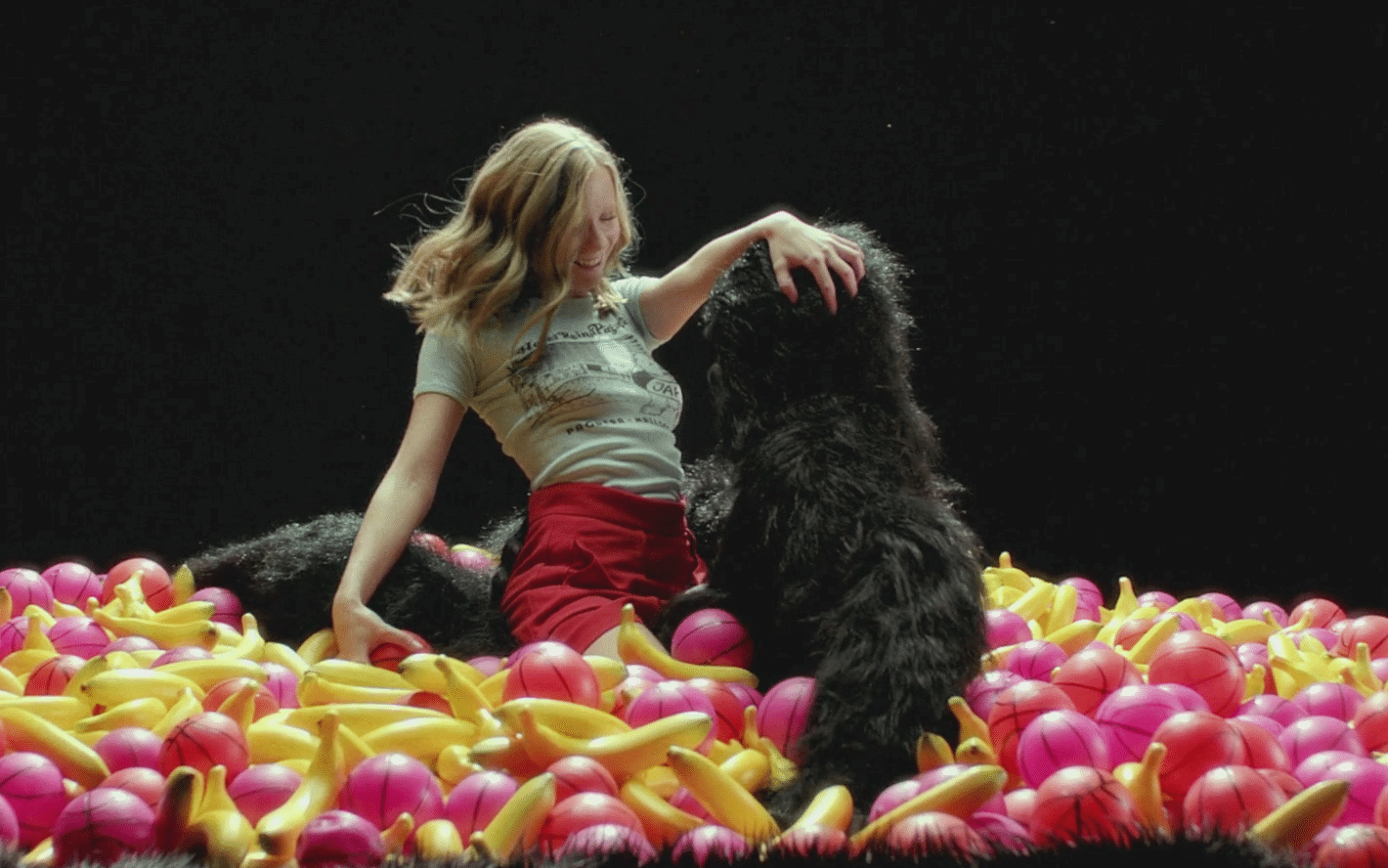
Image Courtesy: VAEFF
In “The Less I Know the Better”, sports attire and cheerleading costumes adorn the silhouettes of many, calling into question a sense of belonging and juvenile hierarchies. A very realistic narrative is interrupted by a gorilla mascot interpreting the notion of forbidden young love, as the uniforms unravel themselves to reveal emblems of heartbreak. Conformity mutates into yearning and the eventual loss of it. The fashion styles in this video act as a vessel of confusion, as familiar youth garments such as athletic wear are pulled into illuminating the oddity of emotional collapse.
“Is It True”: Clothing as Collapse
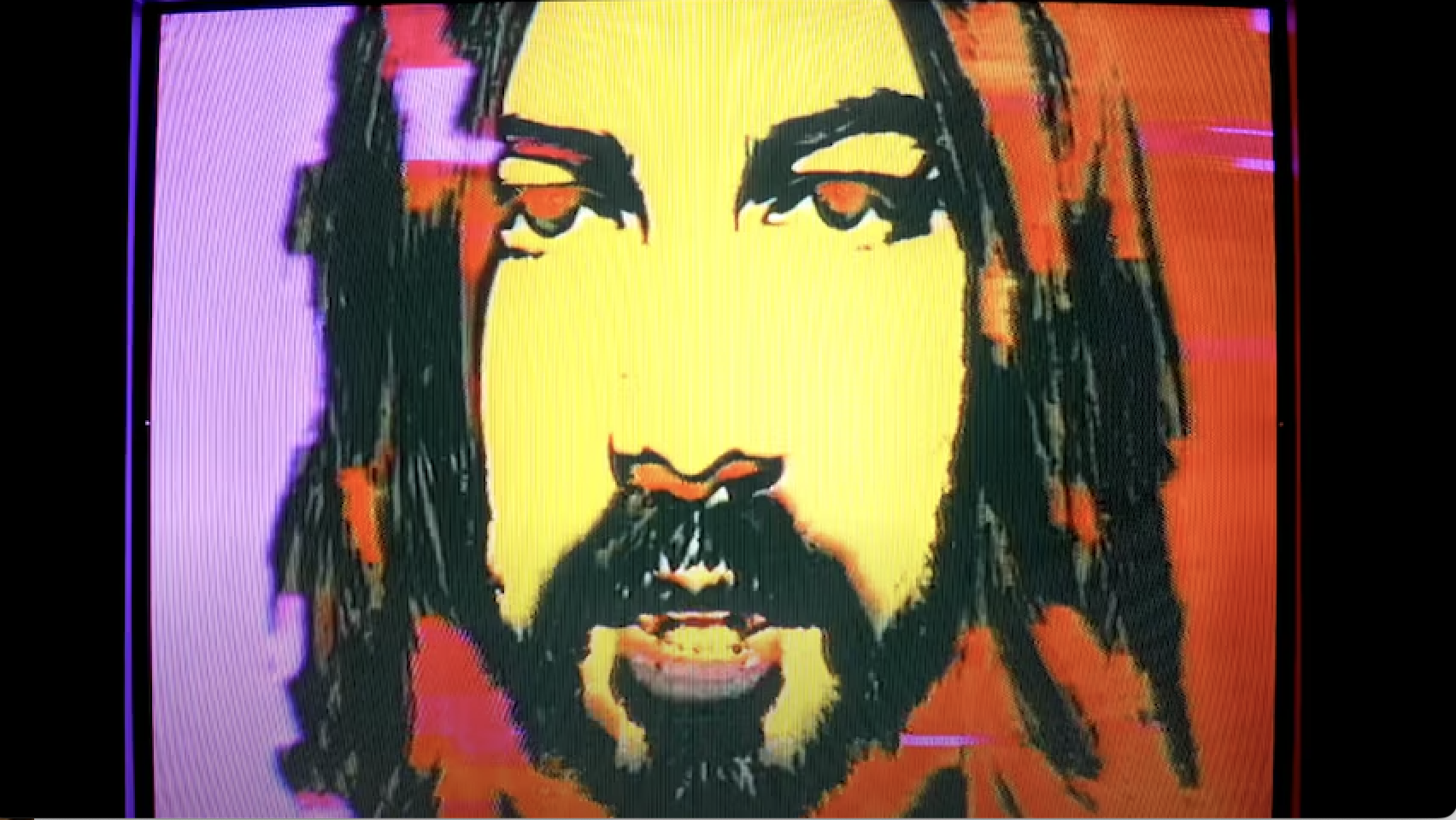
Image Courtesy: ABC News
Time itself is questioned in “Is It True”. As if beaming from another realm, Kevin Parker's retro-inspired tailoring: wide necks, fitting pants, and a disco influence, filters through the blinding neon psychedelics. The apparel turns into a paradox: Is what is incredibly nostalgic and familiar even obtainable again? This combination implies that style and memory travel in cycles and echoes rather than in a straight line. In addition to dressing Parker's physique, the vintage clothes place him in a transitional state where time stands still and decades pass.
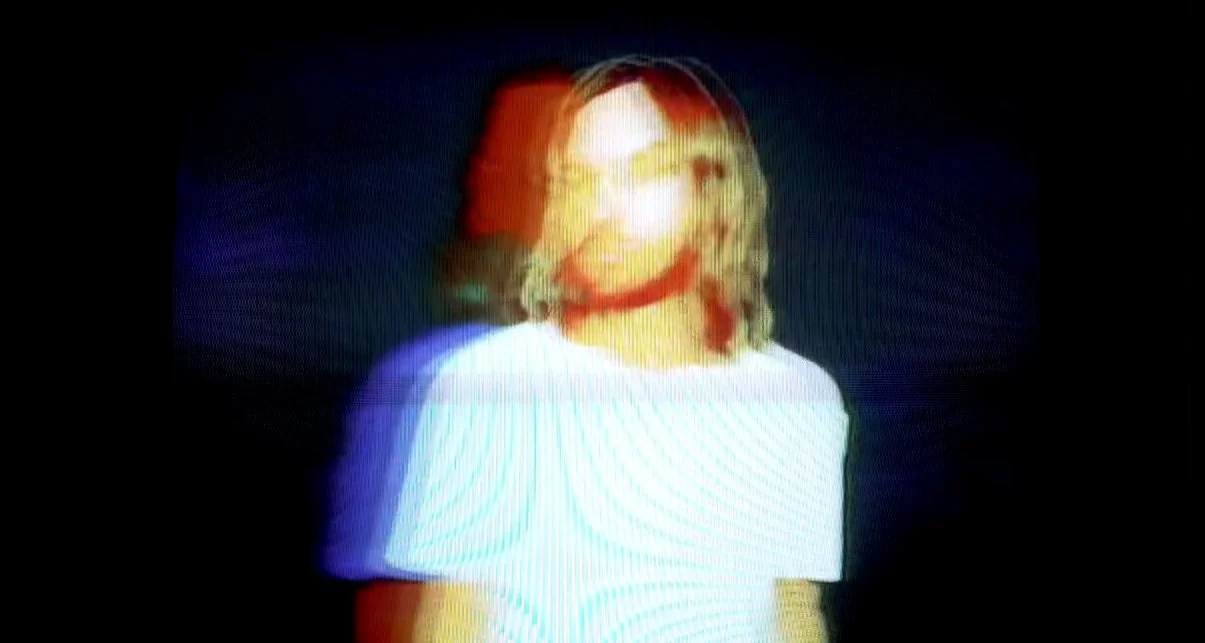
Image Courtesy: Rock Cellar Magazine
“Breathe Deeper”: Fabric as Breath, Lungs Release
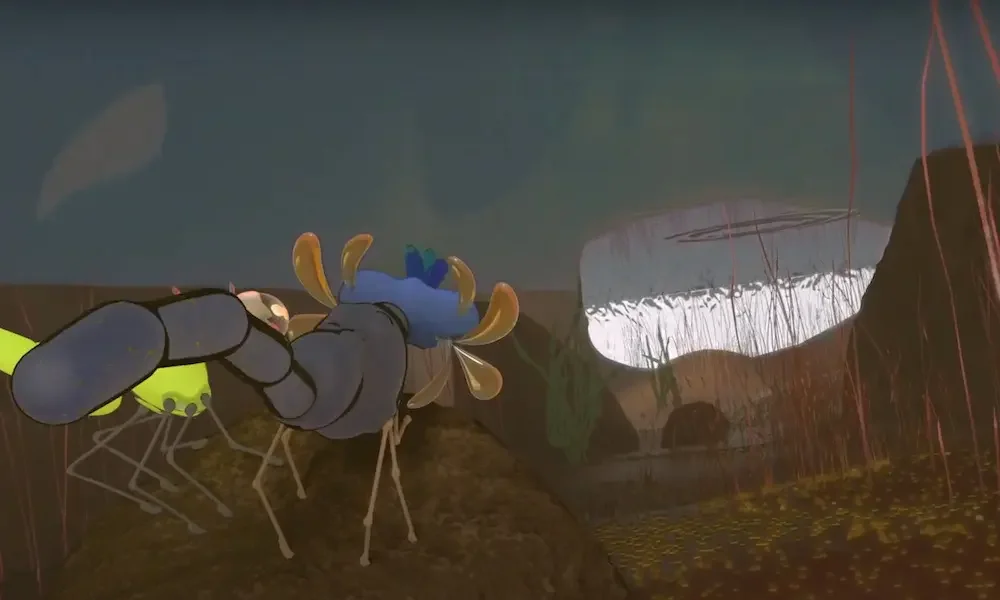
Image Courtesy: uDiscoverMusic
Pure motion is the visuals in “Breathe Deeper”. Vibrant monochromatic tones expand and release in sync with the rhythm of the song, like human lungs filling with air. Fashion breathes and pulsates in this form as the ripples in his fabric and the lyrics mirror each other. Letting go of the ego to become something bigger is the main indirect representation behind the concept of this particular music video.
“Lost in Yesterday”: The Costume of Memory

Image Courtesy: The One Club
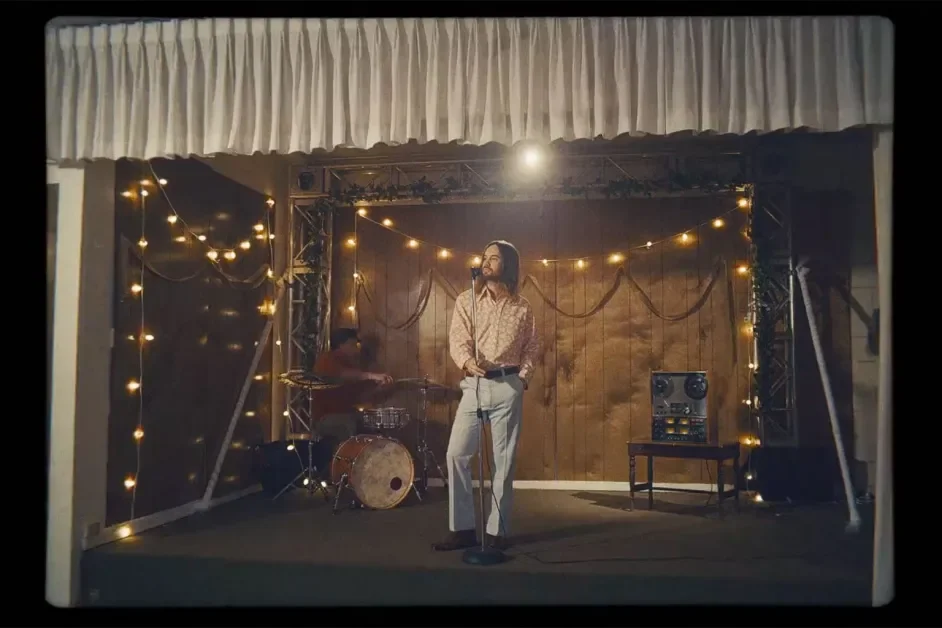
Image Courtesy: Billboard
“Lost in Yesterday” is centered around the authentic wedding style of the 1970s. Pastel suits, velvet jackets, and strong blue tuxedos adorn the wedding guests. The nostalgia of this time period feels claustrophobic and repetitive in this environment. Fashion is a distant memory, always attractive and flawless, but always repeating itself in continuous, periodic cycles. Nostalgia is highlighted as a concept that is beautiful yet oppressive, serving as a reminder that clothing is never a reflection of what’s happening in the present but rather what has happened in the past.
“Mind Mischief”: The Schoolboy
In “Mind Mischief”, the troubles of conformity are highlighted. The innocence and rebellion of youth are showcased visually as the school uniform (blazer, ties, and pants) melt animatedly, and fantasy comes to life. In this case, the uniform represents authority, which is subsequently deposed by desire and imagination. Fashion, which symbolizes both the liberation of fantasy and the constraints of puberty, fades into dreamscapes the moment reality falters.
Clothing as Psychedelic Language
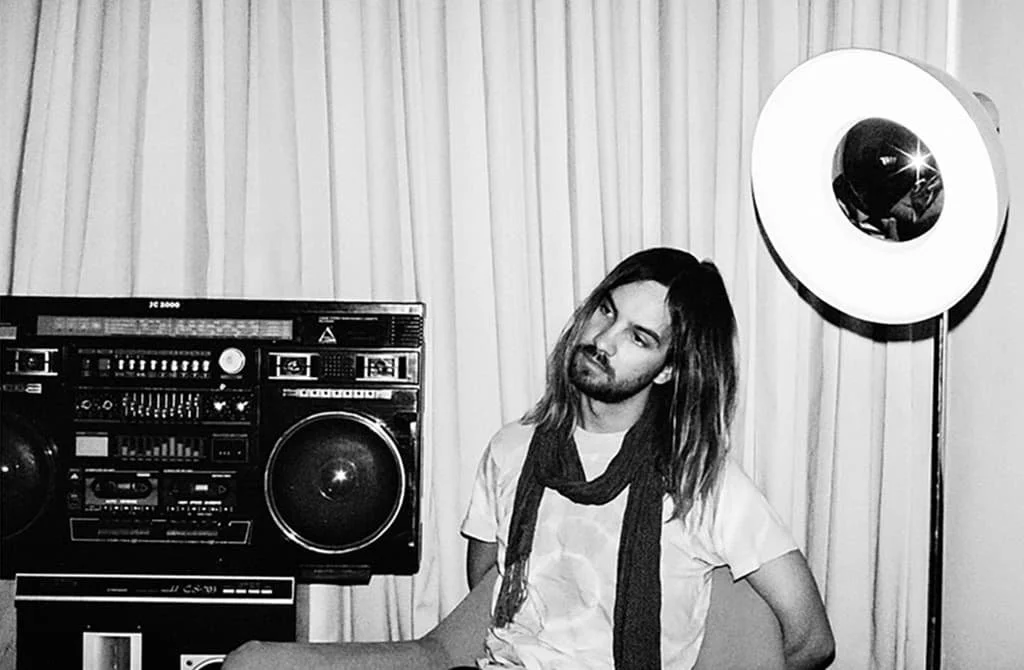
Image Courtesy: The New Curious City
Across these works, Kevin Parker utilizes fashion not as surface-level garments, but as a secure symbol that explains and expands on his lyricism. Costumes and uniforms parallel desire, heartbreak, and the alienating feeling of adolescence. Retro and vintage tailoring splinter time, and rippling fabrics represent the slow-moving breath. Every garment chosen for his videos turns into a metaphor, as it carries meaning beyond the current trend of the era chosen to represent his music.
In Tame Impala’s universe, clothing functions as a psychedelic language—fluid, contradictory, endlessly shifting. His videos show us that fashion is not merely about what we wear, but about how it carries us through time, feelings, and dreams. It’s memory stitched into fabric, rhythm woven into silhouette, consciousness dyed into color.
Through the blurring of the boundaries between fashion, art, and music, Tame Impala presents a transcendent and symbolic vision of style. In this context, clothing is more than just clothing; it’s a portal.
Strike Out,
Writer: Kavya Akkiraju
Editor: Daniela Mendoza
Graphic Designer:
Tallahassee