
The Party's Over (Or Is It?): Skins and Performative Mess

Image Courtesy: Tumblr
Before Euphoria, we had Skins — a British teen show that gained popularity through its unhinged plotlines, rebellious wardrobe, and chaotic party aesthetic. Skins defined a generation. It encapsulated the grunge energy of the late 2000s and early 2010s. The main character of Skins (Gen 2), Effy Stonem, became the poster child for all things indie sleaze. Her bold black smudged eyeliner, ripped tights, and combat boots became iconic staples of the Skins aesthetic. For example, in the Skins Season 3 pilot, “Everyone”, she sports purple fishnets, a grey billowy mini dress, microshorts, with an array of pearl and beaded necklaces. Her makeup is heavy, dramatic, and messy. “Mini skirts, short dresses, comfy t-shirts, and tanks (usually in shades of black and gray) are all staples in Effy’s daytime wardrobe. She usually pairs these basic pieces with edgy accessories such as masculine boots, fishnet tights, and piles of necklaces, for a unique aesthetic” (CollegeFashion). Effy’s signature style balances both feminine and masculine while still keeping things loose and care-free. She is frequently seen wearing thick black combat boots and other grungy items, but softens them up with jewelry and flowy silhouettes. Her hair is almost always down, untamed, and her makeup remains fairly light, except for the dark eye makeup. This signature look is the holy grail of grunge girl fashion. It balances both light and dark, caring and not caring.

Image Courtesy: Pinterest
But Effy is more than a fashion icon — her character’s personality adds to her allure. She is mysterious, manipulative, depressed, promiscuous, and edgy, all wrapped up in a beautiful chaotic mess. Effy represents teen angst and rebellion, not just on the show, but of the era. Her messy, party-worn look became a visual manifesto for the youths of the indie sleaze era. “ …Effy captured hearts as an alluring femme fatale, her nihilistic nature almost felt like an enigma, and she’s just a representation of what many teens feel. It’s her experiences and feelings that allowed many—especially teenage girls—to connect with her. But more than that, her punk/grunge/emo aesthetic also became an inspiration.” (Tatler). Effy and Skins as a whole defined a generation, a generation that rejected perfection and personified their cynicism via fashion.
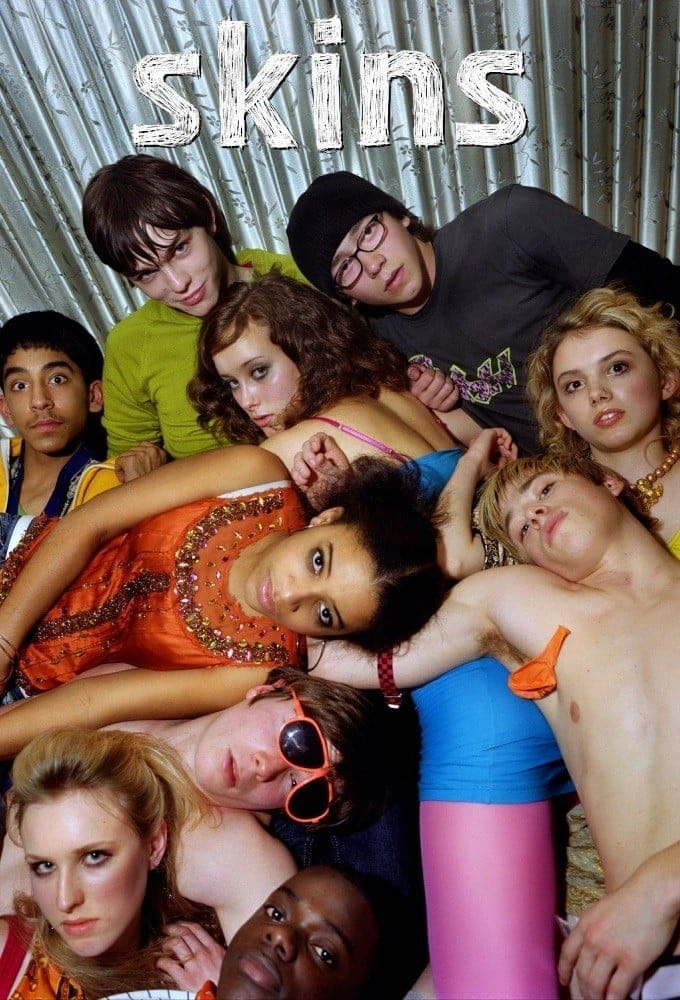
Image Courtesy: Dubdb Fandom
The party aesthetic, since the Great Depression, has been a symbol of rebellion and a coping mechanism. The original indie sleaze era, approximately 2006-2012, began in the indie music scene, around the 2008 recession, “The scene’s opposition to mainstream music and popular culture has political roots in addition to its aesthetic ones…an optimistic reaction full of living in the moment and indulging in even the most hedonistic of pleasures to retain the optimism that was crushed by the economic woes and political strife that defined Obama’s early presidency.” (Medium). The indie sleaze movement represents more than a party lifestyle, but a direct reaction to the harshness of life. It stresses the importance of the self and disregards living for others. It glorifies living for the moment and criticizes societal rules.
Skins is no exception. The aesthetics of the show are a reaction to the repressive environment it is set. The characters are juggling abusive families, neglect, and various mental health struggles — all without support from the people and institutions that are supposed to protect them. For example, in Season 4 Episode 7, aptly titled “Effy”, Effy is released from a mental institution after suffering an episode of psychotic depression. Her therapist, appointed to her after the stay, begins manipulating her for his own sexual desires. This plot line is just one of the series of horrible events the characters navigate through. These aren’t your average teens; they’re battling real-world issues and are constantly failing by any semblance of authority. Side characters like Abigail and the other kids at the neighboring catholic school juxtapose the main cast. They are representative of how society expects them, or wants them, to be. They are meek, obedient, and don’t “party” the same way the main cast does. They wear crisp plaid uniforms, white high socks, and their hair is combed. The main cast is the inverse of this ideal, personality, and aesthetic-wise. Their ripped-up, unpolished fashion is a rejection of these expectations — a silent rebellion that says, “I won’t abide by your rules.”. That raw, anti-establishment energy is what made Skins so relatable to teen audiences, and what made the aesthetic so powerful.
Today, the aesthetic is having a gritty revival. Whether you credit artists like Charli XCX and The DARE for the renaissance — or chalk it up to a cultural fluke — one thing is clear: the party aesthetic is here to stay. Just like Skins channeled rebellion into fashion, today’s version of indie sleaze is reemerging in a time of political tension and cultural exhaustion. Echoing the glittery Euphoria-inspired style of 2018, the eyeliner is smudged darker than ever.
But there’s a noticeable difference between 2007’s indie sleaze fashion and today’s. The difference is in authenticity. What used to be old, thrifted clothes torn up to express yourself is now pre-ripped, pre-packaged, and sold back to us. What used to be an outlet has been rebranded — monetized by Jaded London, DollsKill, and countless others, cashing in on the aesthetic.
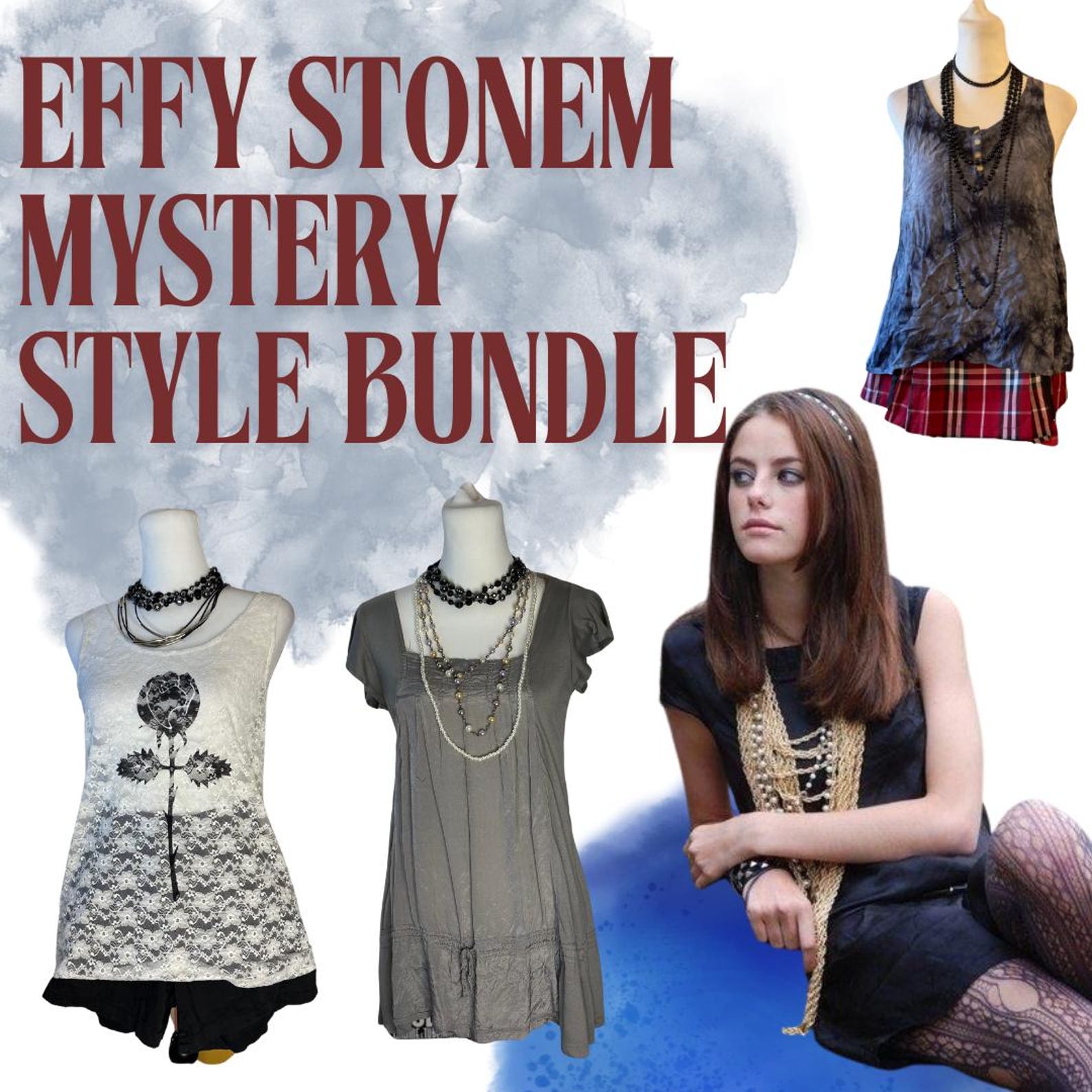
For example, on Etsy, there’s now an “Effy Stonem Mystery Style Bundle” to buy an outfit, for $33.69, of course, that emulates Effy’s style. While it is convenient for consumers, it seems a little contradictory to indie sleaze and the statements associated with the style. So that begs the question: Is the aesthetic’s rebellion gone the minute it becomes self-aware?
Original indie sleaze was defined by accessibility and authenticity, expressing yourself fully, without buffing the rough edges. Now, it's “perfectly” unpolished — the rips are strategic, the chains expensive, and the look is increasingly inaccessible. There are several reasons for this. First, prices are up. Capitalism has sunk its claws into vintage fashion, and thrift stores are becoming more and more expensive. Alternatives like DollsKill and Jaded London are capitalizing on this wave. Jaded London’s “Decade” campaign celebrated its 10th anniversary and took heavy inspiration from the 2007-2012 party aesthetic.
“With a nod to Indie Sleaze, our latest collection, Decade, has been designed with nostalgia and grunge at the forefront. Embrace moody palettes and sultry silhouettes to flaunt an air of unapologetic confidence, mystery, and glamour.”(Jaded London).
The collection featured several staples of the aesthetic: chunky leather boots, ripped up t-shirts, studs, and even a shirt with the word “sleazenation” written across it. While it is helpful to find grunge clothing at the drop of a dime, it kind of defeats the aesthetic’s purpose. The messy look was meant to be anti-capitalist, anti-establishment, and anti-artifice. It is meant to be a form of expression unfiltered by concerns of image, status, and class. Now, it’s been turned into a uniform, a curated chaos. The aesthetic, like many others, has become competitive and image-driven.
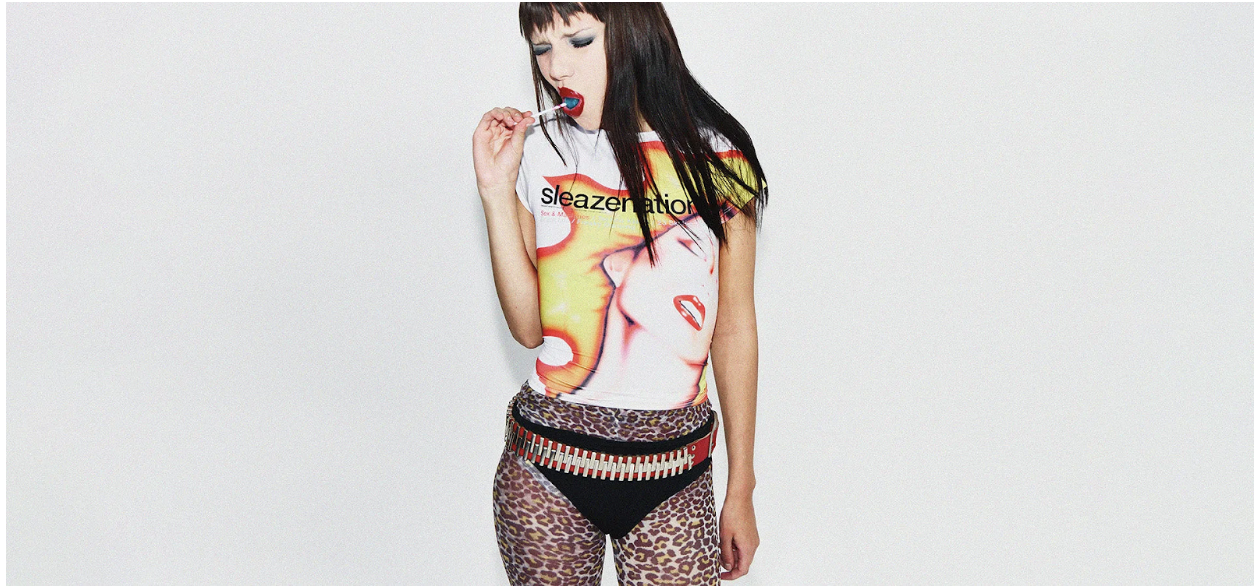
Image Courtesy: Jaded London
So, what now?
I grew up scrolling through grainy blue photos of Effy on Tumblr, and I still find inspiration in that aesthetic today. Having seen that era’s rise and fall, I understand its appeal and message: a raw, messy rebellion. I think it’s possible to stay true to that spirit without relying on fast fashion or sacrificing authenticity. It comes down to intent. Dig into your family’s old clothes, DIY, and avoid fast fashion if possible. I suggest using clothes you hardly wear anymore and repurposing them. I love a good ripped-up, open back on a t-shirt, fishnet tights, and safety pins. One of the things that made Effy’s style so great and unique is how worn her clothing is. Her shirts are 5 sizes too big, covered in holes, and cut unevenly. But it gives the clothing a certain edge that fast fashion just can’t replicate. If you want to achieve an Effy Stonem look, examine how you style your clothes, not what clothes you’re wearing. Styling old clothes with excessive chunky jewelry, funky eye makeup, and fishnets elevates a boring outfit into a trendy indie sleaze look. Not to mention, a mysterious glare and combat boots never hurt. Using fashion to express ourselves and avoiding pre-packaged replicas transforms any look into an individualized statement. When fashion becomes personal, not performative — that’s when it becomes real again. That’s indie sleaze.
Strike Out,
Writer: Ava Arenado
Editor: Salette Cambra
Graphic Designer:
Tallahassee