The Chonga Heat
Rooted in South Florida, the “chonga” culture emerged amongst young, working-class Cuban-American women as a visible expression of their Latina identities. Chonga girls strut the regional streets in bold makeup, alternating between skimpy and masculine clothes and slicked-back ponytails, evincing an air of gender-nonconforming confidence often denoted as “tacky” and “obnoxious” within and outside the Latino community. But, like many subcultures born from resistance, what began as a pejorative phrase to surface-level styling evolved into a reclamation of sexual liberation and the rejection of misogynistic fashion standards.
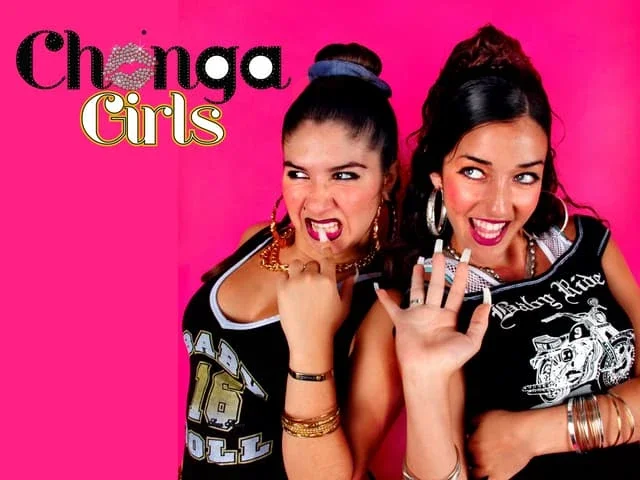
The Chonga Girls | Aesthetics Wiki
The chonga image originated decades ago within the insular Cuban-American community in Miami neighborhoods like Hialeah and Little Havana. However, the aesthetic made numerous rounds on social media in 2007 when Miami teenagers Mimi Davila and Laura Di Lorenzo uploaded the iconic YouTube video “Chongalicious,” a direct parody of Fergie’s “Fergilicious.” The video spread widely on MySpace, launching the girls’ entertainment careers as “The Chonga Girls.” The viral phenomenon led to many Hispanic girls in Miami adopting a distinctive style characterized by low-rise baggy jeans, fitted tanks or basketball jerseys, oversized hoop earrings, glossy lips and triple the amount of gold bangles. musical figure, La Goony Chonga, is actively sustaining the culture, aggrandizing her “chongivity” through her video series, Chongafied.
Despite the burgeoning popularity of the chonga aesthetic in Dade-County, many chonga girls were frequently referred to as chonga in an insulting way, especially in the late 2000s, when the fashion was shifting toward a more preppy and glamorous lifestyle. The refusal of the chonga style proliferated into rampant stereotypes across digital spaces and the real world, wrongly labeling chongas as “arrogant”, “reffy” and “cheap” for their excessive ornamentation. Much to nobody’s surprise, these stereotypes stem from racially-charged, classist thoughts of discomforted outsiders and older, conservative Latinos. It was a constant tiff between admiration from the younger Latino crowd and mockery from everyone else.

La Goony Chonga | Instagram
Chongas’ retaliation against assimilated whiteness in their community can be regarded as, in scholar and educator Jillian Hernandez’s words, a “class burn.” In Cuban culture, traditionalist values are the threshold in the community. They generalize how Cuban women are expected to perform a narrow idea of what womanhood is: feminine, modest and domestic—a code of ethics that aligns with Euro-American standards. While the trad-wife movement is still up for hot debate, many young Latinas are defying these traditional roles to reclaim a maximalist narrative that celebrates color and confidence. Now, social media is re-tapping into the Y2K and McBling fashion, prompting a new generation of girls—both Hispanic and Non-Hispanic—to usher in new interpretations of the chonga style with elevated and individualized elements.
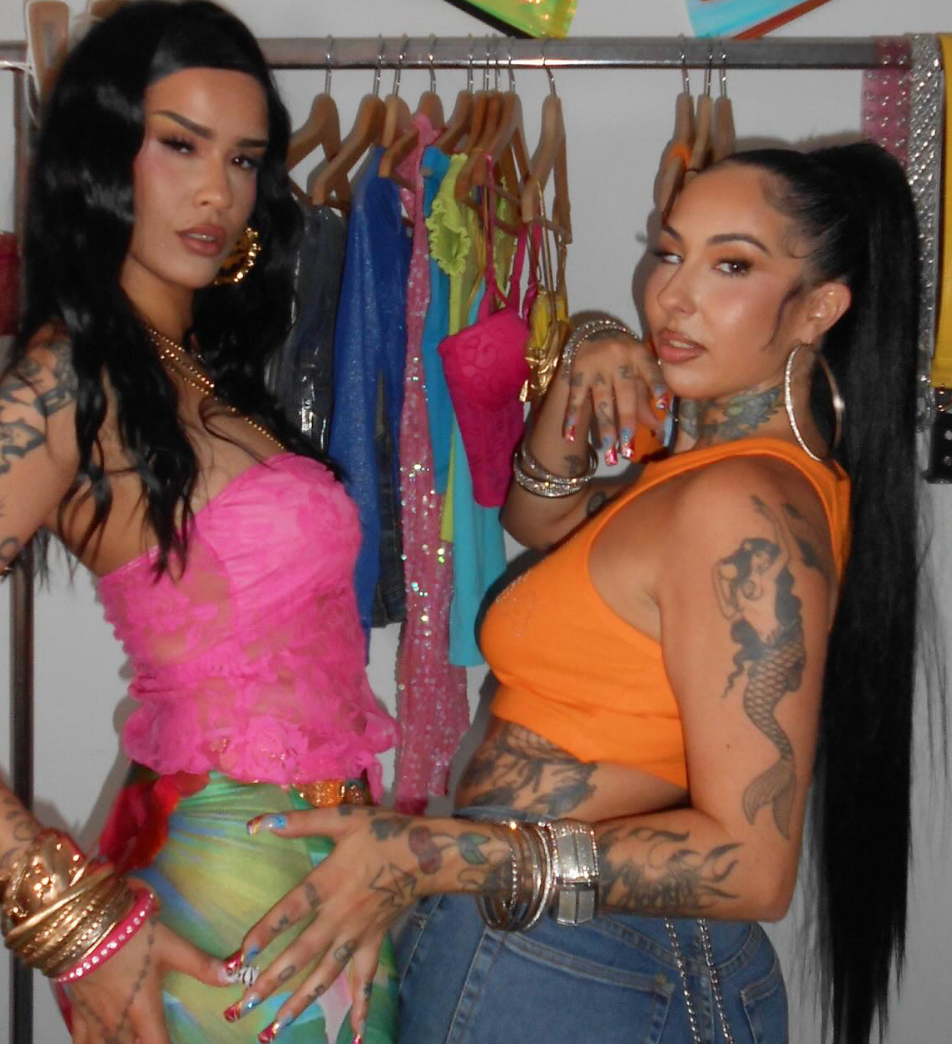
La Zowi and La Goony Chonga | Instagram
The explosion of the chonga aesthetic is reigniting the unapologetic sphere of daring working-class Latinas. Culturally innovating, chongas continue to embrace their sexual excess, empowering themselves and those who are just learning the artistic sensibilities. To embrace the chongivity framework is to claim space in a culture that frequently overlooks generations of resilient young women who are redefining beauty on their own standards—who find strength in their roots and are unafraid to stand out
Strike Out,
Linette Garcia
Miami
Linette Garcia is a senior at Florida International University, majoring in Psychology and minoring in Public Relations, Advertising, and Communications. Linette's work explores the intersection of fashion and pop culture trends, examining their profound impact on our daily lives. Her writing has appeared in Strike Magazine's Print Issue 08. When she is not writing, she enjoys reading literary fiction and listening to hard techno.